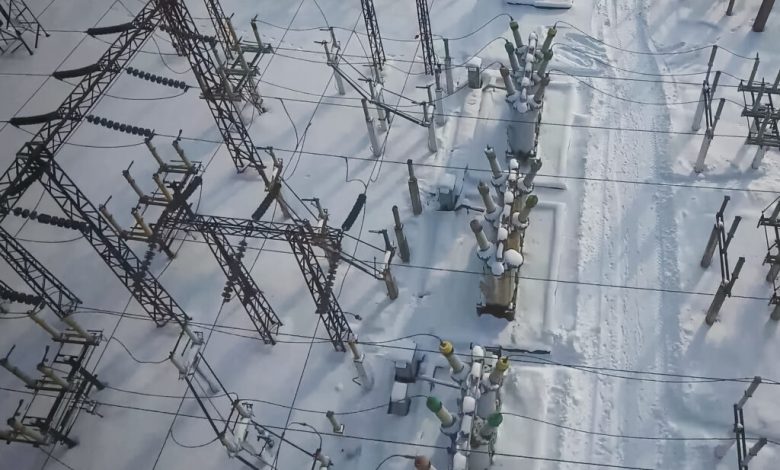
Iowa lawmakers are considering legislation aimed at addressing peak energy needs and costs. (Photo by iStock/Getty Images Plus)
A House subcommittee voted Tuesday to advance legislation aimed at collecting energy during non-peak usage times to help meet energy demand.
House Study Bill 630 would allow for the operation of customer-based power plants and storage facilities in the state, with the purpose of managing and optimizing energy usage.
Iowa utility companies MidAmerican Energy and Alliant Energy opposed the bill and argued it would be more costly for ratepayers.
The bill defines a customer-based power plant as a system that aggregates, manages and optimizes energy resources and operates as a single entity for energy supply, demand response and other services.
These systems are sometimes referred to as virtual power plants, which could be something like a customer-owned system that, for example, kicks on an additional cooling system during non-peak hours so the customer can avoid paying for electricity during peak hours.
The other system outlined in the bill, a customer-based storage company, is defined as a company that provides power to a customer through an energy storage system but is not considered a utility. These companies would be able to purchase power from the grid during non-peak usage hours, store that energy and then sell it back into the grid during peak demand.
A company in Texas called Base Power, has gained traction with this model by implementing large batteries at customer houses that serve as home energy back-ups during outages, but also lower electricity rates for customers by pulling energy off the grid during non-peak hours and selling it back into the grid when there is higher demand.
Bob Rafferty with Iowa Business for Clean Energy said the implementation of these practices help ensure “ratepayers get the best option.” Rafferty’s organization suggested the language in the bill, which he said would help to address the eight-to-10 days in the summer where electricity demand spikes.
These peak demand days are also a concern for utility companies, several of which have proposed to build gas “peaker” plants that will operate less than 10% of the year to meet critical energy demand.
Iowa Business for Clean Energy commissioned a study to examine the difference in cost between gas peaker plants and customer-based power solutions.
Rafferty provided data from the study, which is set to release soon, to lawmakers. It showed the overall cost of peaker plants per kilowatt of energy is more than double what it would cost to offer incentives for ratepayers to reduce energy load during peak hours. The data is based on rates from a virtual power plant system used in Colorado.
He said the bill does not solve energy demand issues, but should be part of the solution.
“We need more gas peaker plants,” Rafferty said. “This should be part of the mix to reduce risks for regulators and to actually add increased benefits for ratepayers.”
Ted Stopulos, speaking on behalf of Alliant Energy Corporation, said the utility was concerned that the bill would authorize “parallel utilities.”
“This bill seemingly would allow certain customers to be served by this new entity during certain hours,” Stopulos said. “During these hours, other customers would still be responsible for the existing cost of infrastructure that’s needed to serve them.”
Arick Sears, with MidAmerican Energy, said the utility was similarly worried about this issue and also believed that the bill “is only going to result in increased costs for Iowans.”
Sears said the utilities and Rafferty agree that there is a need to address energy capacity in the state.
“We certainly want to be part of that conversation, but have to definitely point out this bill would be a bad bill for Iowans,” Sears said.
He said while the customer-based storage companies would be able to sell energy during “cheap hours” the bill “does nothing to actually change (MidAmerican’s) cost of service.”
“They’re able to take away the revenue associated with those hours, but everyone else still has to make that up because we still have to build a system that can serve that demand,” Sears said.
Lawmakers on the subcommittee voted unanimously to advance the bill from subcommittee.
Rep. Kenan Judge, D-Waukee, said everyday cost pressure is one of the key issues he hears about from constituents. Lowering utility costs, he said, is “one way” lawmakers can help their constituents.
“I think it’s exciting what we have before us, but we need to embrace it,” Judge said. “And I also challenge utilities here, both of them, that they should be coming to us with this new technology.”
Rep. Hans Wilz, R-Ottumwa, said the bill might not be ready for “prime time” but he said the conversation “needs to be had.”
SUPPORT: YOU MAKE OUR WORK POSSIBLE


