Man in Australia dies of rare, rabies-like disease


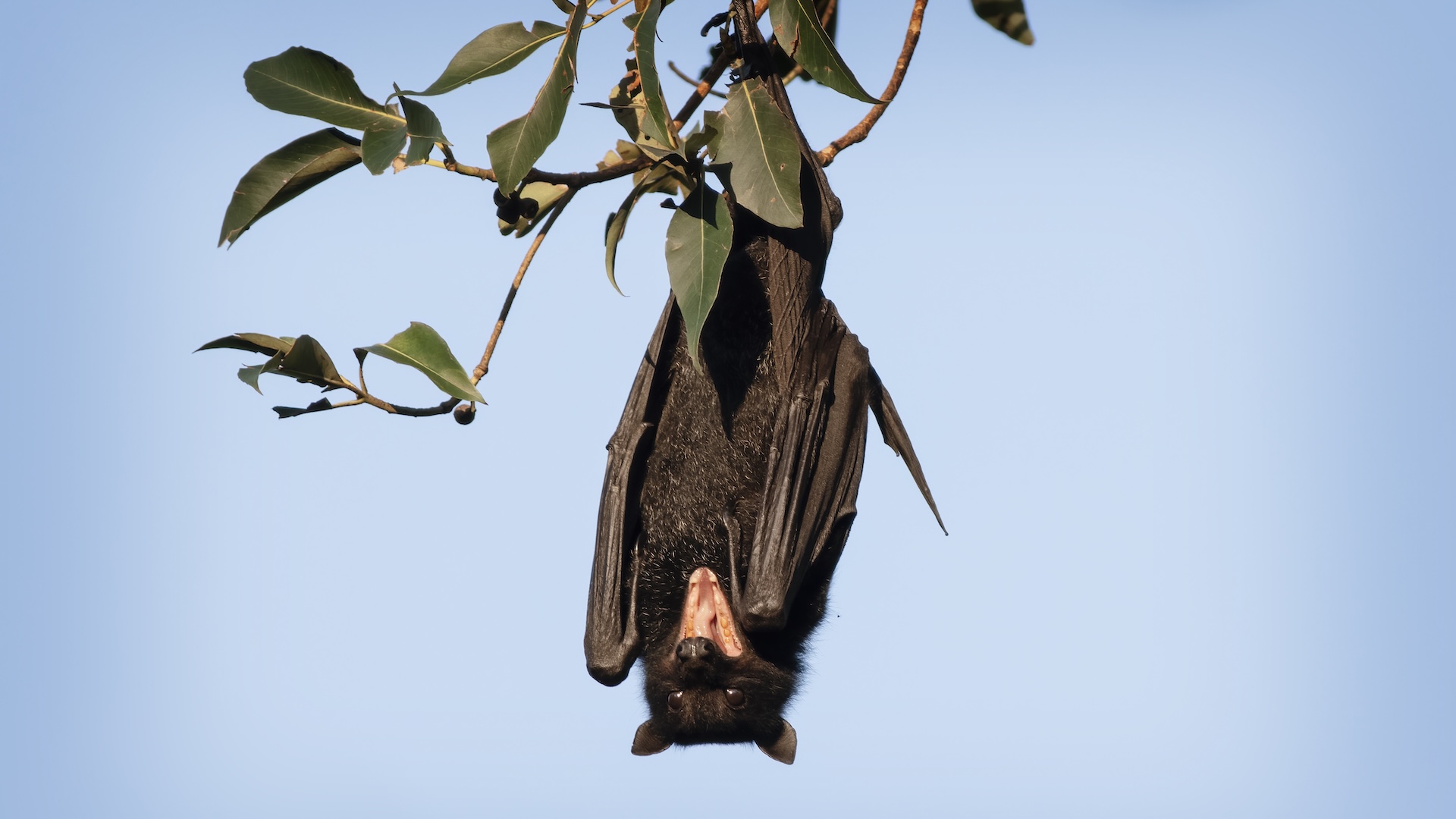
A man in New South Wales (NSW) caught the first known case of the state of Australian Lyssavirus (ABLV), an infection like a rage that cannot be treated once the symptoms appear. It was the fourth human case of the infection never documented.
The man, who was in the fifties and northern South Wales, was in critical condition and was treated in a hospital on July 2, when Nsw Health published a statement About his case. The next day, the health service announced that the man died.
“We express our sincere condolences to the family and men’s friends for their tragic loss,” said a spokesperson for the NSW Health Australian.
Like the rage virus, Ablv belongs to a kind of virus called Lyssavirus. “All Lyssavirus Species have the potential to cause rabies in people, but the rabies virus is by far the most common cause, ” US Centers for Disease Control and Prevention Notes. After exposure, but before the symptoms of the installation, ABLV can be treated in the same way as rage – namely with rapid wound care and the administration of antibodies and vaccines.
Compared to rabies, ABLV infections are considered very rare. Since the virus was Identified for the first time in 1996Only four cases of human infection – including the recent in New South Wales – have been documented in Australia, and none have occurred elsewhere.
ABLV is transmitted from living bats to humans, generally through bites or stripes of the animal. In the case of the man, he was “bitten by a bat several months ago and had received treatment after the injury”. Keira Glasgowsaid a director of health protection at NSW Health, in the press release. The declaration did not specify the exact nature of the treatments provided.
In relation: In an “extremely rare” case, the Michigan resident died from rabies after receiving a transplanted kidney bearing the virus
“A more in -depth investigation is underway to understand if other exhibitions or factors have played a role in his illness,” added Glasgow.
In Australia, direct evidence of ABLV have been found in flying foxes and insect -eating microbbles. But NSW Health warned that any bat could potentially transport the germ.
The public is advised to avoid touching or manipulating bats. “Only people who have been vaccinated against rabies and who are trained in manipulation of bats should never manage bats or flying foxes,” warned the department.
In general, if a bat bites or ray a person, it should take these measures: wash the wound with soap within 15 minutes, apply an antiseptic that kills viruses and consult immediate medical care, advises the ministry. Antibodies against rabies and a vaccine against rabies would then be given, which can prevent rabies and others Lyssavirus-The diseases linked if the symptoms have not yet emerged.
Once the symptoms of AbBLV have settled, “unfortunately, there is no effective treatment,” said Glasgow.
The first symptoms of the abbrator infection resemble those of rabies and include pseudo-Grippal symptoms of headache, fever and fatigue. The infection then progresses quickly to affect the central nervous system, triggering paralysis, delirium, convulsions and death, generally within weeks of the appearance of symptoms.
Infections with rage and ablust have “shown great variability in the time it takes for symptoms to appear after exposure to an infected animal (from several days to several years)”, noted NSW Health.
This article is for information only and is not supposed to offer medical advice.


