Students abuse disability accommodations for easier tests, experts reveal


NEWYou can now listen to Fox News articles!
Reports this week reveal that students across the United States, including up to 40 percent of Stanford University students, are pretending to have a disability in order to get special accommodations, as more time spent on exams prompts opposition from education experts.
Recent data reveals, according to The Atlanticthat at schools like Brown and Harvard, more than 20 percent of undergraduates are now registered as disabled. In Amherst, that figure is as high as 34 percent. But teachers caution that this is not an increase in physical disabilities. Instead, it’s a wave of students receiving “questionable” diagnoses for disabilities like ADHD, anxiety and dyslexia, which come with coveted perks: extra time for exams and better on-campus housing.
“Of course she didn’t have a disability,” said a Stanford University student. wrote in the Sunday Times in an article suggesting that 40% of Stanford students identify as “disabled.”
“She knew it. I knew it. But she understood early on what most Stanford students end up learning: The Office for Accessible Education will give students single rooms, extra time on tests, and even exemptions from academic requirements if they qualify as ‘disabled.’
DO YOU HAVE A SCOOP ON CAMPUS? SEND US A TIP HERE
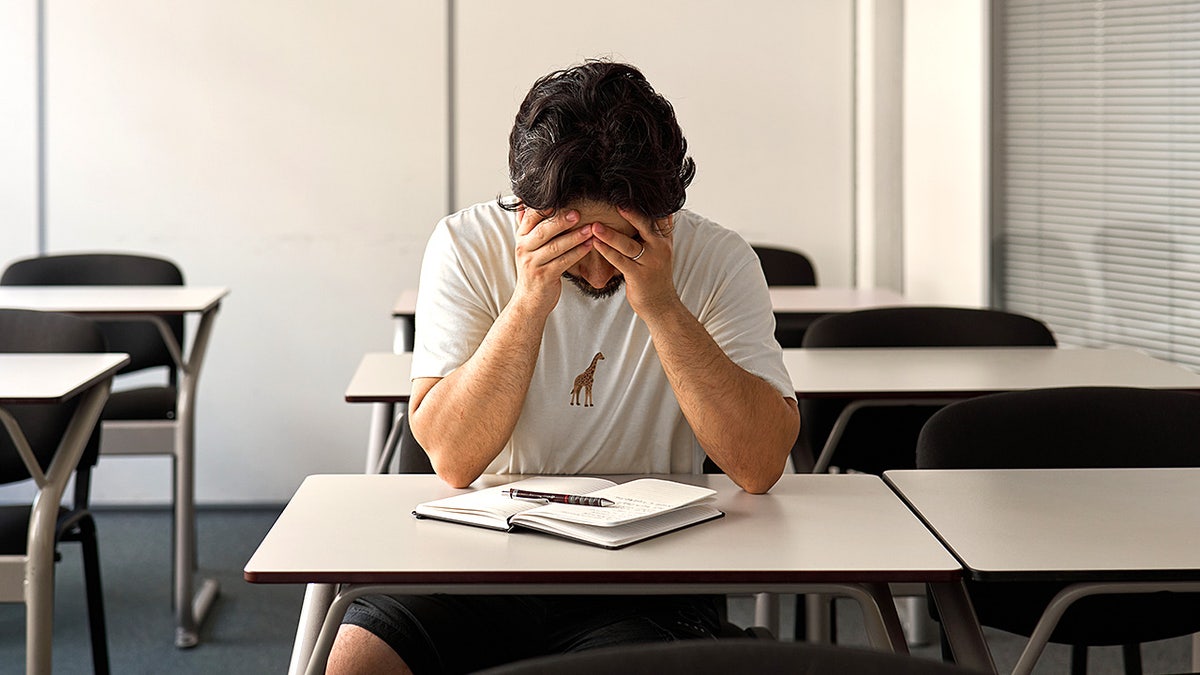
A young man sits at a classroom desk, covering his face with his hands as he appears stressed and overwhelmed during class. (Canart7/iStock)
Fox News Digital spoke with several education experts who said the systems in place at America’s colleges are being abused and that students with real disabilities will be most affected.
“Students with real disabilities — like mine — are being passed over in favor of those who, due to insufficient preparation in high school or for other reasons, have sought to make things as easy as possible for themselves in the usually rigorous college environment,” Sarah Parshall Perry, vice president and counsel at Defending Education, told Fox News Digital.
“The fact that we are seeing an increase in the number of students with ‘disabilities’ is proof that the younger generation is ill-prepared for life in the real world.”
SUBSCRIBE TO THE CAMPUS RADICALS NEWSLETTER
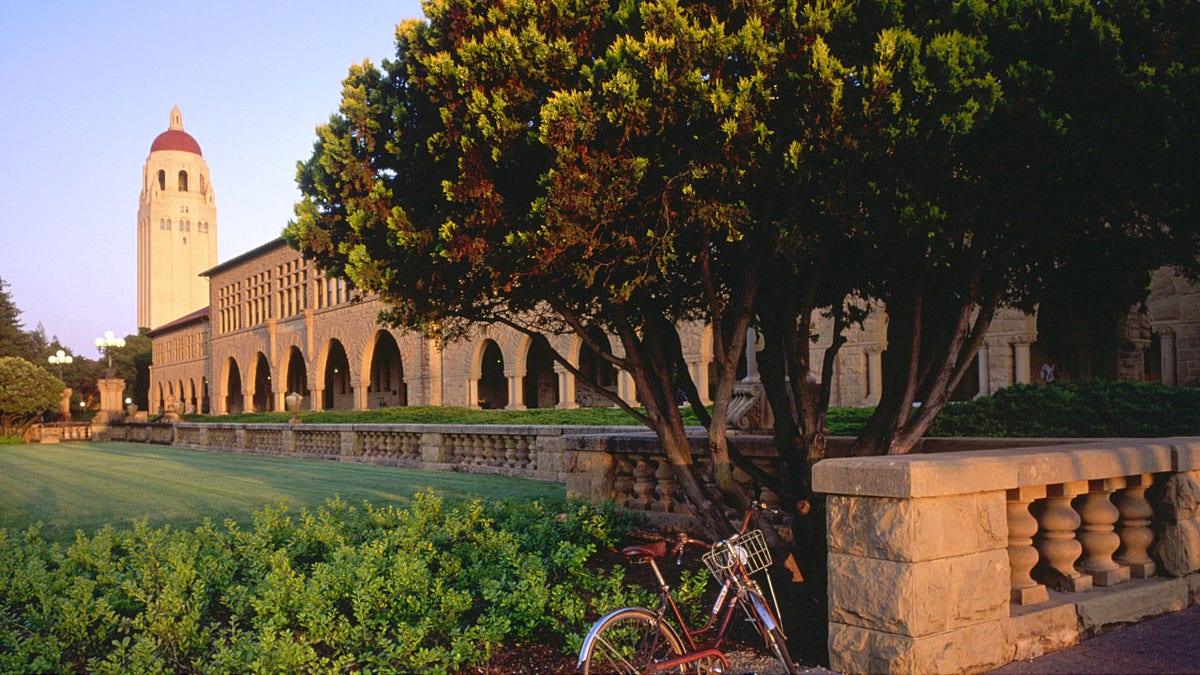
Stanford, CA: Stanford University Campus. (David Butow/Corbis via Getty Images)
Erika Sanzi, senior director of communications for Defending Education, told Fox News Digital that this story “reflects our perverse incentive structure that encourages students to claim ID labels with special accommodations, even when they don’t have an actual disability.”
The “game” of the system does not stop with medical claims. The Sunday Times also reported a trend of students citing “religious dietary restrictions” opting out of Stanford’s mandatory $7,944-a-year meal plan.
“Reasonable accommodations rightly exist to ensure equal opportunity for all students,” Zachary Marschall, Ph.D, a University of Kentucky professor and editor-in-chief of Campus Reform, told Fox News Digital.
“However, being uncomfortable is not a disability, and it is unreasonable to provide single dorm or easier testing conditions. This trend is symptomatic of Gen Z’s toxic entitlement to feel comfortable, which higher education enables by accommodating students’ self-centered expectations.”
Fox News Digital has reached out to Brown and Harvard universities for comment.
In a statement to Fox News Digital, Stanford University said recent press investigations “have prompted us to take a closer look at our federal reporting practices.”
CLICK HERE TO DOWNLOAD THE FOX NEWS APP
“We have determined that our previous practice did not accurately reflect the number of students who actually receive accommodations, and we will correct this in future IPEDS reports,” the statement said. “Previously reported numbers (38% for 2023) reflected students who simply registered with the Office of Accessible Education (OAE) in a given year rather than students who received academic accommodations.


