Ancient sharks once swam in this landlocked state


Arkansas is hundreds of miles from the Gulf of Mexico, but it is home to countless sharks. However, they do not swim in any body of water. Many fossilized remains of the predator are embedded in the Fayetteville Shale, a geologic formation about 350 million years old located in the northwest corner of the state. Because a shark’s cartilaginous skeleton breaks down so quickly, they usually only leave teeth behind when they die. But the examples embedded in the Fayetteville Shale are different. Instead of only featuring their biters, this geology contains extremely rare three-dimensional skeletal impressions.
“The fossils provide insight into shark anatomy unprecedented at this time in the world,” Cal Poly Humboldt paleontologist Allison Bronson said in a recent academic profile.
The situation is so unique that the region has earned an appropriate nickname: Sharkansas. Paleontologists have long wondered how these remarkable preservations formed. According to a study published by Humboldt’s team in the journal Geobiosit has everything to do with the conditions that prevailed on the seabed hundreds of millions of years ago.
Bronson and his colleagues reached these conclusions after using a range of technologies to examine both preserved shark skeletons and the rocks themselves. These included high-resolution CT scans, as well as X-ray diffraction and fluorescence scanning procedures. They discovered a barely visible chemical composition on the specimens: at the time of their death, their marine habitat contained very low levels of oxygen as well as high acidity. This combination would have significantly slowed bacterial degradation, giving the cartilage the time it needs to fossilize.
The combination of low oxygen and high acid also explains why there are so few bony fish in the same rock formations. Despite their predominance at the time, their skeletons would have eroded too quickly to be preserved. The same goes for shark teeth.
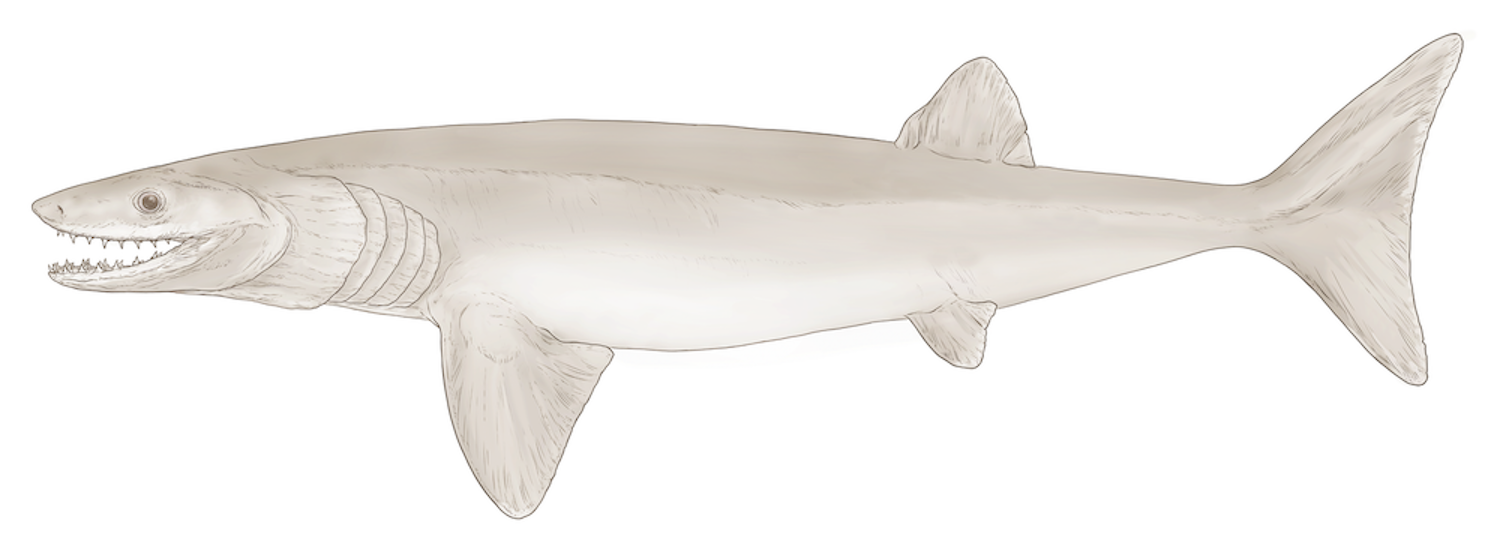
Sharkansas contains some of the most complete Paleozoic shark skeletons in the world, including Ozarcus mapesae, Cosmoselachus mehlingiAnd Carcharopsis Wortheni. The latter is a recently discovered species that looks more like a current barracuda than a shark. Thanks to the unique preservation of the Fayetteville Shale, paleontologists will be better able to trace the relationships between the two species over millions of years. In the meantime, understanding the ocean chemistry that facilitates such delicate fossilizations will help other researchers identify similar areas around the world that might contain even more sharks to study.

The best new PopSci 2025 releases


