https://www.profitableratecpm.com/f4ffsdxe?key=39b1ebce72f3758345b2155c98e6709c
Get the daily Popular Science newsletter💡
Breakthroughs, discoveries and DIY tips sent six days a week.
Results of a new camera trap study in Southeast Asia reveal a wealth of hidden biodiversity nestled in the Annamites mountain range. This largely unexplored wildlife hotspot has forest that stretches 1,100 kilometers across the countries of Laos, Vietnam and Cambodia.
The survey took place during the year 2025 and led to the discovery of many enchanting and rare species. The built-in cameras captured many of the unique behaviors and preferred habitats of endangered animals, while also providing conservationists with crucial data on key threats to the region’s many species. It was led by nature conservation charity Fauna & Flora and its local and global partners.
“The Annamites mountain range – sometimes called the ‘Amazon of Asia’ – is teeming with a multitude of incredible creatures, each playing a vital role in maintaining forest ecosystems vital to the health of our planet,” Gareth Goldthorpe, Asia-Pacific Senior Technical Advisor, Wildlife, said in a statement. “This camera trap data allows us to discover some of the rarest species in the Annamites, while better understanding their behavior, preferred topography and interactions with human settlements.”
Take a look at nine of the investigation’s exciting findings below. (Click to enlarge images in full screen.)
Asian Elephant
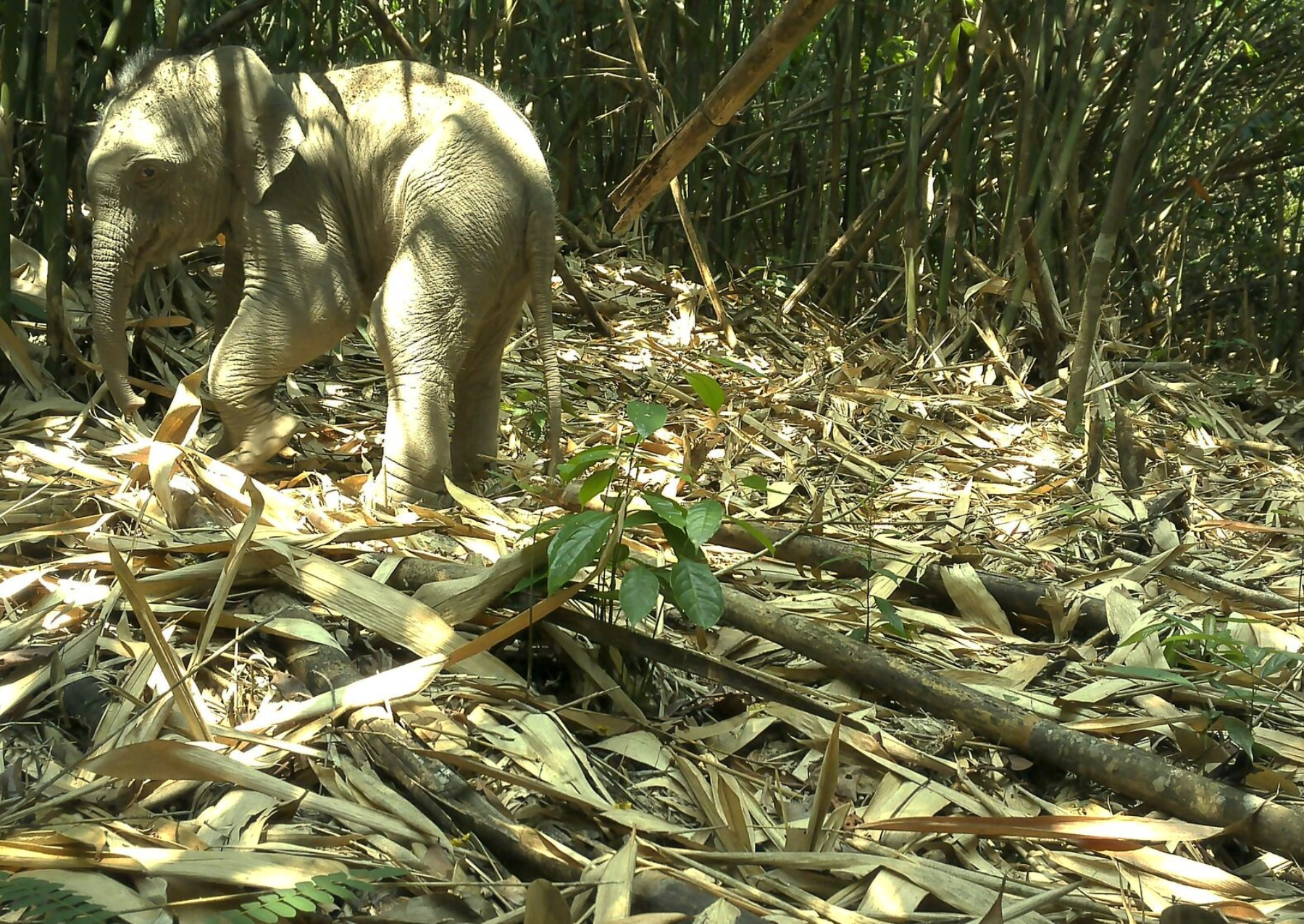
Although they are the smallest species of elephant, Asian elephants (Elephas maximus ) need space to move around. Forest fragmentation is arguably their greatest threat, increasing their exposure to poaching and human-elephant conflict. To ensure the long-term survival of the species, it is essential to protect and connect remaining forest landscapes.Image: © Fauna & Flora. Sun Bear
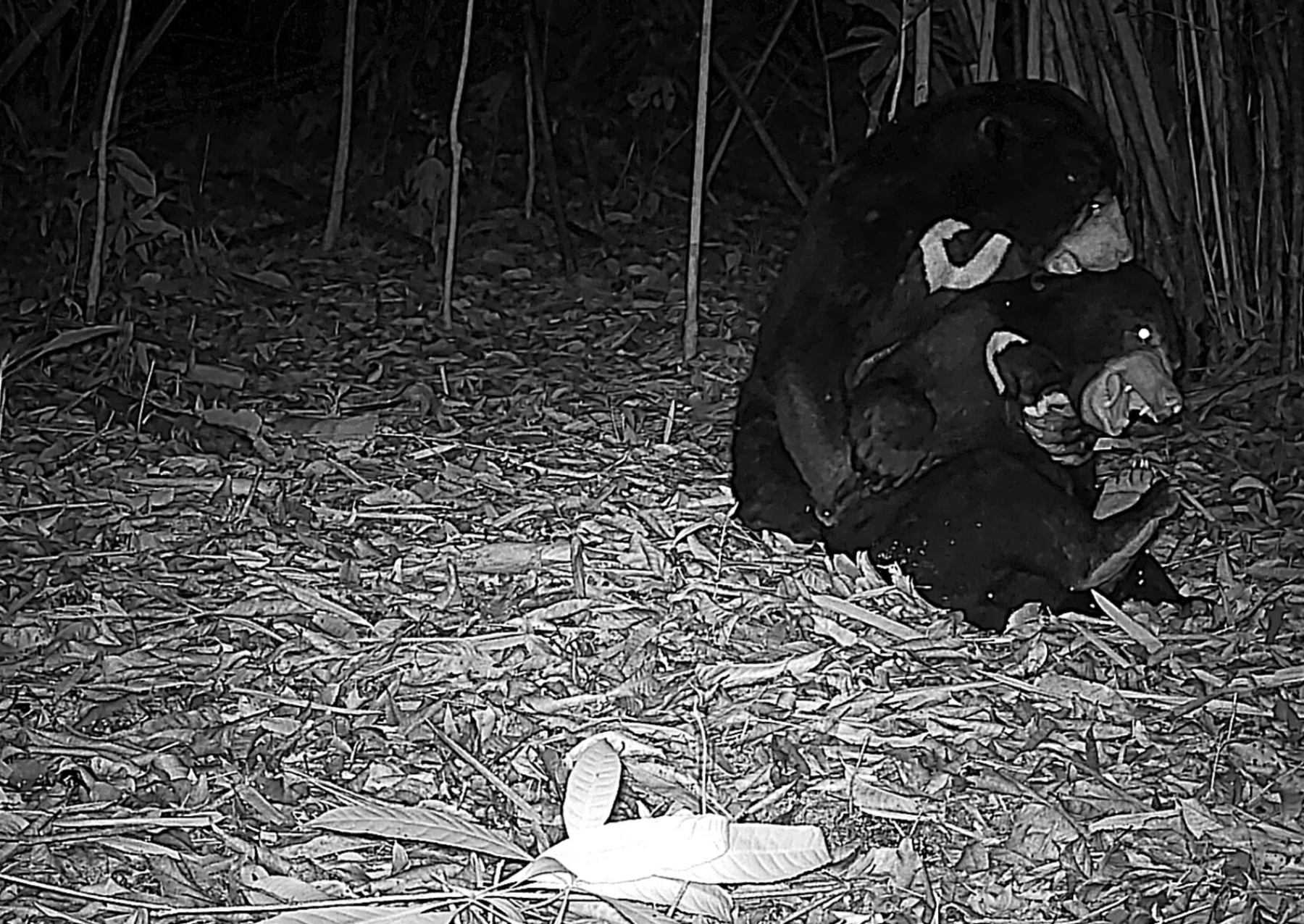
The name sun bear (Helarctos malayanus ) comes from the distinctive orange-yellow patch on this mammal’s chest. These play-fighting sun bears have poor eyesight and hearing. However, they compensate with a powerful sense of smell and strength. Their claws can dig through a bee’s nest and tear apart termite mounds, which are as hard as concrete. Sun bears are currently threatened by deforestation and poaching for their gall bladders and paws. Image: © Fauna & Flora. Clouded Leopard
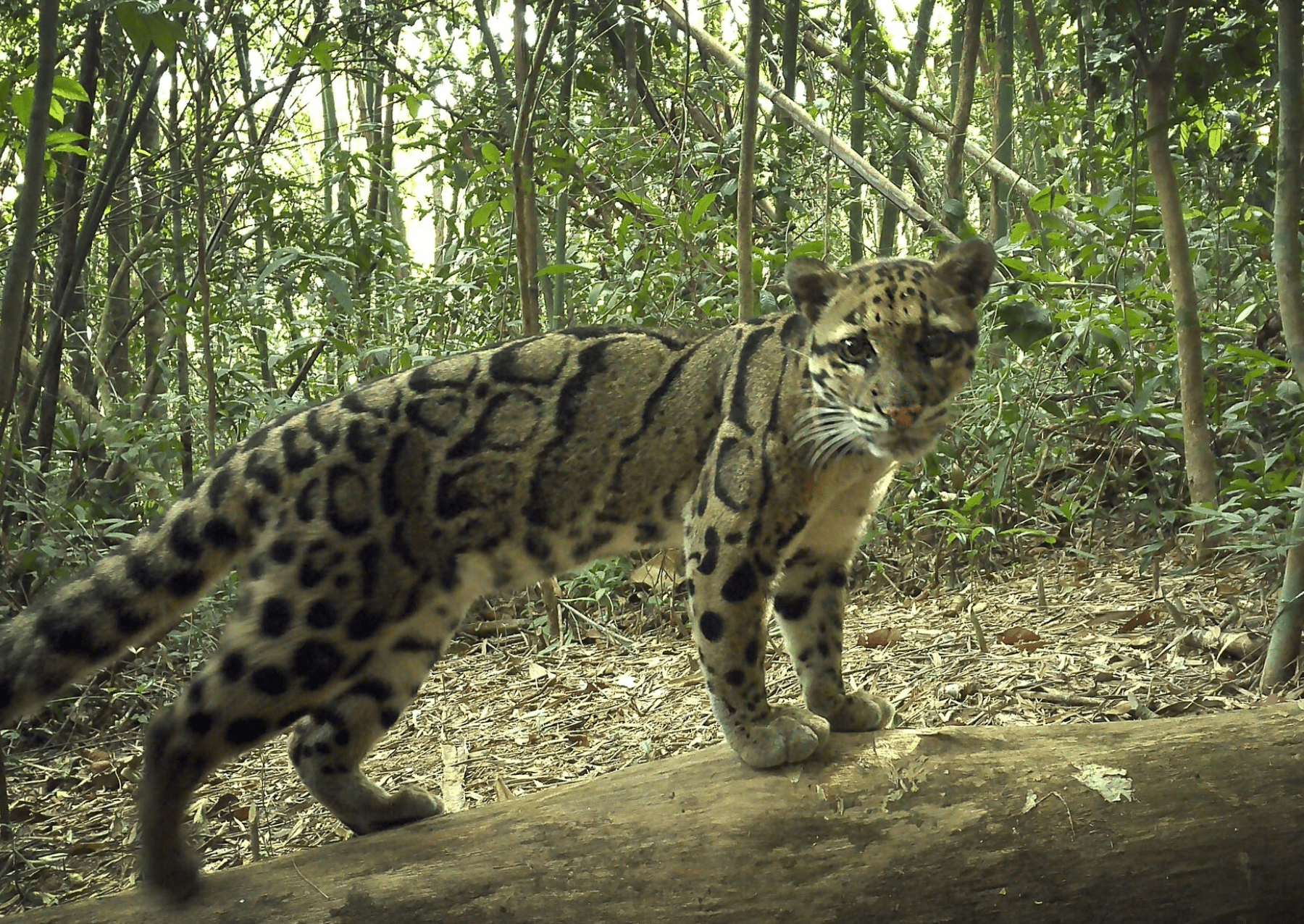
The clouded leopard (Helarctos malayanus ) make it a prime target for poachers involved in the illegal wildlife trade. The felines are often sold live as exotic pets and their skins are sold illegally to make luxury clothing and decorations. They can also be killed for their teeth, claws and bones, which are presented as tiger parts. Image: © Fauna & Flora. great hornbill
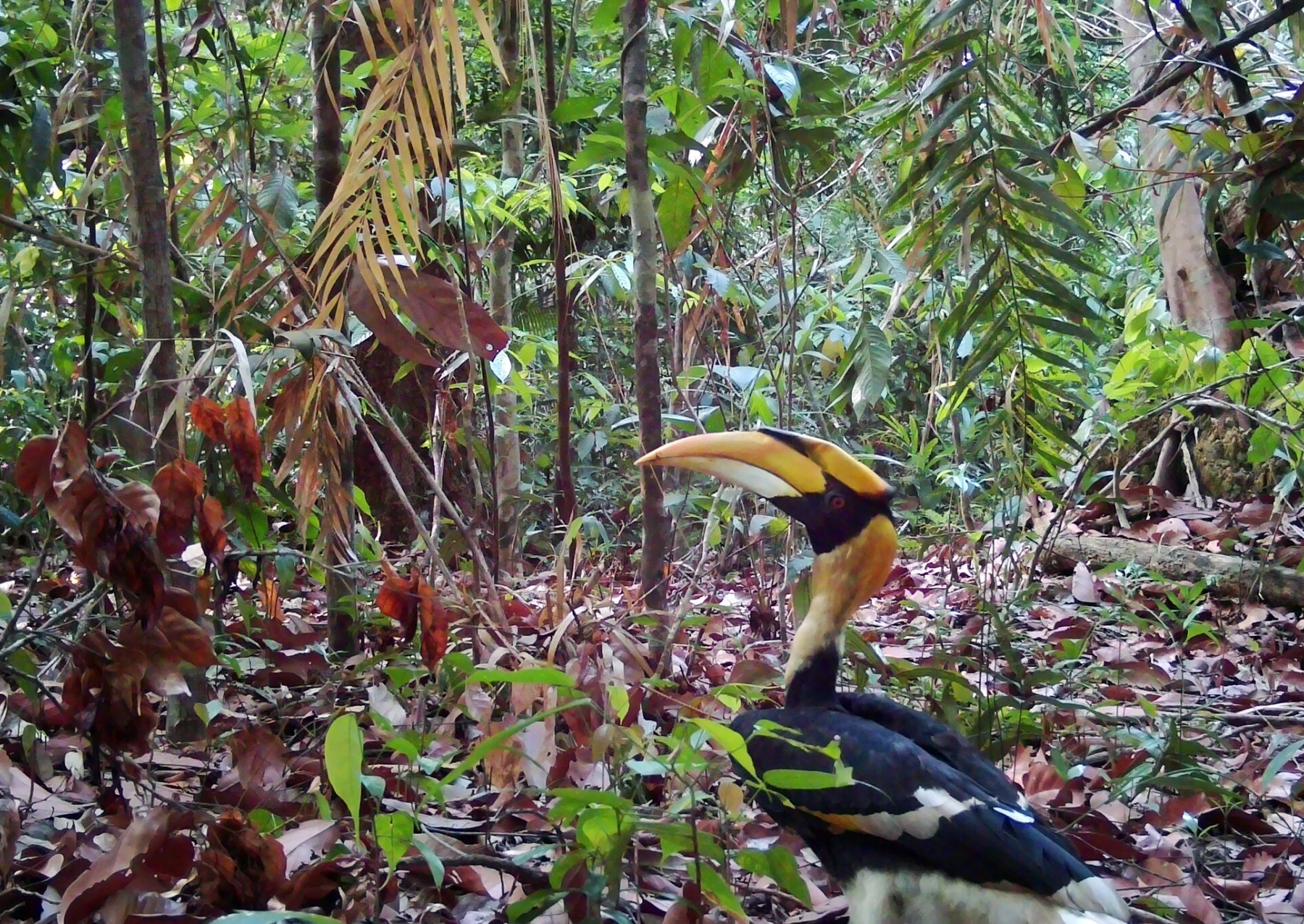
Great hornbills (Buceros bicornis ) are large birds that play an important role as seed dispersers. They feed on fruits high in the forest canopy, then fly everywhere, spreading seeds as they go. This species and other hornbills have earned the nickname “biodiversity barometers” because the presence of these endangered birds is a strong indicator of a healthy forest. Image: © Fauna & Flora. Sunda Pangolin
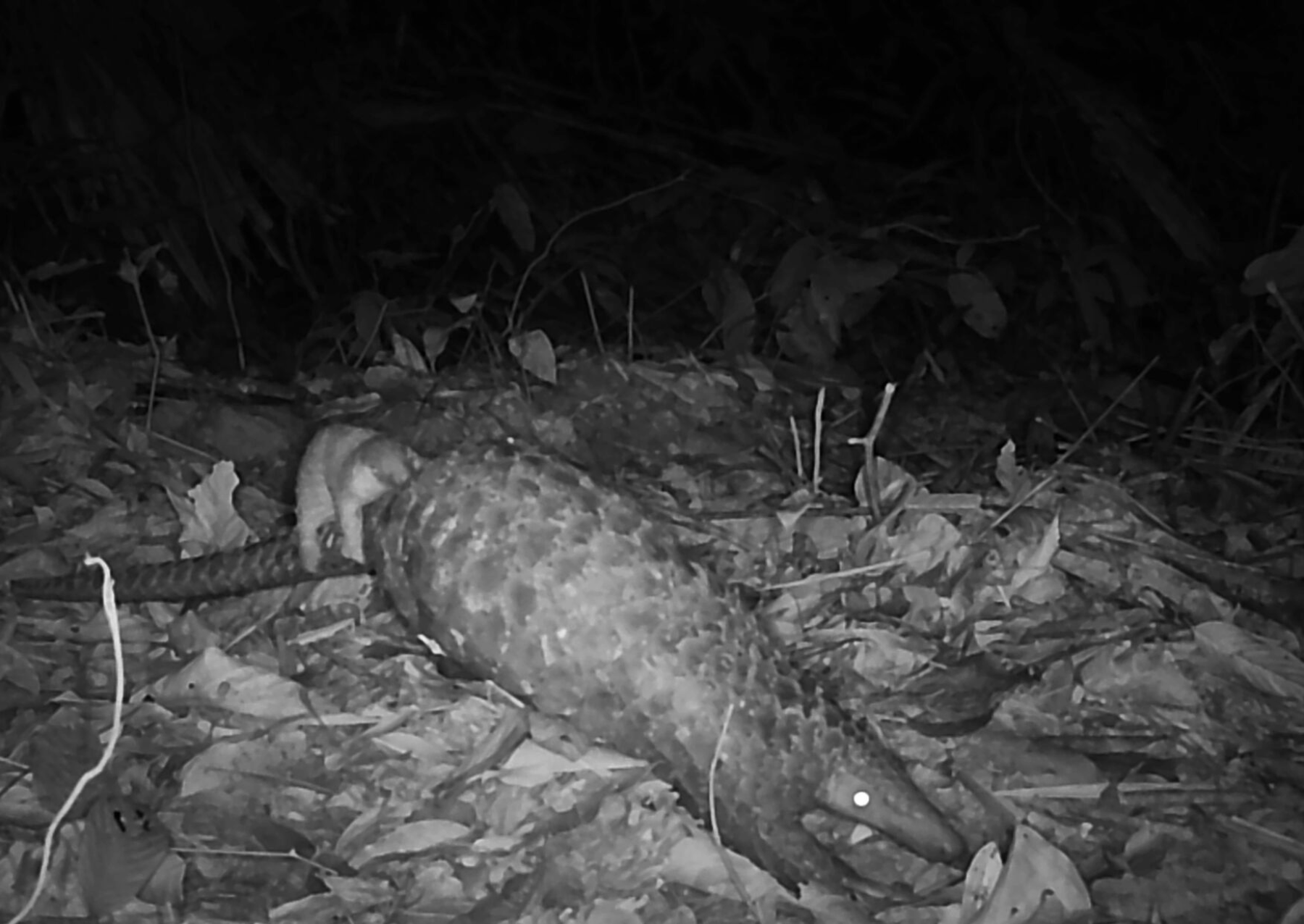
Baby Sunda pangolins (Javanese man ) are affectionately called pangopups and have a unique way of moving through the forest. They hitch a ride on their mother’s tail. Sunda pangolins are critically endangered and their meta and scales make these scaly anteaters the most trafficked mammal in the world. This pangolin was photographed in Pu Mat National Park in Vietnam. Image: © Fauna & Flora. Asian leopard cat
Asian leopard cat
The Asian leopard cat (Prionailurus planiceps ) is considered the feline canary of the forests in a coal mine. They act as an early warning system for the black market trade in exotic animals, as they are heavily traded. According to Fauna & Flora, there is growing concern over the number of Asian leopard cats being traded illegally, with wild-caught individuals being crossed with domestic cats to produce hybrid Bengal cats. Last year they were spotted in Thailand for the first time in 30 years. CREDIT: © Fauna & Flora.
VIDEO
Serow
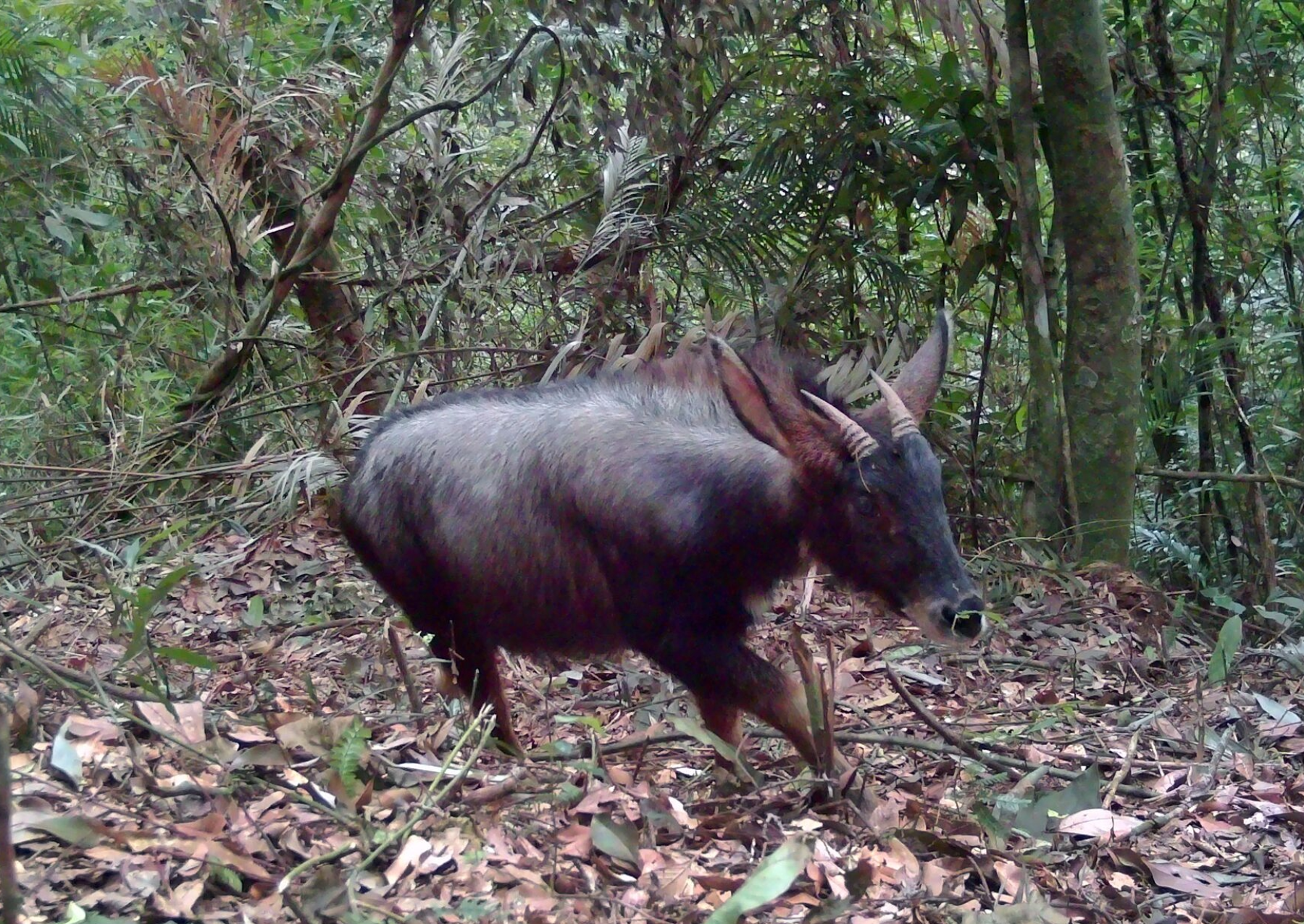
The shy and elusive serow (one of four species in the genus Capricorn ) is a bit like a cross between an antelope and a goat. These medium-sized, black-furred mammals prefer rocky, wooded hillsides. They are often hunted for their meat and their short horns. Image: © Fauna & Flora. Stump-tailed macaque
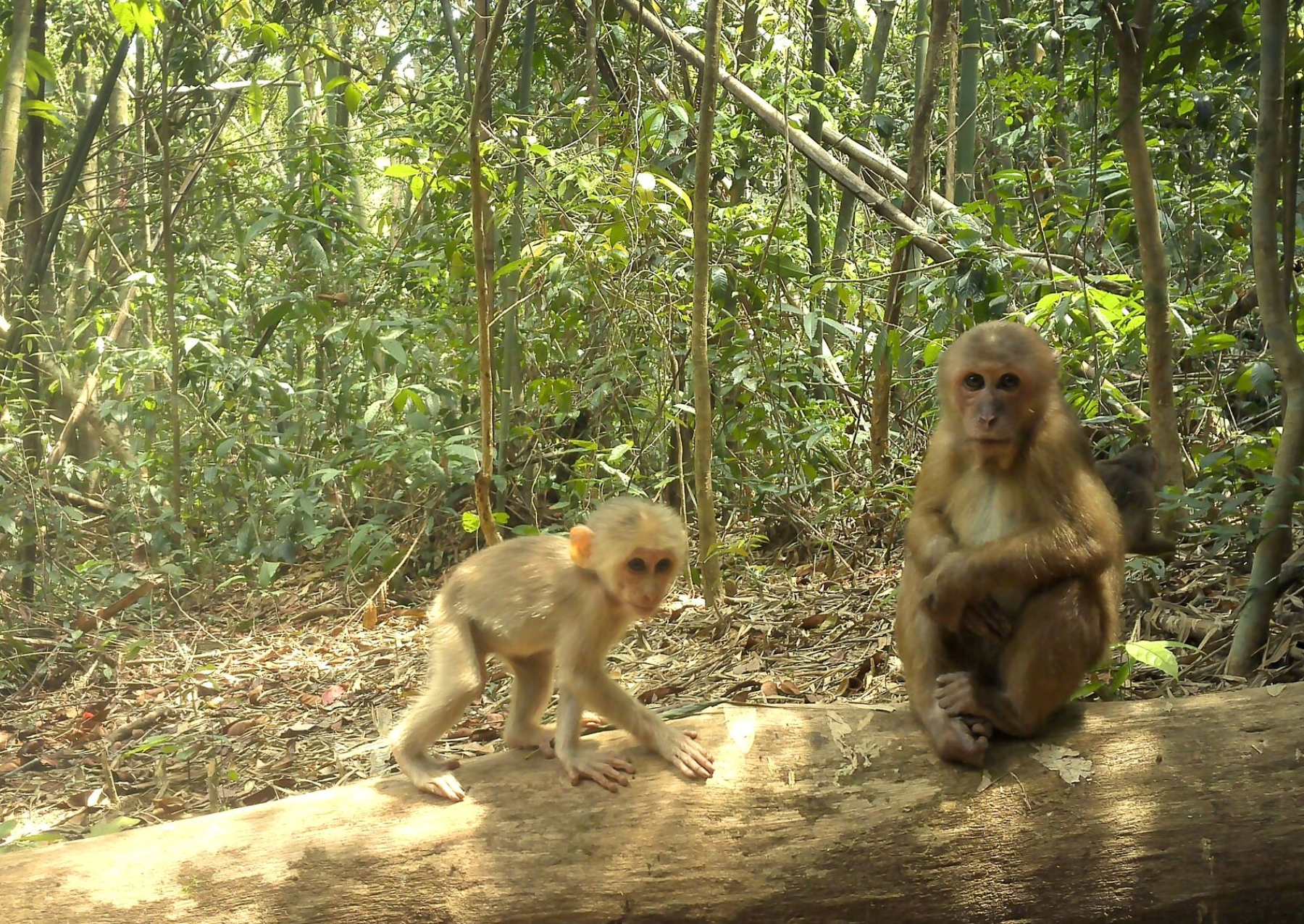
In this photo, a mother and her baby stump-tailed macaque (Macaca arctoides ) are perched on a fallen tree. These primates are known for their short, hairless tails and spend much of their day feeding on fallen fruit on the forest floor. Image: © Fauna & Flora. Gray peacock-pheasant
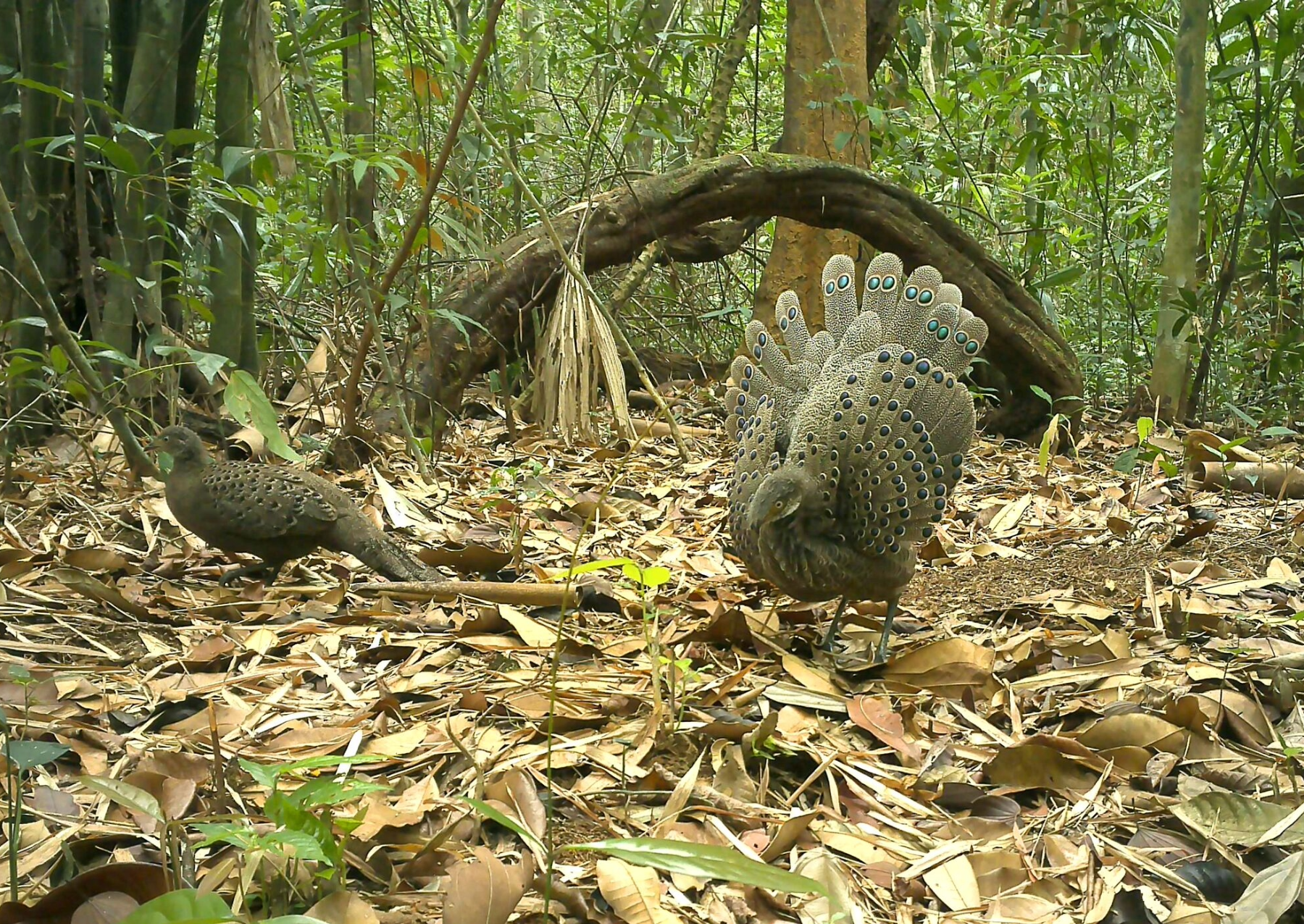
A male peacock-pheasant (of the genus Polyplectron ) tries to impress the females with his iridescent eyespots and struts on a “dance floor” he has created among the dead leaves of the forest. Image: © Fauna & Flora.
The best new PopSci 2025 releases
The 50 most important innovations of the year