The tech behind the Olympics: High-speed cameras, sensors, and annoying drones


Athletes competing at this year’s Winter Olympics in Milan will do so surrounded by a complex network of AI-enabled cameras, stopwatches, sensors and speedy drones capable of tracking their performance down to fractions of a second. The high-tech timing system, the culmination of nearly a century of constant iteration, is fundamentally reshaping the way viewers experience the Games at home. It also plays an increasing role in how elite athletes train and, in some cases, can even determine who is ultimately declared the winner or loser.
Behind this precision is Omega, a Swiss watchmaker which has been the official timekeeper of the Olympic Games since the 1932 Los Angeles Games. This year, it deployed cameras capable of capturing up to 40,000 frames per second, allowing “photo finishes” in speed skating and other timed races. Elsewhere, computer vision systems and AI models will sift through a constant stream of camera data, generating up-to-the-second graphs that break down an athlete’s speed, splits and positioning in real time. Commentators and analysts can then use this information to better explain the significance of an impressive sporting feat (or embarrassing mistake) to a broad audience, often unfamiliar with the nuances of a sport.
“Computer Vision, which can capture and display a continuous range of data throughout competitions, such as live speeds, jump heights and even a figure skater’s blade angle,” Omega explains. Popular science. “Information like this takes viewers into the heart of sport like never before, identifying where events are won or lost and deepening understanding of the Olympic Games everyone is watching. »
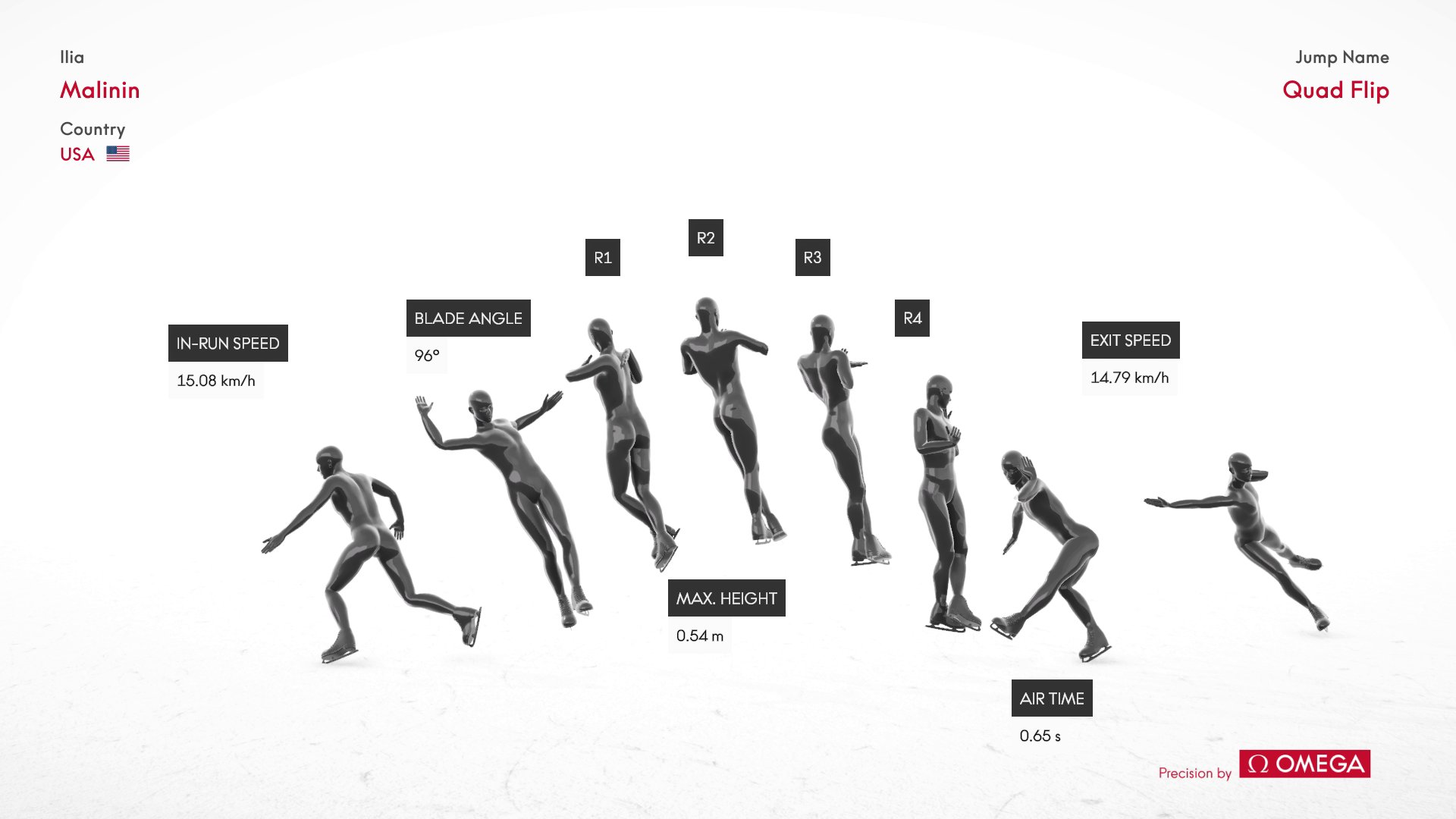
Cameras reveal figure skaters’ movements and blade angles
New camera technology will be on full display during this year’s figure skating events. An array of 14 8K resolution cameras are positioned around the rink, continuously capturing skaters’ movements and feeding the data into an AI system managed by Swiss Timing, Omega’s official timing division. This system generates a 3D visual model of each athlete, measuring movement along three axes and tracking jump height, airtime, landing speed and other variables that can influence a judge’s score. The model can also assess a skater’s blade angle and determine whether a full rotation was made during a pirouette, two factors that can affect the final score.
All of this data is processed in real time and presented on screen as heat maps and visualizations that viewers can view at home. To put this into perspective, Alain Zobrist, CEO of Swiss Timing, recently said IEEE Spectrum that the time needed to measure the data on the ice and translate it into a graph on the screen is less than a tenth of a second. It’s faster than the blink of an eye.
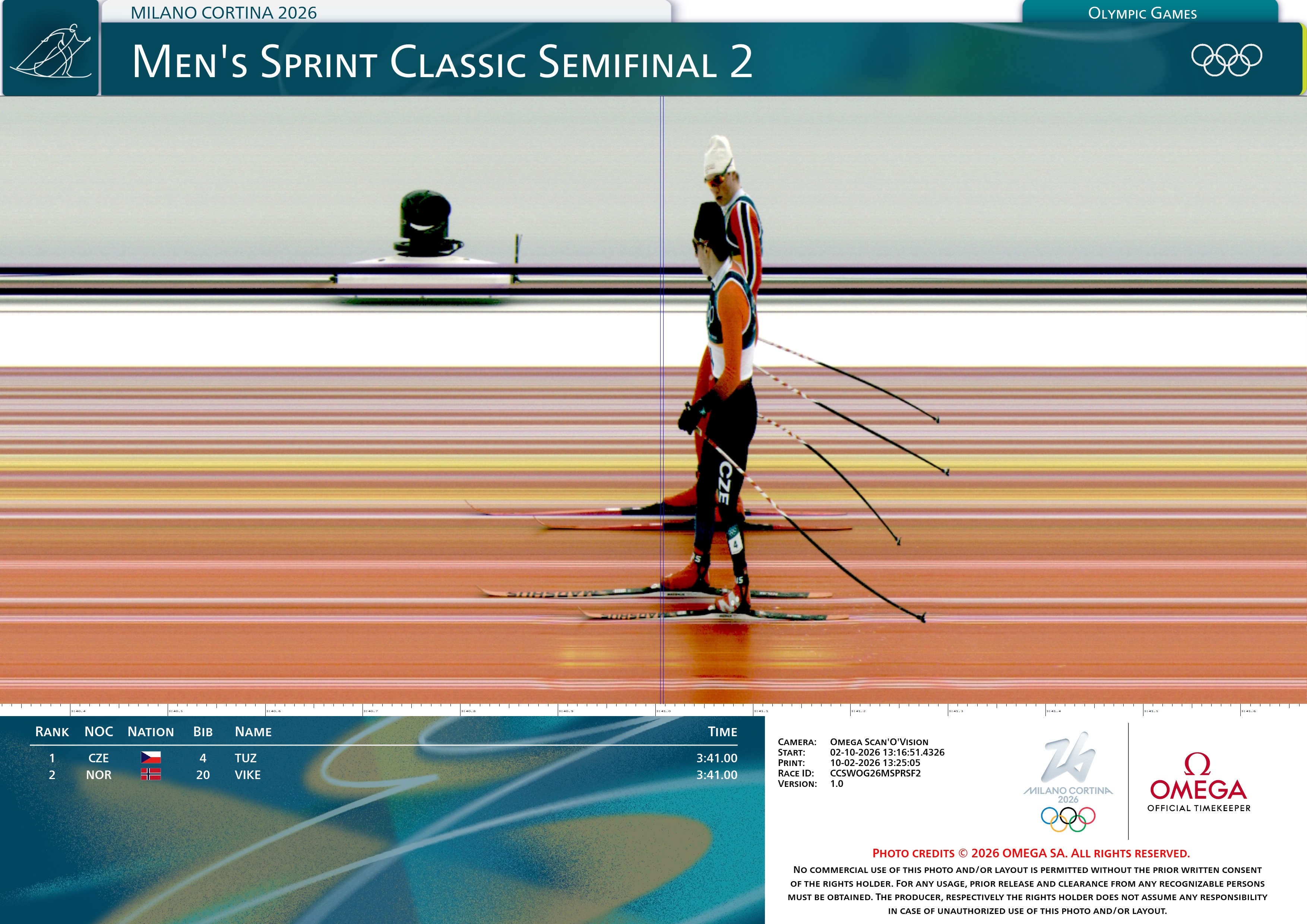
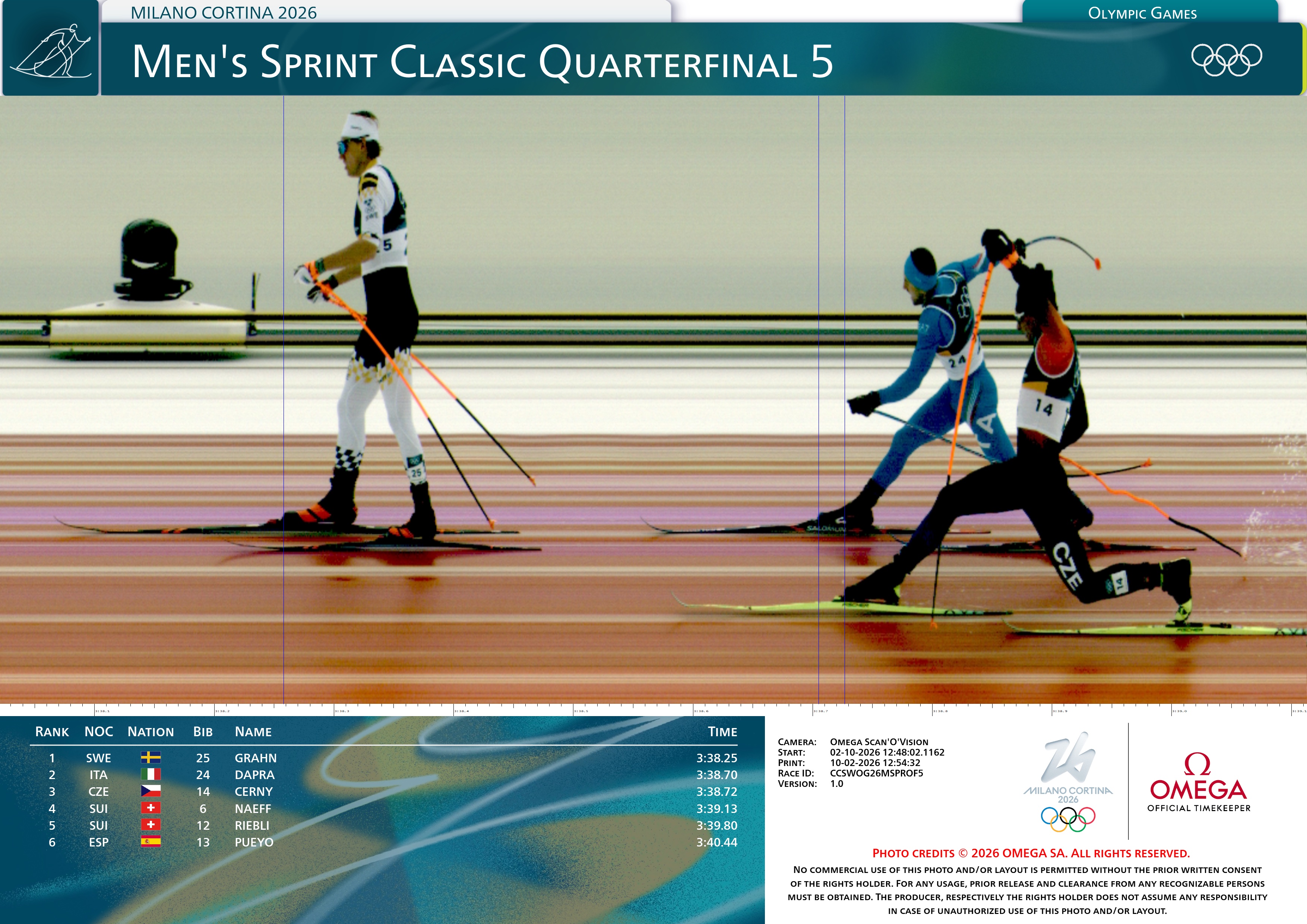
Omega says its newer, more powerful camera has already helped determine results in a number of position-based events, like cross-country skiing and short-track speed skating. The camera’s ability to capture 40,000 frames per second means it can confirm the tiny margins separating runners at the finish line with more precision than the human eye. For example, in the eighth round of the men’s 1,000-meter short track speed skating event, the athletes cross the finish line just 0.0002 seconds ahead of the third-placed skier. Meanwhile, in the fifth quarterfinal of the Women’s Cross-Country Skiing Sprint Classic, Norwegian skier Milla Grosberghaugen crossed the finish line just 0.04 seconds ahead of Sweden’s Johanna Hagstroem.
“That margin was the difference between qualifying for the next round and not,” Omega said.
Jump analysis for skiers and snowboarders
Some of the most visible impacts of new technology are being felt on mountains. During big air events, a new series of sensors attached to the bottom of each athlete’s skis and snowboards continuously collect data on speed, acceleration, height, distance and subtle variations in body position in flight. The sensors also provide insight into how an athlete’s equipment is positioned before and after takeoff, vital details that coaches can examine to give their athletes a competitive advantage.
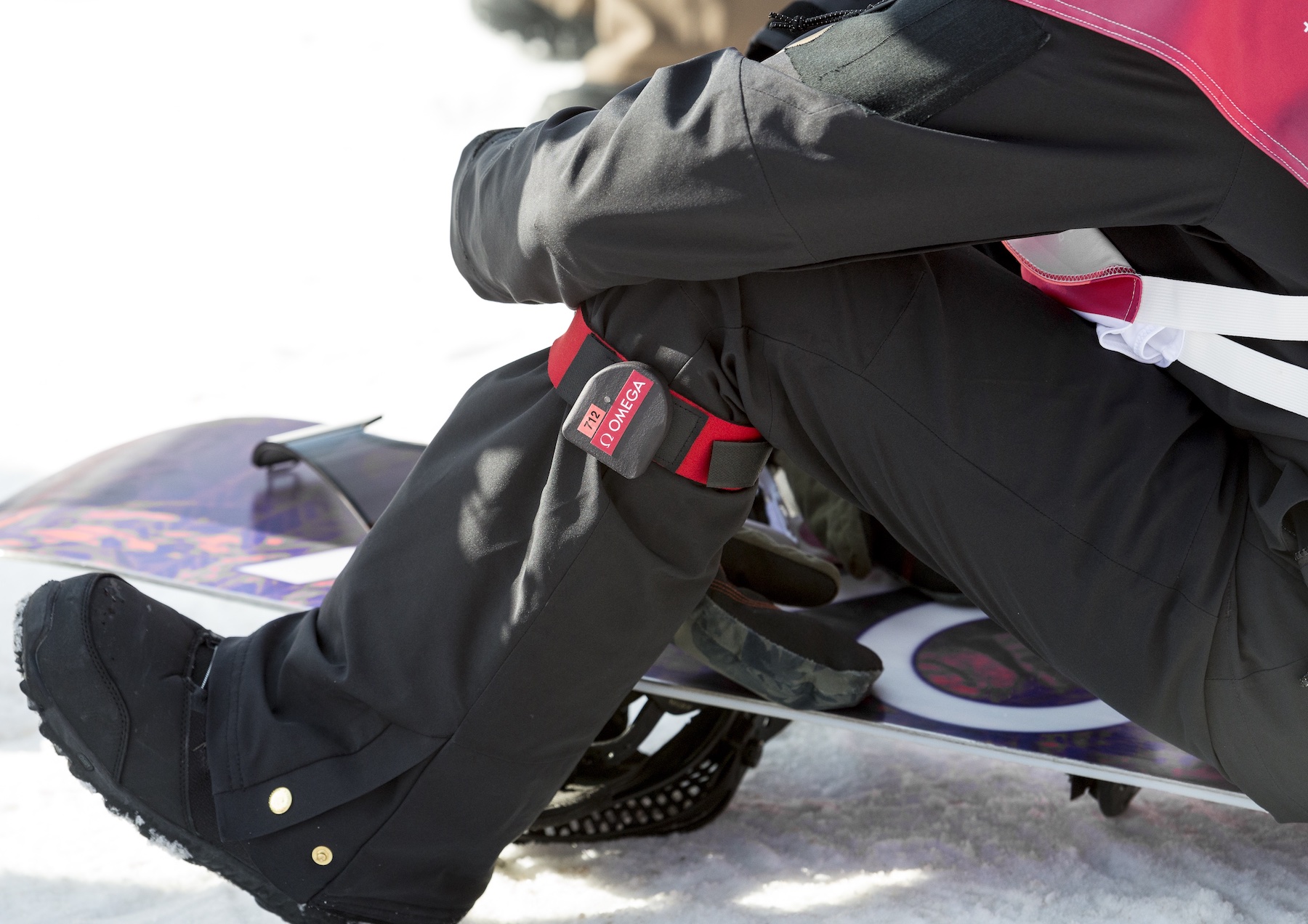
In previous Olympics, competitors wore sensors strapped around their ankles or embedded in the fabric of their clothing. But this sometimes created distractions for the athletes. In other cases, the fabric could interfere with the sensors, leading to an inability to properly collect data. Placing the lightweight sensor on skis or snowboards aims to solve these problems and prevent potential cheating. Computer vision software, taking data from these sensors and surrounding cameras, can then generate jump analyzes and 3D positions for each athlete.
Currently, this data is primarily used by commentators and athletes looking to share more detailed behind-the-scenes information with their fans on social media. But over time, Zobrist said Forbes they hope to advance the technology to a point where it can help judges make “more informed decisions” about an athlete’s performance.
Improved camera technology also plays a leading role in fan-favorite bobsleigh events. In these races, cameras combine snapshots taken at the end of each race and overlay them to create a “virtual photo finish.” This composite view gives viewers an easy way to see the slim margins that separate race results, differences that can be reduced to just milliseconds.

New OMEGA technology for Milano Cortina 2026 | Virtual Bobsleigh Photofinish
Drones chase athletes on the slopes
And while many of these sensors and cameras operate largely invisibly in the background, another piece of technology at the Games is much more visible and audible: drones. This year, a fleet of 10 traditional quadcopters and more than two dozen first-person view (FPV) drones echo to the ground with a constant buzz. The drones, maintained by Olympic broadcast services and each operated by a team of three, fly right next to the athletes, capturing perspectives not possible with a conventional camera. In some cases, high-speed drones literally chase skiers as they slide down a slope.
Drones can stream video behind (and even directly in front of) athletes, a capability that advocates say allows for a whole new form of visual storytelling. While the approach could be immersive for fans watching at home, some competitors have raised concerns that it could prove distracting or introduce potential safety risks at times when extreme concentration is essential. There have been cases at previous sporting events in which drones crashed during competition, although such incidents remain rare.
“I think it might just be that the people who ride them are somewhere else and don’t realize how close they are,” said American snowboarder Bea Kim. the Washington Post earlier this week.
The Olympic Games: a test bed for new camera technology
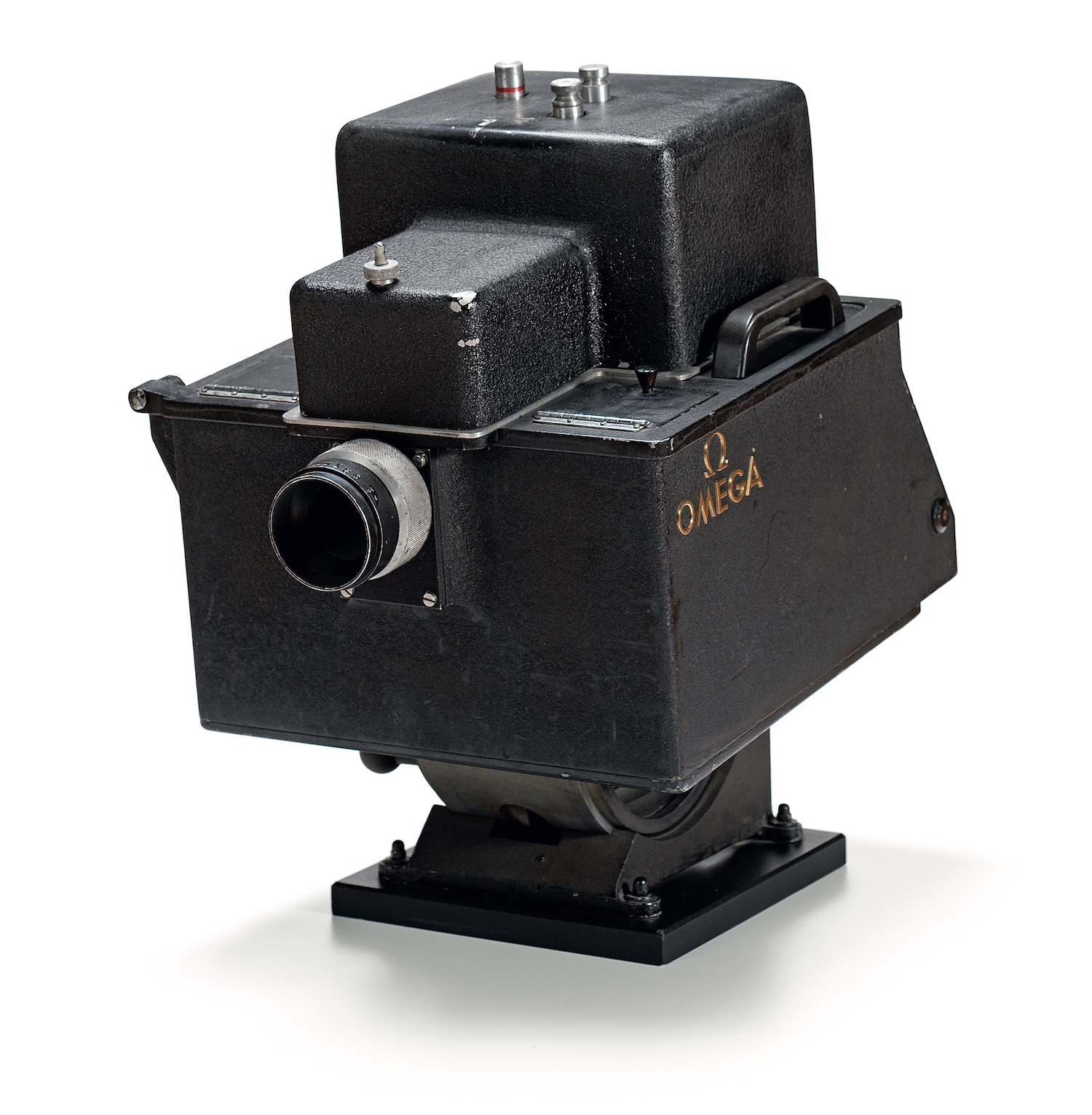
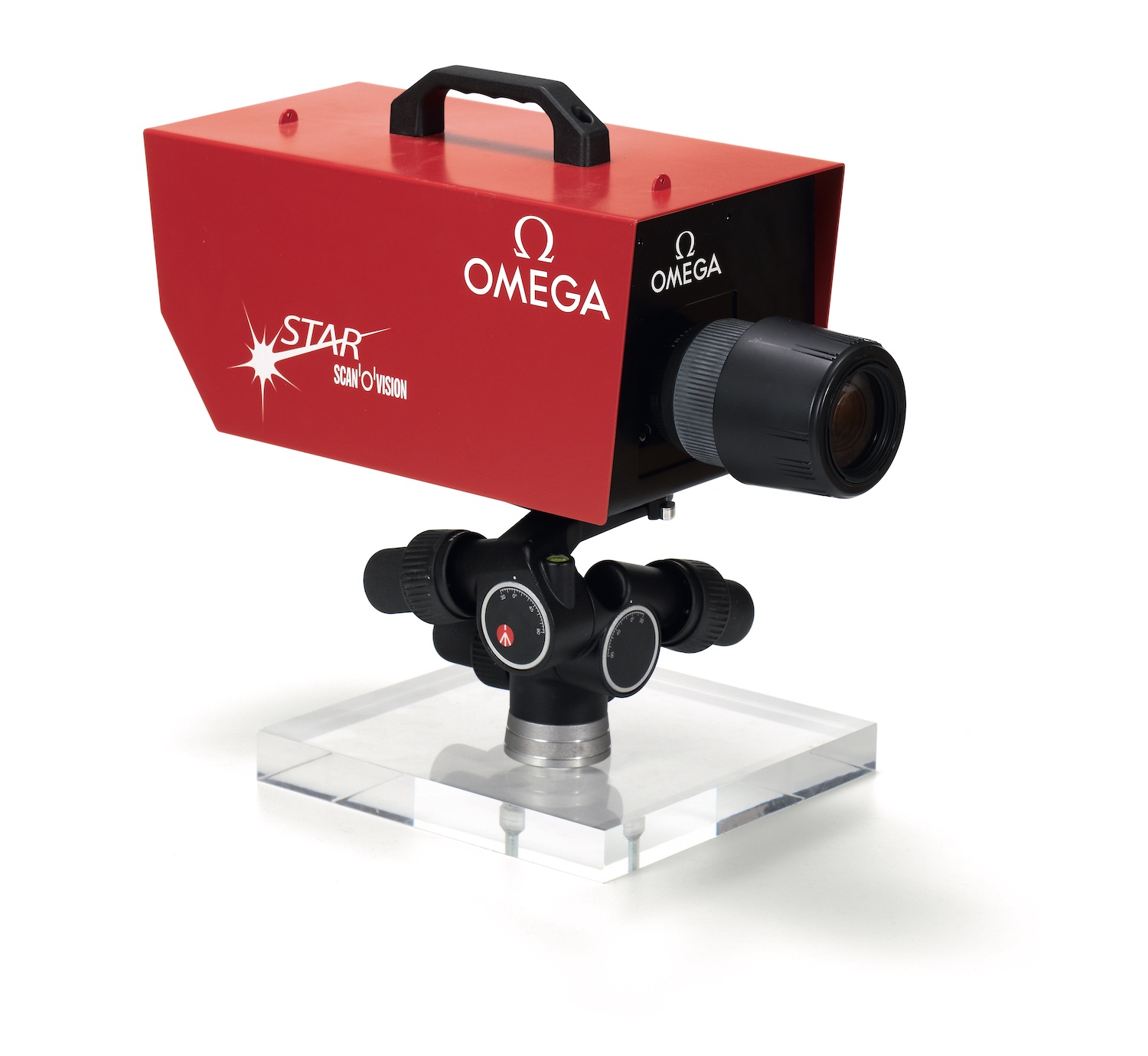
These new devices are part of a continuing evolution in camera and filming technology that has advanced alongside the Olympic Games. The first Olympic Games held in Corina in 1956 saw Omega introduce automated timing technology at the ski start gates. Before that, the start time was still determined by the person holding a stopwatch.
“Since this role began in 1932, the abilities of athletes have continued to advance with each edition of the Olympic Games,” Omega said. “Recognizing athletes’ commitment to excellence, OMEGA felt responsible to keep up with increasing performance standards, delivering an evolution of equipment that allows the margins to be separated with unquestionable clarity.”

The best new PopSci 2025 releases


