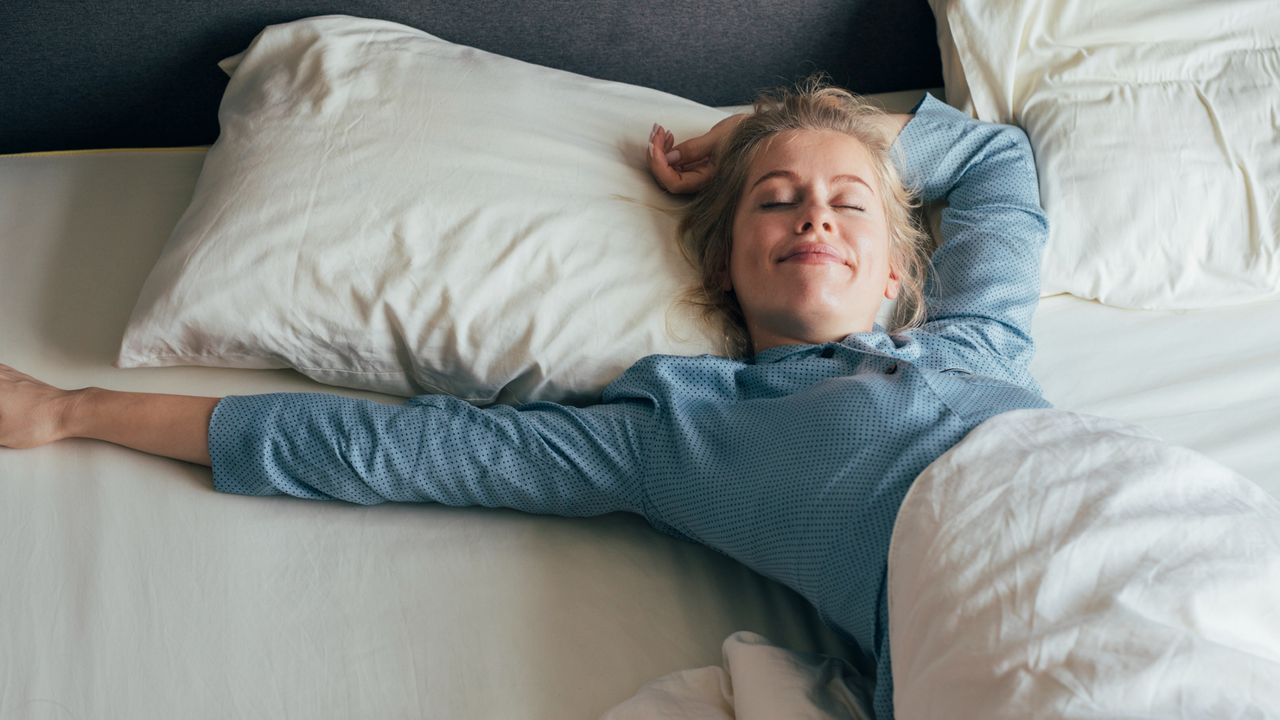
Night owls are known to usually go to bed late and ride a wave of energy that can carry them into the early hours of the morning before they begin to fall asleep. Morning people, on the other hand, tend to be more alert and energetic when they wake up in the morning, and they go out earlier than night owls.
These two rhythms of wakefulness and sleepiness, called “chronotypes”, are thought to be at least partially determined by human genetics. But research suggests that being a natural night owl can have some drawbacks.
For example, a recent study linked being a a night owl at higher risk of poor heart health and cardiovascular diseases such as strokes and heart attacks. Another study found that night owls have a higher risk of premature death. However, in both studies, scientists cautioned that chronotype itself does not appear to explain all of this risk. Rather, it is lifestyle factors that could be the main culprits that separate the health of night owls from that of morning larks.
Higher rates of smoking among night owls appear to be an important piece of the puzzle, along with greater alcohol consumption, poor diet and less physical activity, on average. So if you’re a night owl who controls these critical lifestyle factors, current data suggests that your risk of heart disease and premature death may not be that different from the risk of the average morning person. But more research is needed to know for sure.
Would you consider yourself a night owl or a morning person? Or do you really not belong to either category? Let us know in the survey below.
This article is for informational purposes only and is not intended to offer medical advice.
—Night owls and morning larks give way to “afternoon people” and “sleepers”
—Ditching daylight saving time could prevent more than 300,000 cases of stroke a year in the United States, study finds
—We actually have billions of “biological clocks”, not just one. Here’s how they all work together.