Bird poop powered this pre-Hispanic kingdom


When we talk about the success of ancient civilizations, the first things that come to mind are usually their military strength, their roads, and their trade. New research, however, highlights a potential key to the strength of a pre-Incan society that is both surprising and slightly disgusting: seabird guano, also known as bird droppings.
The power in question is the Chincha Kingdom (1000 – 1400 CE), a coastal society that ruled the Chincha Valley in present-day southern Peru. In the first half of the 15th century, the kingdom was integrated without conflict into the better-known Inca empire. But what could the kingdom have used the bird droppings for? The answer is fertilizer, specifically for corn, according to a study published today in the journal new PLOS One.
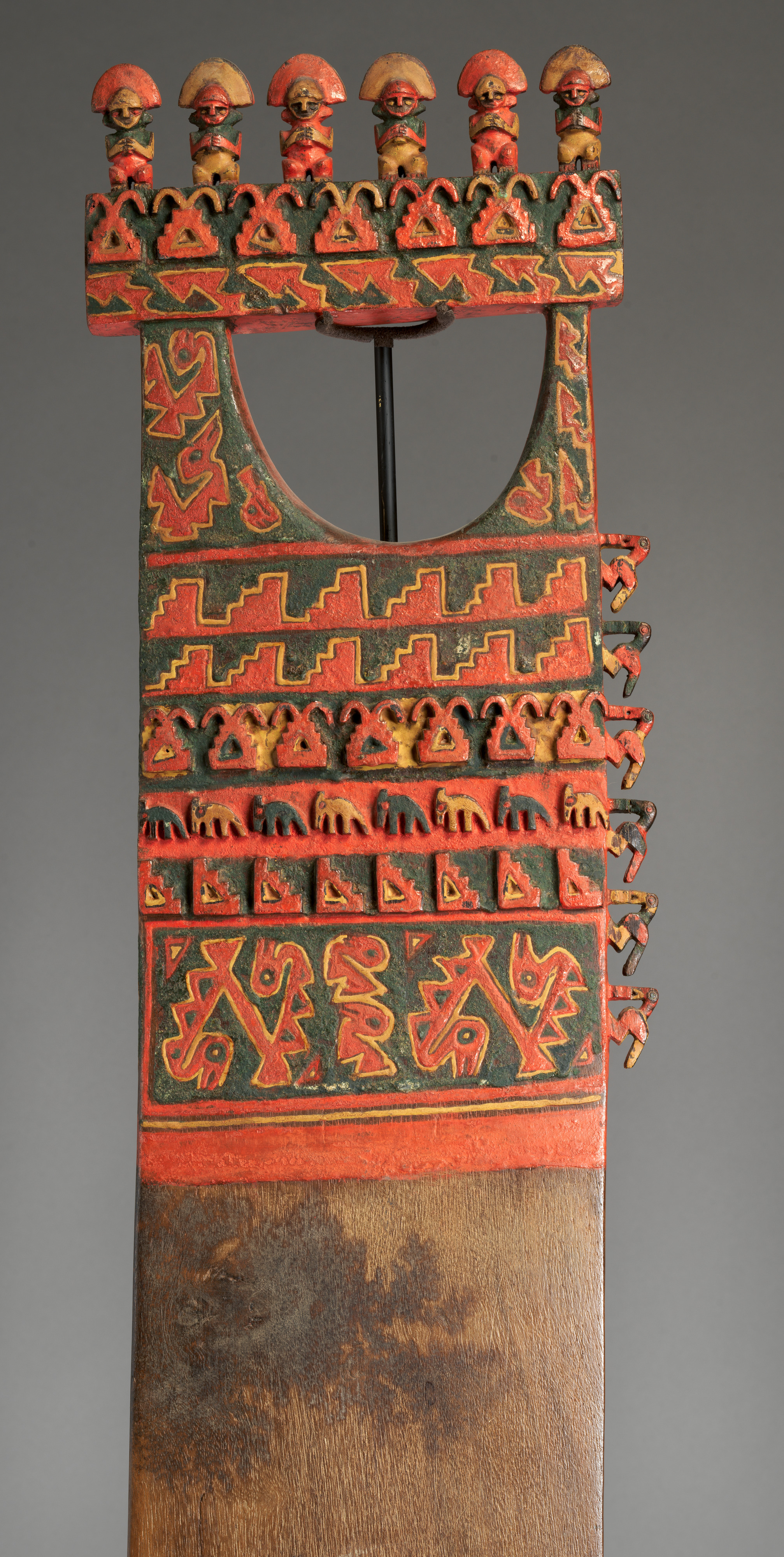
“Pre-Hispanic communities in southern Peru used seabird guano to grow corn. [corn] at least 800 years ago,” says Jacob Bongers, lead author of the paper and a digital archaeologist at the University of Sydney. Popular science. “As an effective and highly valuable fertilizer, guano allowed local communities to increase crop yields and expand trade networks, thereby shaping the economic expansion of the Chincha kingdom and its eventual relationship with the Inca Empire in the 15th century.”
Bongers and his colleagues studied the potential use of seabird guano as fertilizer by the Chincha, approaching the topic through geochemistry, archeology and historical sources. Geochemically, they analyzed preserved corn cobs and found surprisingly high nitrogen levels given the local soil in which they would have grown. Watch out for seabirds: their marine diet makes their guano rich in nitrogen. The analysis suggests that the Chincha were using bird droppings around 1250 CE. The team believes the Chincha probably transported the guano from the Chincha Islands.
On the archaeological and historical side, the team examined ceramics, pottery, textiles, paintings and wall sculptures showing the combined presence of seabirds, fish and corn sprouts.
“Evidence from historical documents and Chincha art helps us contextualize the importance of guano and seabirds to the Chincha,” says Jo Osborn, an archaeological anthropologist at Texas A&M University and co-author of the study. Popular science. “We argue that this was not just an extraction technology for them, but part of their relationship with the natural world. They had a deep ecological knowledge of the relationships between fish, birds and fertilizers, and the importance of these birds is largely reflected in their works.” Osborn believes that this ecological knowledge is the most interesting aspect of the study.
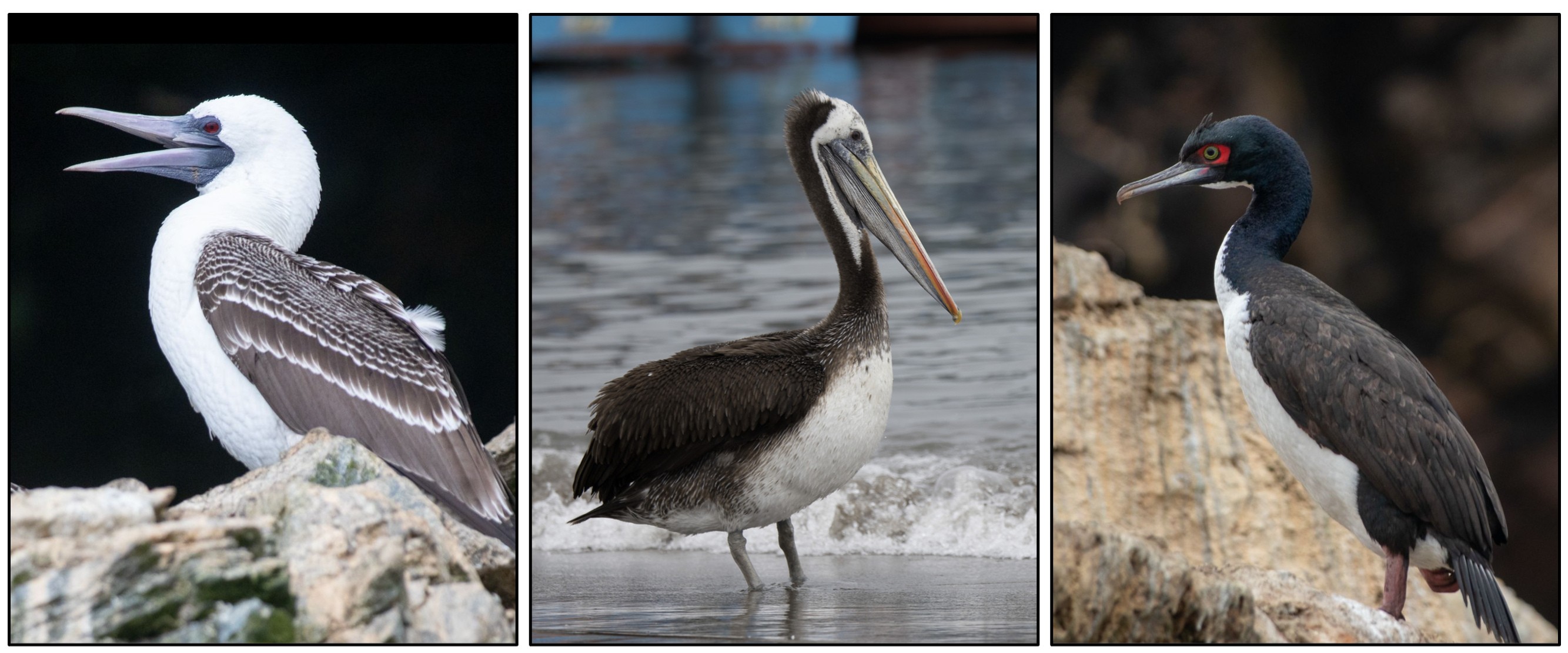
In other words, in addition to the association of seabird guano with political power, the resource also represented an understanding of the dynamics of nature that played an important cultural role in Chinchan society.
“I would say their success comes from how they have integrated this knowledge into the very fabric of their society,” says Osborn. “Their unique worldview, which included reverence for the islands and a deep respect for guano birds, allowed them to sustainably manage a vital resource, fueling their prosperity and ultimately facilitating their successful incorporation into the Inca Empire.”
Related Archaeological Stories

The best new PopSci 2025 releases


