DHS shutdown: TSA, Coast Guard, FEMA, others affected by standoff


NEWYou can now listen to Fox News articles!
A partial government shutdown is almost certain after Senate Democrats on Thursday afternoon rejected Republican-proposed attempts to defund the Department of Homeland Security (DHS).
But it won’t resemble the record 43-day total shutdown that paralyzed Congress last year, nor the shorter four-day partial shutdown that hit Capitol Hill earlier this month. Indeed, Congress has already funded about 97% of the government through the end of fiscal year 2026 on September 30.
When the clock strikes 12:01 a.m. on Saturday, February 14, only DHS will be affected by a disruption in its federal funding. Although much smaller in scale than other recent budget struggles, it will nonetheless impact a wide range of issues given DHS’s broad jurisdiction.
Schumer, Democrats opt for partial shutdown as negotiations reach impasse
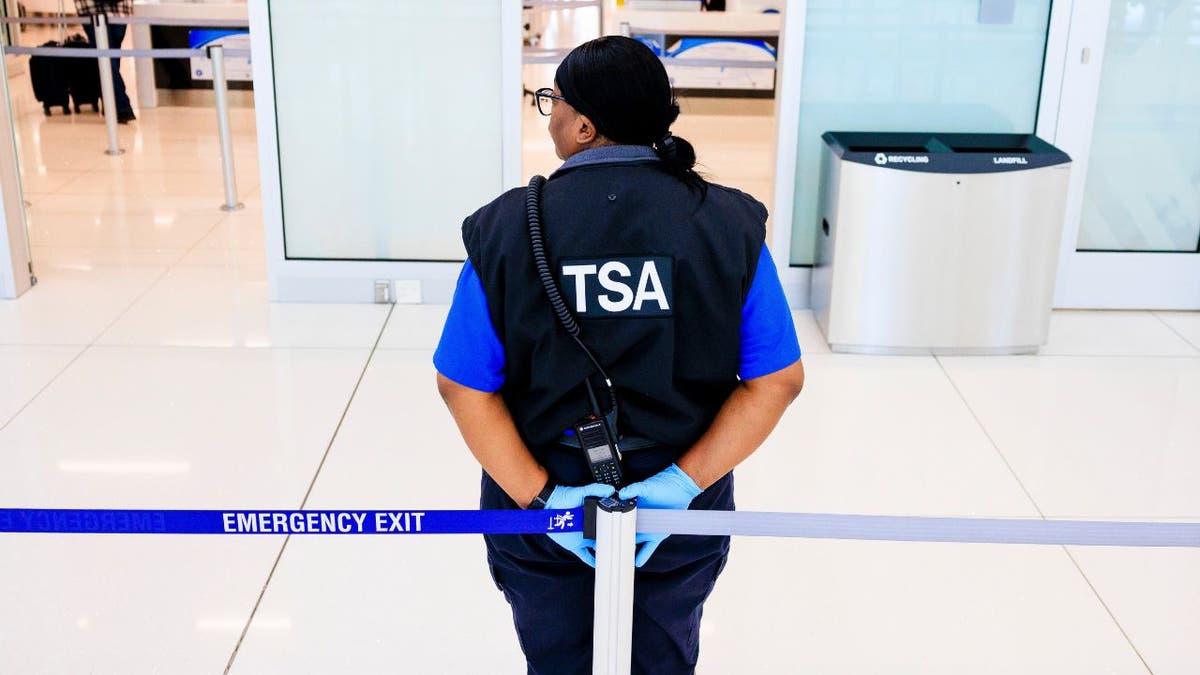
A Transportation Security Administration (TSA) agent stands near a security checkpoint. (Michael Ciaglo/Getty Images)
Transportation Security Administration (TSA)
The disruptions at the TSA, whose agents are responsible for security screenings at nearly 440 airports across the country, could perhaps be the most impactful part of the partial shutdown of Americans’ daily lives.
Acting Administrator Ha Nguyen McNeill told lawmakers at a hearing Wednesday that about 95% of TSA employees, or about 61,000 people, are considered essential and will be forced to work without pay in the event of a shutdown.
McNeill said many TSA officers are still recovering from the effects of the recent 43-day shutdown. “We have heard reports that agents are sleeping in their cars at airports to save money on gas, selling their blood and plasma and taking second jobs to make ends meet,” she said.
TSA paychecks due March 3 could allow officers to receive reduced pay depending on the length of the shutdown. Officers would not be at risk of missing a full paycheck until March 17.
If that happens, however, Americans could face delays or even cancellations at the nation’s busiest airports, with TSA agents forced to stop working and find second jobs to make ends meet.
Shutdown clock ticks as Schumer, Democrats weigh in on DHS funding requests
Coast Guard
The U.S. Coast Guard is the only branch of the armed forces reporting to DHS rather than the War Department, and as such would likely see its operations reduced in the event of a shutdown.
This includes a pause in the training of pilots, air crews and boat crews until funding is restored.
Adm. Thomas Allan, vice commander of the Coast Guard, warned lawmakers that it should “suspend all missions except those related to national security or the protection of life and property.”
A disruption to its funding would also result in the suspension of salaries for 56,000 active, reserve and civilian personnel, which Allan said would negatively impact morale and recruiting efforts.
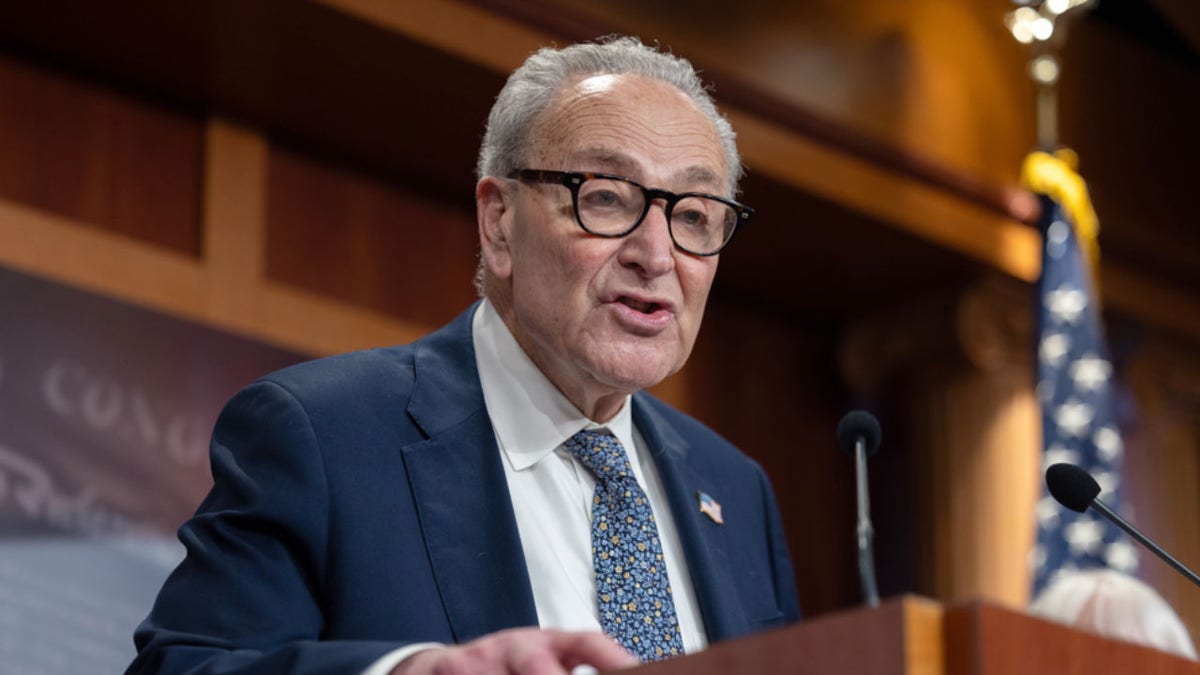
Senate Minority Leader Chuck Schumer, D-N.Y., speaks during a news conference following the passage of government funding bills, at the U.S. Capitol in Washington, DC, January 30, 2026. (Nathan Posner/Anadolu via Getty Images)
Secret service
The United States Secret Service (USSS), essential to protecting the president and key members of the administration, also reports to DHS.
Although its core functions would be largely unaffected by a shutdown, about 94% of the roughly 8,000 people employed by the service would be forced to work without pay until the impasse is resolved.
USSS Deputy Director Matthew Quinn also warned that a closure could also harm progress made to improve service in the wake of the July 2024 assassination attempt on President Donald Trump.
“The attempted assassination of President Trump highlighted hard truths for our agency and critical areas for improvement: air, space, security, communications and IT infrastructure, hiring and retention training, overall technology improvements,” Quinn said. “Today we are on the verge of a generational change for our organization. A shutdown halts our reforms and undermines the momentum that we, all of you, have worked so hard to build together.”
Immigration and Customs Enforcement (ICE)
ICE operations would continue largely unimpeded during a shutdown, although Democrats’ outrage at the agency is the main driver of the current standoff.
Nearly 20,000 of ICE’s approximately 21,000 employees are considered “essential” and therefore must work without pay, according to DHS shutdown guidelines issued in September 2025.
But even though it is the center of Democrats’ funding protest, ICE has already received an infusion of some $75 billion over four years under Trump’s One Big, Beautiful Bill Act (OBBBA). This means that many of its core functions retain some level of funding even if closed.
Cybersecurity and Infrastructure Security Agency (CISA)
CISA is responsible for defending critical U.S. sectors like transportation, healthcare, and energy from foreign and domestic threats.
The agency would be required to reduce its operations to active threat mitigation status and its activities “essential to the protection and protection of life and property,” according to Acting CISA Director Madhu Gottumukkala.
This means that a shutdown would significantly reduce CISA’s ability to proactively monitor potential threats from foreign adversaries.
“We will be defensive, reactive rather than proactive, and strategic about how we can combat these adversaries,” Gottumukkala said.
Operations such as “cyber response, security assessments, stakeholder engagement, training, exercises and special event planning” would all be affected, he said.
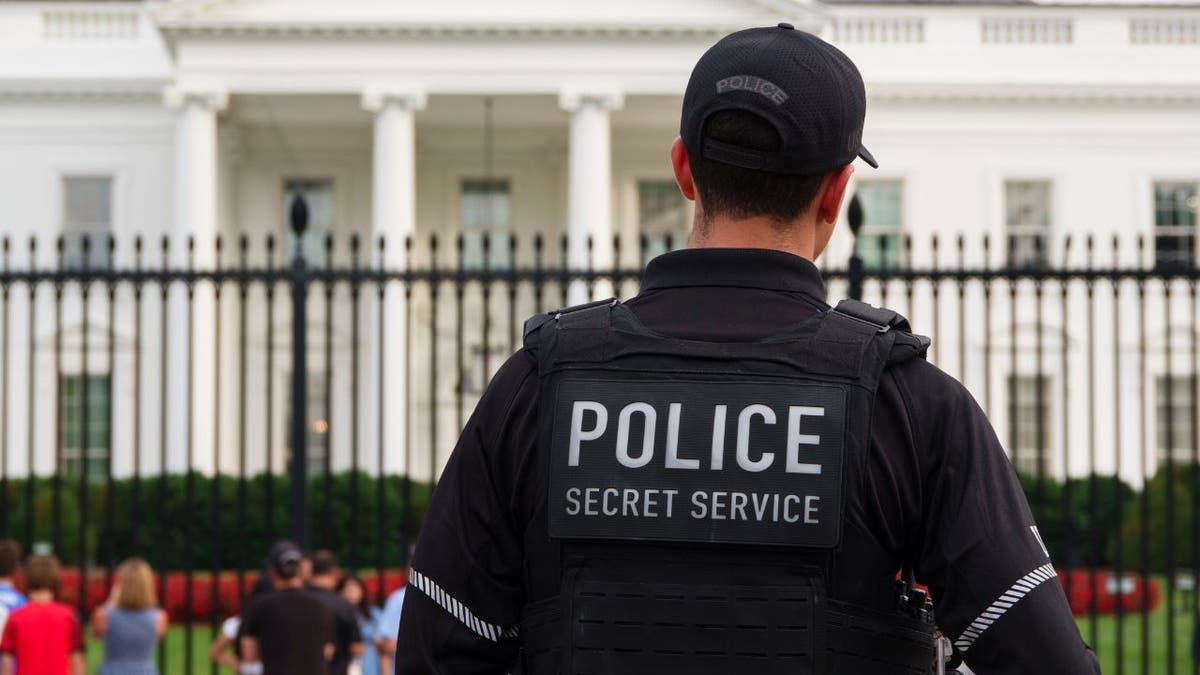
A U.S. Secret Service police officer stands in front of the White House the day after President Donald Trump announced U.S. military strikes on nuclear sites in Iran, June 22, 2025, in Washington, DC. (Kevin Carter/Getty Images)
Federal Emergency Management Agency (FEMA)
FEMA, one of the largest recipients of Congressional funding under DHS, would also likely see its operations reduced if a shutdown lasts long enough.
The bright spot for the agency is that past Congressional appropriations have left its Disaster Relief Fund (DRF), the main coffer used to respond to natural disasters across the United States, with about $7 billion.
However, the DRF could become a serious problem if the DHS shutdown continues for more than a month, or in the event of an unforeseen “catastrophic disaster,” one official warned.
CLICK HERE TO DOWNLOAD THE FOX NEWS APP
FEMA is also currently working on a backlog in responses to past natural disasters, progress that Office of Response and Recovery Associate Administrator Gregg Phillips said could be disrupted in the event of a shutdown.
“In the 45 days I’ve been here…we’ve spent $3 billion in 45 days on 5,000 projects,” Phillips said. “We’re going as fast as we can. We’re committed to reducing the backlog. I can’t go any faster than we actually are. And if it fails, it will stop.”


