Can Zapping Our Brains Make Us Less Selfish?



Explore
AThe truism is a strange thing. This is instilled in us when we are children, but many people seem to abandon it as soon as they become adults. But is there a way to stimulate altruistic behavior?
New research recently published in Biology PLOS Cognitive scientists from East China Normal University suggest this might be the case.
To investigate, researchers tasked 44 participants with playing a game called Dictator, in which one person decides how to share a cash prize with another person that they both keep. The “dictator” can take the entire amount of money for himself, leave nothing for the other person, or divide it however he sees fit (there’s a reason this game is only played in psychology labs).
ADVERTISEMENT
Nautilus members enjoy an ad-free experience. Log in or register now.
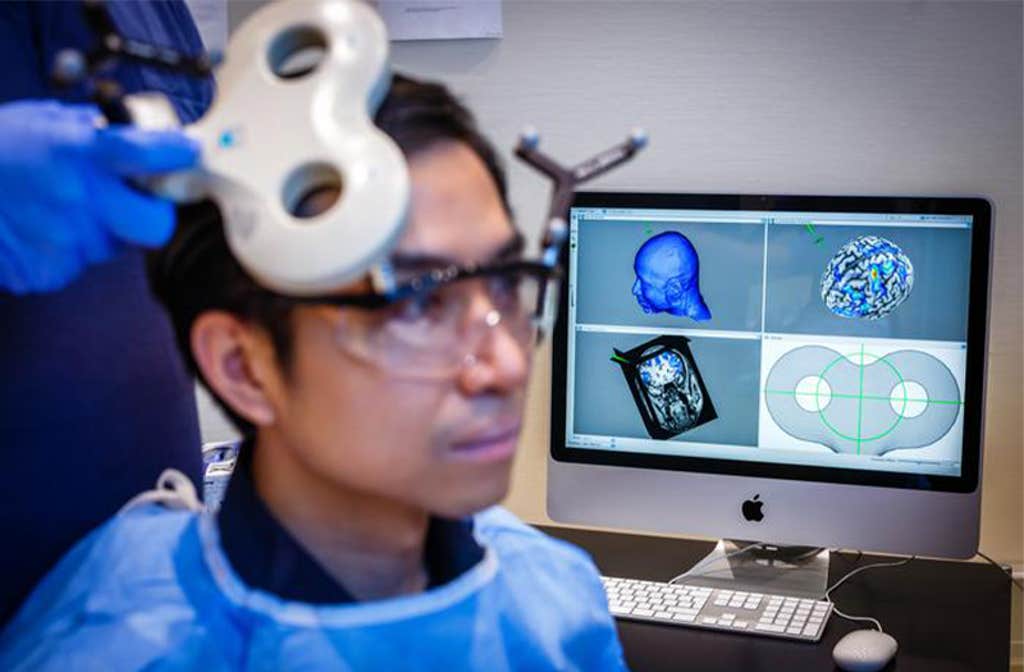
While the participants played the game, the researchers used transcranial alternating current stimulation to get two areas of their brains to work together: frontal regions, which are involved in our conception of the interests of others, and parietal regions, where we integrate information to trigger a decision.
They found that altruistic behavior – that is, dictators offering more money to their comrades, even if they hoped to earn less – increased when they gently zapped these two regions of the brain.
ADVERTISEMENT
Nautilus members enjoy an ad-free experience. Log in or register now.
Read more: “James Doty’s Helper’s High”
“We were struck by how strengthening coordination between two brain areas led to more altruistic choices,” study co-author Marius Moisa said in a statement. “When we increased synchrony between frontal and parietal regions, participants were more likely to help others, even if it came at a personal cost.”
Looking ahead, the team identified several avenues that future research could take, including recording brain activity in regions during trials as well as investigating possible clinical applications for people suffering from disorders characterized by altruism deficit.
ADVERTISEMENT
Nautilus members enjoy an ad-free experience. Log in or register now.
Maybe we could all cooperate a little better if we could just get the different parts of our brains to cooperate.
Enjoy Nautilus? Subscribe for free to our newsletter.
Main image: Natalya Kosarevich / Shutterstock
ADVERTISEMENT
Nautilus members enjoy an ad-free experience. Log in or register now.


