7 Nations With Odd Travel Rules Visitors Break, Reports Say

Airports and city centers are full of tiny legal triggers that seem unreal until they ruin an afternoon. The rules below seem “weird,” mainly because they conflict with what many people consider normal at home: preparing cold medicine, mindlessly taking photos, or throwing a snack in your bag on the way out. Travel advisories repeat the same warnings over and over for a reason: travelers keep making the same mistakes.
Consider this a handy memory aid: where mistakes happen, why they happen, and how to avoid the kind of memories you can’t take with you. Every country here is always very visitor friendly. The smoothest journey is simply one where you never learn the fine print the hard way.
1. Singapore

Image credit: Richard Whitcombe/Shutterstock.
Chewing gum is the classic trap. Singapore considers it a prohibited import in most cases: Singapore’s ICA list of prohibited goods explicitly includes chewing gum, and Singapore Customs also lists chewing gum as a prohibited import with limited exceptions for approved dental or medicinal gum.
The simple solution is to treat the gum like you would treat a restricted medication: check before packing or just skip it. And since Singapore’s public cleanliness rules are taken seriously, you’ll have a more pleasant time if you keep trash secure and use trash cans instead of assuming no one will notice.
2. Thailand

Image credit: Shutterstock.
Vapes are a common mistake on vacation in Thailand, partly because stories about application vary and people misinterpret it as “allowed.” Official UK guidance in Thailand states that e-cigarettes are illegal and warns that carrying or using them can result in fines or imprisonment.
Leave the equipment at home, period. If nicotine is part of your routine, it is best to use legal alternatives and follow designated smoking rules where they apply.
3. United Arab Emirates

Image credit: Shutterstock.
Swearing, rude gestures and heated public arguments can pose real legal risks in the UAE, especially if the situation escalates or is caught on camera. UK travel advice states that swearing and rude gestures (including online) can be treated as “obscene acts”, with consequences that could include prison or deportation.
Remember “good manners in the hotel lobby,” even when someone is waiting in line. Keep disputes quiet, let staff handle issues, and avoid filming strangers, incidents, or safe areas unless you are clearly in an environment where it is appropriate.
4. Japan

Image credit: Shutterstock.
Japan’s drug rules surprise people who think everything is fine with a pharmacy receipt. Japan’s Ministry of Health, Labor and Welfare explains that some controlled substances require prior authorization and some medicines may require import documents before arrival.
Before you fly, check the active ingredient, not the brand name. If authorization is required, apply early and travel with documentation. Keeping medications in their original packaging, with a medical certificate for anything that might raise questions, tends to avoid a lot of drama at the airport.
5. Australia

Image credit: Shutterstock.
Australia views biosecurity as a national defense project, because it fundamentally is. The Australian Border Force is upfront about this: on the Declare page, they note that inspections may involve x-rays and detector dogs, and that you must declare or dispose of restricted items before reaching customs.
State first, explain later. If in doubt, check the box and show the item, as honest disclosure often results in inspection or disposal rather than sanctions. Outdoor gear is also important: clean hiking boots and camping gear if they have picked up dirt in the tread.
6. New Zealand

Image credit: Shutterstock.
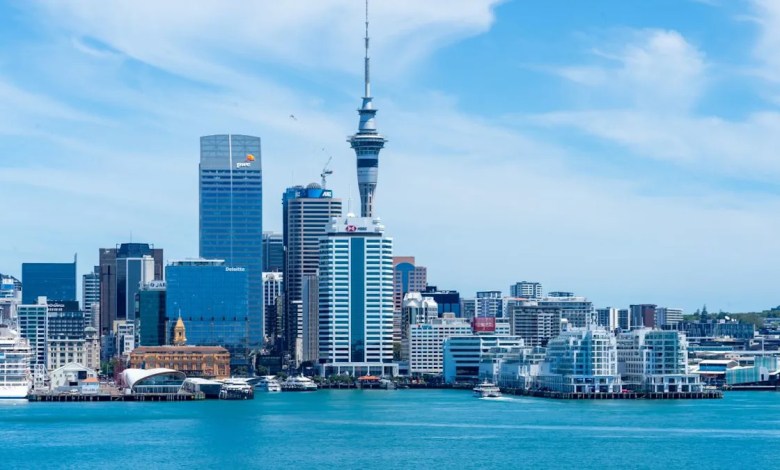
New Zealand operates a similarly strict border system, and it is refreshingly simple about the consequences. New Zealand’s Ministry for Primary Industries warns that failure to declare biosecurity risk items can result in a NZ$400 infringement fee, even if the omission was accidental.
Treat the arrival form like a shameless confessional. Discard leftovers before inspection, or report them and let officers decide. Dirty outdoor gear is also a big problem here, especially anything that has touched forests, farms, or muddy trails.
7. Italy

Image credit: Shutterstock.
Italy is full of popular monuments that are also subject to specific rules of behavior, especially in cities with high traffic. In Venice, the city’s own guidelines on prohibited behavior list actions punishable by fines, including sitting or eating on certain steps, bridges and monuments in designated areas.
Rome also has its own crackdown on “tourist behavior”: news reports around the Piazza di Spagna indicate that sitting still can result in fines, and the rule is enforced most aggressively during peak periods. The smart solution is to assume that large heritage areas function like open-air museums: eat at a table, use designated rest areas, and follow posted signage instead of copying what another tourist is doing.


