Amazon ends Blue Jay robot program months after launch in warehouses


NEWYou can now listen to Fox News articles!
Amazon made a lot of noise in October when it unveiled Blue Jay, a multi-armed warehouse robot designed to speed up same-day deliveries. A few months later, the company quietly ended the program.
The robot’s core technology will live on in other projects. Yet Blue Jay itself is over.
This sudden change raises an important question. If one of the world’s most advanced logistics companies can’t make a massive robot work at scale, what does that tell us about the future of artificial intelligence (AI) in the real world?
Sign up for my FREE CyberGuy Report
Get my best tech tips, urgent security alerts and exclusive offers straight to your inbox. Plus, you’ll get instant access to my Ultimate Scam Survival Guide – free when you join my CYBERGUY.COM bulletin.
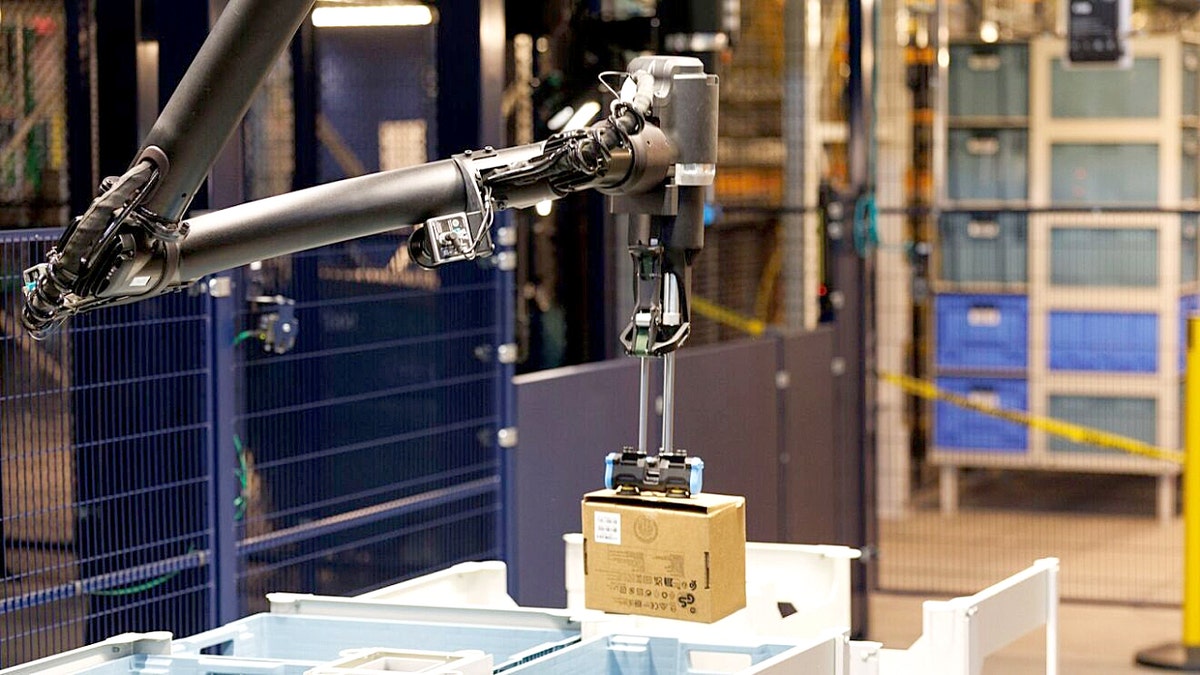
Blue Jay was designed as a ceiling-mounted robot capable of sorting and handling multiple packages at once to speed up same-day delivery. (Amazon)
What Blue Jay Was Supposed to Do
Blue Jay was not a simple treadmill upgrade. It was a ceiling-mounted system designed to recognize and sort multiple packages at once. Using AI-based perception models, the robot could:
- Identify moving packages
- Coordinate multiple arms at the same time
- Manipulate objects quickly and precisely
Amazon said it developed the system in less than a year. That pace alone was impressive. The goal was clear: move more packages faster while reducing the strain on same-day distribution center workers. On paper, this seems like a win for everyone.
Why Blue Jay Got In Trouble
Despite the hype, Blue Jay faced significant engineering and cost challenges. First, the robot was mounted on the ceiling. This design required complex installation and tight integration into Amazon’s local vending warehouses. These facilities operate as massive, single structures with automation built into the building itself.
There was little room to reconfigure the hardware once installed. This rigidity has probably become a handicap. In software, AI can evolve overnight with a code update. In the physical world, changing course means retooling steel girders, engines, and entire configurations. It takes time and a lot of money. Several employees who worked on Blue Jay have already moved on to other robotics projects.
The company would continue to experiment and improve its warehouse systems. The technology behind Blue Jay will actually inform future designs. In other words, the robot has broken down. The ideas didn’t do it.
WAYMO’S CHEAPER ROBOTAXI TECHNOLOGY COULD HELP EXPAND TRAVEL RAPIDLY
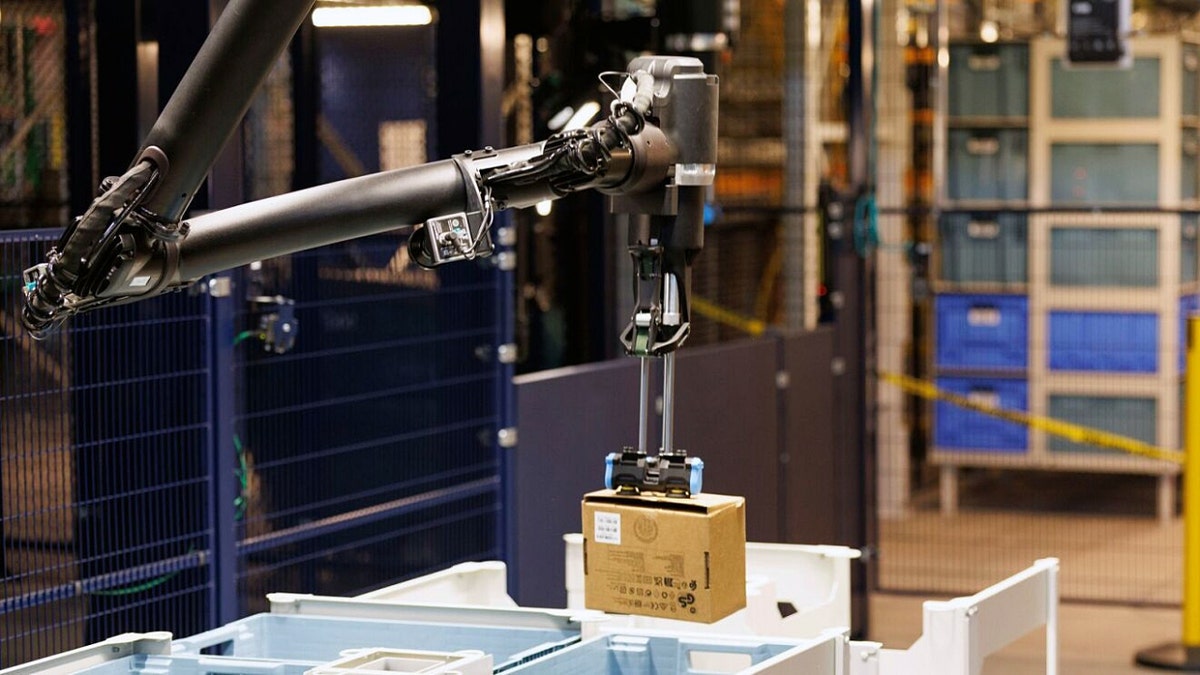
Engineering complexity and high installation costs limited the ease with which Blue Jay could scale within Amazon’s tightly integrated warehouse system. (Amazon)
From LVM to Orbital: a strategic shift
Amazon’s next step focuses on a new warehouse architecture called Orbital. Unlike the old local vending machine model, Orbital is modular. It can be built from smaller units and deployed more quickly in different configurations.
This flexibility matters. Retail is fragmenting. Customers expect same-day delivery from urban centers, local stores and even grocery stores. Orbital could allow Amazon to place micro-fulfillment centers behind retail stores, including Whole Foods locations. This would help it compete more directly with Walmart, which already has a strong footprint in the grocery sector.
Alongside Orbital, Amazon is developing a new robotic system called Flex Cell. Unlike Blue Jay’s ceiling mount, Flex Cell should rest on the floor.
This small design change signals something bigger. Amazon appears to be moving from massive centralized automation to smaller, adaptable systems designed for the unpredictable realities of local retail.
What this means for your deliveries
If you order from Amazon regularly, you may wonder if this affects you. In the short term, probably not. Your packages will still appear. Same-day and next-day delivery remain key priorities. However, the long term story is more interesting. Amazon’s robotics strategy determines how quickly your order arrives, how much you pay, and how local warehouses operate in your community.
If Orbital is working, you might see:
- Faster delivery from smaller neighborhood centers
- Better management of refrigerated and perishable products
- More automation in retail backrooms
If difficulties arise, same-day expansion could slow down or become more expensive. This tension reflects a broader truth about AI. Writing code is one thing. Teaching a robot to lift boxes in a real warehouse without breaking down is another.
AI TRUCK SYSTEM PAIRS BEST HUMAN DRIVERS IN A MASSIVE SAFETY SHOWL WITH PERFECT SCORES
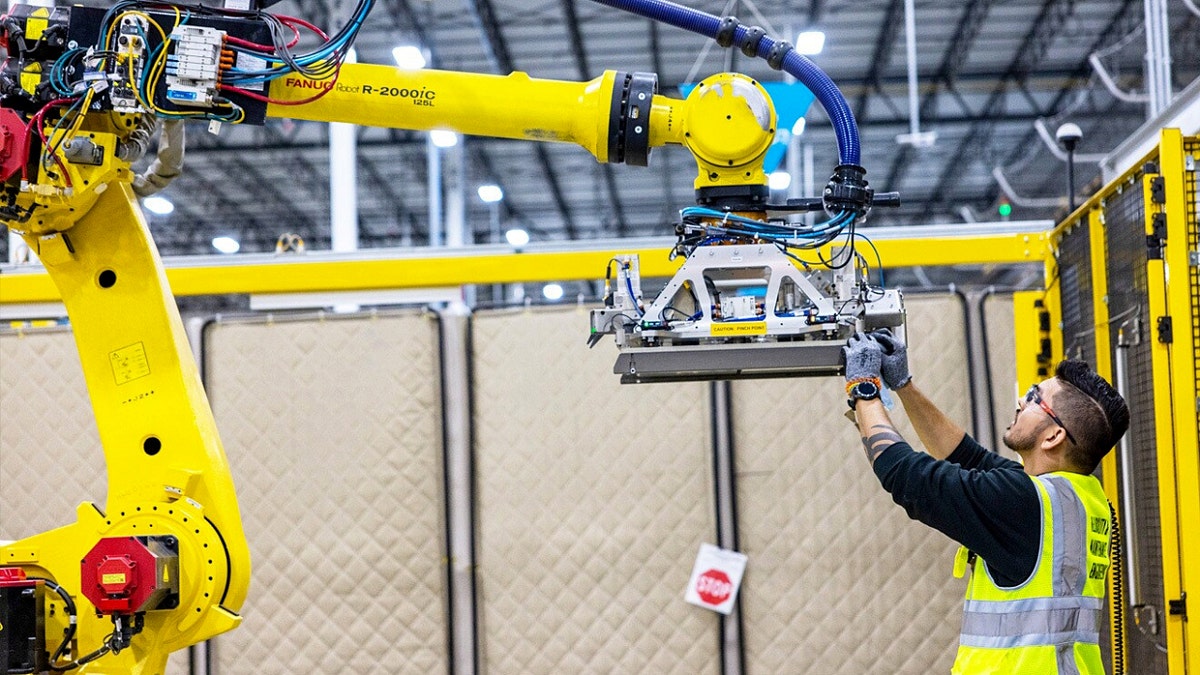
After just a few months, Amazon abandoned the Blue Jay program while continuing to reuse some of its underlying robotic technology. (Amazon)
The gap between AI hype and hardware reality
Blue Jay highlights a growing divide in the tech world. AI in software is evolving at lightning speed. Chatbots, image tools and predictive systems are evolving every week.
The material is different. Robots must cope with gravity, friction, heat and unpredictable human environments. Every mistake has a physical cost.
Amazon’s course correction shows that even tech giants reach limits when translating AI advances into mobile metal. This is not to say that automation is slowing down. That means the road ahead is bumpier than the headlines suggest.
Take my quiz: How safe is your online security?
Do you think your devices and data are truly protected? Take this quick quiz to see where your digital habits stand. From passwords to Wi-Fi settings, you’ll get personalized analysis of what you’re doing right and what needs improvement. Take my quiz here: Cyberguy.com.
Kurt’s Key Takeaways
Amazon putting Blue Jay on shelves is not a takedown of robotics. It’s a recalibration. The company is betting that modular and flexible systems will appeal to massive, tightly integrated machines. This shift could define the next era of e-commerce logistics. For you, the promise remains the same: faster delivery, better availability and more local convenience. But behind this promise lies a complex dance between AI ambition and real-world constraints.
If even Amazon is struggling to operate advanced robots at scale, to what extent is the AI revolution still a vision rather than a reality? Let us know by writing to us at Cyberguy.com
CLICK HERE TO DOWNLOAD THE FOX NEWS APP
Sign up for my FREE CyberGuy Report
Get my best tech tips, urgent security alerts and exclusive offers straight to your inbox. Plus, you’ll get instant access to my Ultimate Scam Survival Guide – free when you join my CYBERGUY.COM bulletin.
Copyright 2026 CyberGuy.com. All rights reserved.
Related article