India’s Pronto formalizes house help as its valuation jumps 8× in under a year

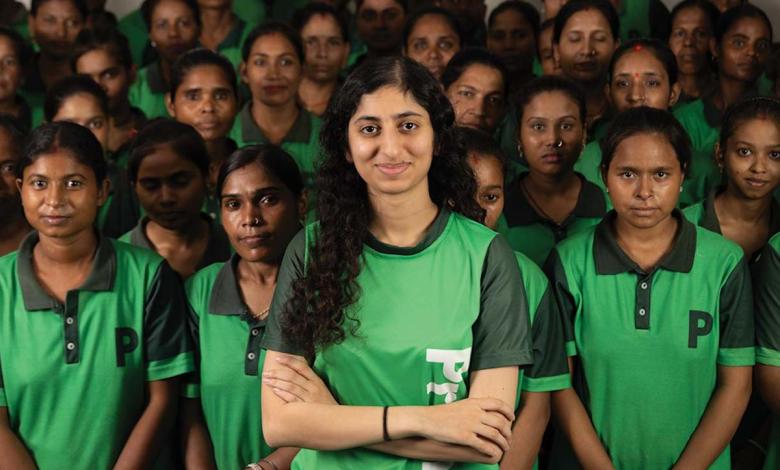

Bangalore-based Pronto is helping bring India’s largely informal domestic help market online. As daily bookings increase and the city’s footprint expands, investors are opening their wallets.
The startup announced Tuesday that it had raised a $25 million Series B round led by Epiq Capital, valuing the nine-month-old company at $100 million. That’s more than double its $45 million valuation in August 2025 and more than eight times the $12.5 million level when it came out of stealth in May. Existing investors Glade Brook Capital, General Catalyst and Bain Capital Ventures also participated, bringing the total funding to approximately $40 million.
Pronto offers fast, structured services for everyday tasks – from cleaning utensils to cleaning – promising trained and verified professionals on demand.
The startup says it can dispatch workers in about 10 minutes to many of its micromarkets (serviced locations in the cities it operates), positioning the service closer to quick commerce than traditional home services. Each worker – who the company calls a “Pro” – undergoes in-person training and background checks before taking bookings, and is assigned structured shifts intended to provide a more predictable income than the informal arrangements common in the industry.
Pronto now handles 18,000 bookings per day, up sharply from 1,000 daily bookings last year, founder Anjali Sardana (pictured above, center) said in an interview. The median time between a customer’s first and second booking is just two days, she added, with the top 10% of the platform’s users placing nine or more orders per month. Sardana said the startup is targeting 70,000 daily bookings by June.
The startup has also rapidly expanded its geographic footprint, from one city to 10 — including Delhi NCR, Bengaluru and Mumbai — and from five to over 150 micromarkets in the last seven months, Sardana said. The bulk of activity, however, remains concentrated in a handful of markets, with the National Capital Region, which includes cities surrounding New Delhi, accounting for about half of total bookings.
Sardana said Pronto has only just begun to tap India’s mostly offline domestic services market, where most hiring still happens through informal networks. “I still believe that 99.99% of this market is completely offline,” she told TechCrunch. “In total, fewer than 100,000 people use a service like this every day, while tens of millions of households rely on offline arrangements. »
Market studies confirm this. The overall home services industry, according to a report by Redseer Strategy Consultants, was valued at ₹5.1 trillion to ₹5.21 trillion (approximately $56 billion to $57 billion) in fiscal 2025. Yet online penetration stood at less than 1% of net transaction value, underscoring how deeply entrenched word-of-mouth channels remain. But the online segment – currently small – is expected to grow at a compound annual rate of 18-22% through 2030, as rising incomes, urbanization and demand for reliability and convenience push more households to try digital platforms.