Spiders May Seem Creepy — but A World Without Them Is Far Scarier


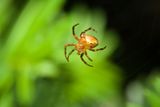
For many, the first reaction they have when they see a spindly spider crawling toward them or descending from the ceiling on a web is to recoil in fear or disgust. The same feelings are usually attributed to other arachnids, such as scorpions.
But even though these creatures may make you jump out of your seat or feel that scary feeling in your back, these species, insects and arachnids, are essential to the survival of our ecosystem. To understand how important these creatures were, especially to U.S. ecosystems, researchers at the University of Massachusetts Amherst examined previous data and discovered major gaps in the data.
Present this information in PNASresearchers are calling for more information and better protection of these tiny but powerful elements of our planet’s health.
“Insects and arachnids are fundamental to human society,” Laura Figueroa, assistant professor of environmental conservation at UMass Amherst and lead author of the paper, said in a press release.
Learn more: Contrary to popular belief, brown recluse spiders are rare in Florida – and serious bites are even rarer
Why are insects and arachnids so neglected?
Fear of insects and arachnids is not irrational, even if they are rather small. Some are venomous and can cause bodily harm, including allergic reactions. However, that doesn’t make them any less important.
“They contribute to pollination and biological pest control; they can serve as monitors of air and water quality, and they have deeply penetrated many crops around the world,” Figueroa said in the release.
If these creatures are so important to our society, why are they so neglected? The resources and priorities for conservation are not always there.
“Many people care about popular charismatic animals on the planet, like lions and pandas, which have rightly received international conservation attention. Since insects and arachnids don’t typically receive the same attention, we wanted to know how they were doing,” Figueroa added.
A limited amount of data
When the research team began examining the data on these crawling organisms, the results were rather discouraging. For the study, the team conducted a conservation assessment of 99,312 species of arachnids and insects in the United States and Canada.
“Almost 90 percent – 88.5 percent to be precise – of insect and arachnid species have no conservation status,” Figueroa said. “We simply have no idea how they are doing. Almost nothing is known about the conservation needs of most insects and arachnids in North America.”
Most of the data the team found focused on aquatic species, such as mayflies, caddisflies and stoneflies, because they are often indicators of water quality. Much of the data went to butterflies and dragonflies, which often benefit from conservation protections.
“Arachnids, in particular, are really missing from conservation; most states don’t even protect a single species. We need more data and protection for insects, but also for arachnids,” said Wes Walsh, lead author of the paper and Figueroa’s graduate student.
A better future ahead
As the team continued to review the available data, they found that many states and regions where the main industries were mining, gas and oil drilling, and quarrying were less likely to have protections against arachnids and insects, while states and regions with a more eco-centric attitude had more protections against the species.
Figueroa hopes that insect and arachnid conservation can become more like bird conservation.
“Research shows that the best conservation efforts are achieved when broad and diverse coalitions come together,” she said. “In the case of birds, it’s hunters, birders, nonprofits, and many other groups who have come together to achieve a common goal.”
From this study, the research team hopes to draw attention to the need to preserve arachnids and insects and fill gaps in current data.
“Insects and arachnids are more than objects of fear,” Walsh said. “We need to appreciate them for their ecological importance, and that starts with collecting more data and considering them worthy of conservation. »
Learn more: This newly discovered parasite looks like a string of pearls around a spider’s neck
Article sources
Our Discovermagazine.com editors use peer-reviewed research and high-quality sources for our articles, and our editors review the articles for scientific accuracy and editorial standards. See the sources used below for this article:


