What we can learn from scientific analysis of Renaissance recipes


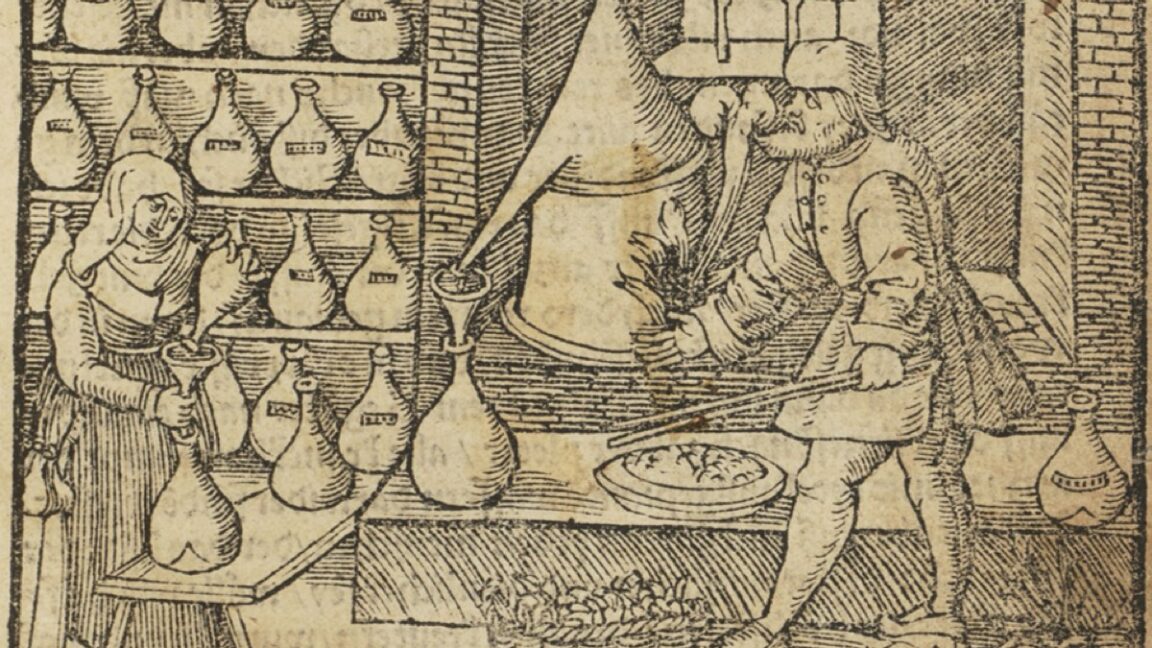
The proteomic results confirmed, among other things, the presence of many popular ingredients used in recipes, such as traces of beech, watercress and rosemary found alongside hair loss remedies – commonly attributed to an “overheating brain – as well as cabbage and radish oil, chicory, lizard and, uh, human feces. “This is a common theme in cosmetic and medical discourse of the time,” Hanss said. “The idea was to look for similarities between the remedies and what we want to achieve in terms of treatment.”
One of the most notable results, according to Hanss et al., was the recovery of collagen peptides from hippopotamus teeth or bones, reflecting the global circulation of more exotic ingredients in the 16th century. Hippo teeth were said to cure kidney stones and “relieve toothache,” and were even used to make dentures.
Hanss et al. also discovered that several of the proteins found had antimicrobial functions, such as dermcidin (derived from human sweat glands), which kills E.coli and yeast infections like thrush. The samples also provided insight into how Renaissance people’s bodies responded to remedies. Traces of immunoglobulin, lipocalin and lysozyme are, for example, indicators of an active immune response.
Hanss is so pleased with these initial results that he hopes to launch a large-scale project to extend this interdisciplinary approach to other medical textbook collections. He also hopes to further improve the dating methodology. “The ingredients for success are there,” Hanss said. “Not only have we found new answers to old questions, but we are now able to ask completely new questions.”
DOI: The American Historical Review, 2025. 10.1093/ahr/rhaf405 (About DOIs).