China Is Turning Up the Pressure on Germany’s Biggest Car Brands

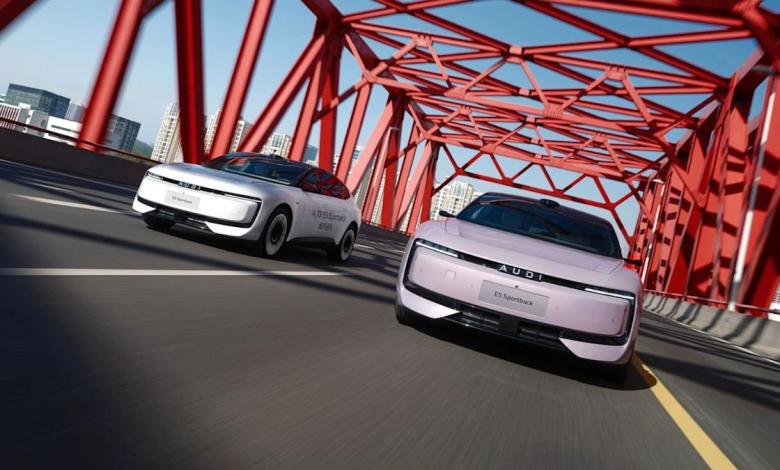

Economic ties between Germany and China have evolved significantly over the past year. As imports from China continued to rise, German exports came under increasing pressure.
According to calculations by the Institute for the German Economy in Cologne, German exports to China fell by around 10% in 2025, while imports from China increased by around 9%.
As a result, Germany’s trade deficit with China widened to around $97 billion. Changing economic relations have also attracted attention at the political level. German Chancellor Friedrich Merz visited Beijing accompanied by senior executives from several major companies to discuss economic cooperation and market access.

This shift has been particularly visible in the automotive sector, which historically represented one of Germany’s most important export industries. Chinese manufacturers increased their shipments of vehicles and auto components to Germany by around 9%.
At the same time, German car exports to China fell significantly. Sales of German vehicles and parts in China fell by around a third in 2025. Researchers at the Cologne institute described the decline as an “implosion in a single year”, highlighting how quickly the market balance has changed.
Looking at a longer timeline reveals the magnitude of the change even more clearly. Over the past three years, German automotive industry exports to China have fallen by more than 54 percent.
In 2022, German automakers exported nearly $32 billion worth of vehicles and components to China. By 2025, this figure had fallen to around $14.6 billion.
During the same period, the automotive sector’s share of Germany’s total exports to China fell sharply, from around 28% to just 16.8%. According to the institute’s data, more than three-quarters of the overall decline in German exports to China is directly attributable to the automobile industry.
Several factors explain this change. The institute’s economists point to the structural disadvantages that German manufacturers face in the Chinese market. China’s state subsidy programs, combined with what some analysts describe as an undervalued currency, have created strong competitive pressure on foreign producers.
At the same time, researchers recognize that Chinese companies have also made major technological progress. Juergen Matthes stressed that China’s progress in areas such as electric vehicle battery production is not solely the result of government policy.


:max_bytes(150000):strip_icc():format(jpeg)/best-anti-chafing-creams-and-sticks-to-prevent-skin-irritation-tout-55882a2d26ab47208b198850a16c91b4.jpg?w=390&resize=390,220&ssl=1 "The 12 Best Anti-Chafing Creams and Sticks of 2026 to Prevent Skin Irritation")