Airfares could rise as Iran conflict disrupts global jet fuel supplies


NEWYou can now listen to Fox News articles!
Airfares could rise in the coming weeks as the Iranian conflict disrupts energy markets and reduces jet fuel supplies, raising costs for airlines and passengers.
Fuel traders are closely monitoring the Strait of Hormuz as disruptions due to US-Israeli strikes and retaliatory Iranian drone and missile attacks could quickly ripple through global oil and gas flows.
About 21 miles wide at its narrowest, the Strait of Hormuz, between Iran and Oman, is a global energy bottleneck. About 20 million barrels of oil pass through the waterway each day, along with about a fifth of the world’s liquefied natural gas (LNG), making it a high-value target when regional tensions flare.
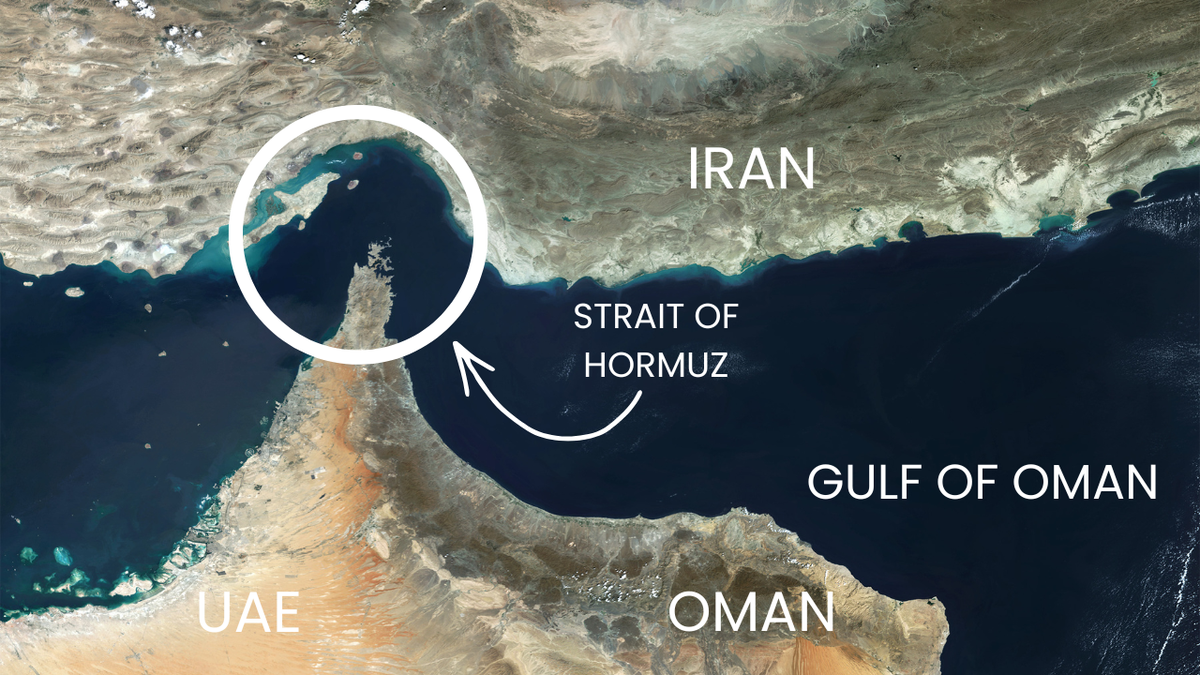
A satellite image shows the Strait of Hormuz, a key maritime passage connecting the Persian Gulf to the Gulf of Oman, vital for global energy supplies. (Amanda Macias/Fox News Digital)
When this energy bottleneck tightens, markets for crude and refined fuels can jump. Jet fuel typically represents one of airlines’ largest operating costs, so even a modest increase can impact ticket prices and fees.
Jaime Brito, an energy market analyst, said distributors and airlines value security of supply enough to pay a premium, so jet fuel is typically purchased in advance under long-term contracts.
Jet fuel can be particularly vulnerable to disruption since inventories are typically thinner and storage requires specialized tanks. Unlike gasoline or diesel, there are very few spot purchases in jet fuel markets, which can magnify price fluctuations when supply tightens.
WATCH NAVIGATION ACROSS THE STRAIT OF HORMUZ STOPPING AT THE CENTER OF THE IRANIAN CONFLICT
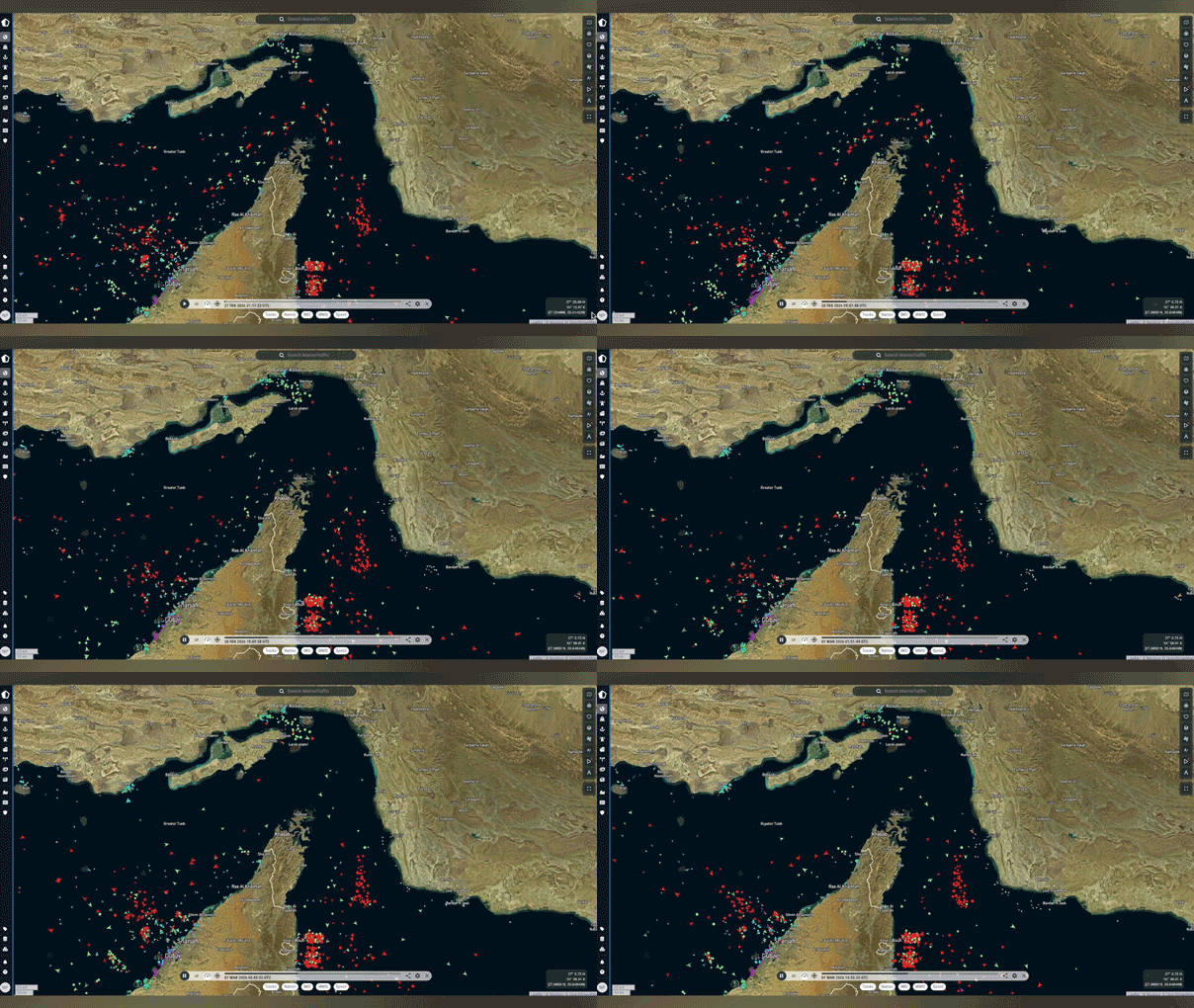
Time-lapse video shows maritime traffic moving through the Strait of Hormuz. (Kpler/Maritime Traffic)
This vulnerability is particularly relevant today, as a significant portion of the world’s jet fuel supply comes from the Middle East.
“According to our estimates, the Middle East exports a total of about 1.1 million barrels per day of jet fuel, or about 17% of global consumption,” explained Brito, executive director of refining and petroleum products at OPIS.
In the United States, the Argus US Jet Fuel Index, a daily benchmark averaging prices in Chicago, Houston, Los Angeles and New York, climbed to $3.88 a gallon on Friday, after hovering mostly between $2 and $2 for weeks.
NEW SATELLITE IMAGES SHOW FIRES AND DAMAGE TO NAVAL BASES ACROSS IRAN AFTER US-ISRAELI STRIKES
Brito said some airports have proportionately higher jet fuel consumption, citing Singapore and Frankfurt, so the concentration and distance of suppliers creates an extra layer of nervousness in the market that is reflected in current prices.
Market concern is already showing in Singapore, Asia’s main trading hub, where jet fuel surged 72% to a record $225.44 a barrel on Wednesday as traders worried about future supplies linked to the Strait of Hormuz.
CLICK HERE TO DOWNLOAD THE FOX NEWS APP
But even if tensions ease in the coming weeks and shipping lanes remain open, fuel contracts, shipping schedules and inventory constraints may keep disruptions and their impact on prices entrenched in the supply chain.
How much passengers pay will depend on the length of the disruption and how much fuel carriers have already blocked through blankets.
Related article