Internet blackouts hit Moscow as the Kremlin tightens restrictions


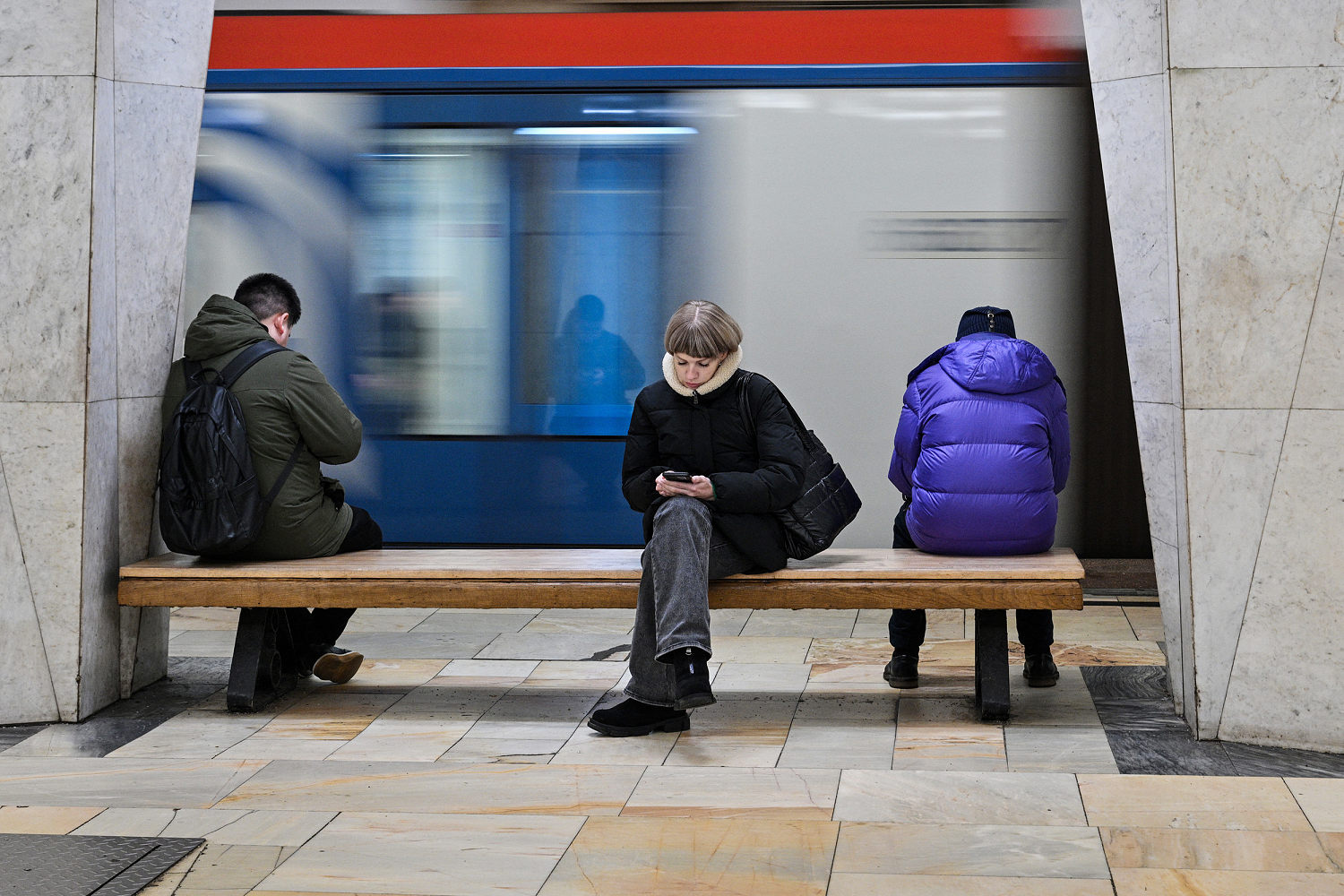
The Kremlin has tried to steer people toward a state-backed alternative known as MAX, created by state-controlled company VK, and some fear it could be used for surveillance.
Moscow residents reported that mobile internet outages in the capital appeared to get worse near the center, although they have since improved.
Lera says she had difficulty using her bank card to pay for meals in the center of the capital and that staying in touch with loved ones proved tricky. “I didn’t realize there was no internet and my loved ones thought something had happened to me,” she said.
She added that she suspected the outages were not about security, but rather were part of a larger ploy by the Russian government “to cut us off from the Internet, prevent our citizens from communicating, and force us to use the government messenger.”
Alexandra, a media worker, said she encountered problems loading videos and media files on Telegram, which she got around by using a virtual private network – one of the only ways Russians can access censored content online.
“Everything worked out really well for me,” she said in an audio message.
His experience appears increasingly rare, as Russian business newspaper Kommersant estimated in a report last week that just five days of outages caused between 3 billion and 5 billion rubles ($37 million to $62 million) in damage to Moscow businesses.
Courier services, taxis, ride-hailing and retail companies were among the hardest hit by the outages, he added, citing a beauty salon manager who said he had to ask his customers to pay in cash because card machines didn’t work without mobile internet on people’s phones. The president of a fitness club association also told the newspaper that people were used to doing everything online and had “stopped picking up the phone”.
Russian newspaper RBC also reported increased demand for walkie-talkies, pagers, landlines and paper maps.


.jpg?width=1200&height=800&crop=1200:800&w=390&resize=390,220&ssl=1 "‘Don’t 9/11 your friends’: Marc Maron, Shane Gillis slam Pete Davidson, Kevin Hart and other stars over Saudi comedy festival")