Maker of Device To Treat Addiction Withdrawal Seeks Counties’ Opioid Settlement Cash


LOUISVILLE, Ky. — In the early 2000s, Michelle Warfield worked in a factory, transporting heavy Ford truck seats on and off an assembly line. To relieve her daily back and hip pain, her doctor prescribed opioid painkillers.
They worked a little. But by 2011, Warfield was having trouble walking.
And “at that point, I was hooked,” said Warfield, who now lives in Shelbyville, Kentucky.
After losing his health insurance, Warfield began buying pills on the street. She tried to quit several times, but the debilitating withdrawal — so severe she couldn’t get out of bed, she says — brought her back to drug use.
Until last year.
Through his church, Warfield learned about the NET device. It’s a cellphone-sized pack connected to gel electrodes placed near the ear that deliver low-level electrical impulses to the brain.
“Once I put the device in, within 30 minutes I had no cravings” for opioids, Warfield said.
After three days of using the device in August, she stopped using drugs completely, she said.
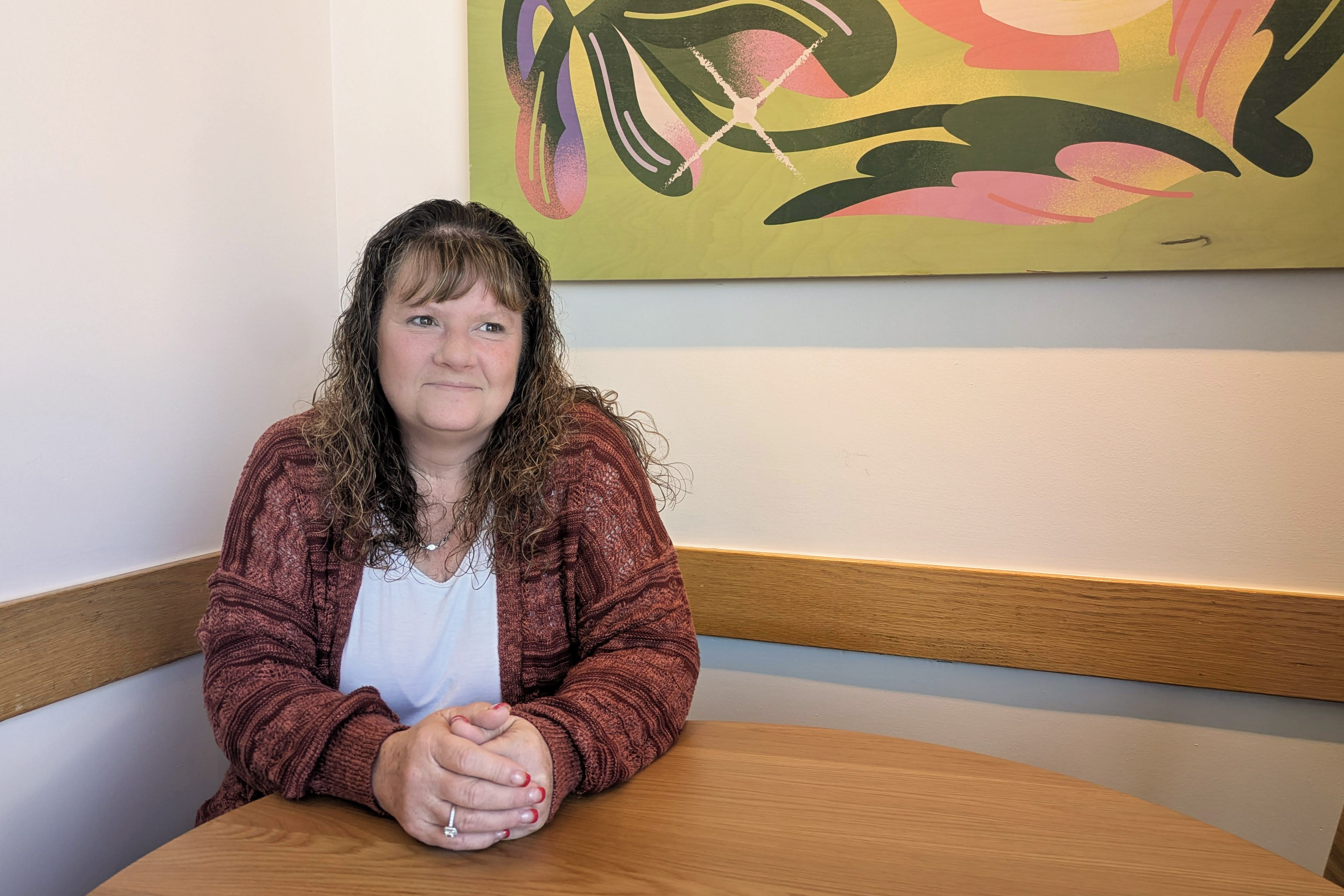
Warfield’s treatment was paid for with his county’s opioid settlement dollars — money from pharmaceutical companies accused of fueling the overdose crisis.
State and local governments across the country receive billions of dollars in opioid settlement cash over nearly two decades and are expected to spend it on treating and preventing addiction.
Warfield wants them to allocate a fair share to the NET scheme, which costs counties about $5,500 per person. The ground is gaining ground. NET Recovery, which makes the device, said it has signed contracts worth about $1.2 million with more than a dozen Kentucky counties and cities.
But some researchers and stimulus advocates say the company’s rapid consumption of opioid dollars raises red flags. They see the NET device as the latest in a series of products that have been touted as the solution to the addiction crisis, preying on people’s desperation and capitalizing on the opioid settlement bonanza. Many of these products — from high-dose overdose medications to body scanners for prisons — have little evidence to support their lofty promises. That hasn’t stopped sales representatives from repeatedly presenting to elected officials or circulating ready-made models to seek settlement for the companies’ products.
In fact, a device similar to the NET called Bridge gained popularity several years ago, receiving more than $215,000 in cash for opioid settlements nationwide. But serious questions were raised about the effectiveness of the study, and the device is currently no longer marketed.
NET Recovery’s activity “fits national trends of these industry cash grabs,” said Tricia Christensen, a national expert on opioid regulations based in Tennessee. The device “could be useful to some,” she said. “But it’s sold as a miracle solution.”
This year, 237 organizations working to end overdoses – including consulting firm Christensen – released a roadmap to guide officials responsible for funding opioid regulations. In it, they called the NET scheme an example of problematic spending on unproven treatments.
Treating Withdrawal or Addiction
The FDA has cleared the NET device for one specific use: reducing drug withdrawal symptoms. She did not approve the device intended to treat addictions.
This is a crucial distinction, said Eric Hulsey, executive director of the Institute for Addiction Research, Education and Training. He co-authored a recent report evaluating the evidence on neuromodulation devices like NET.
“The term ‘treatment’ is confusing,” Hulsey said. “These devices have been authorized to treat opioid withdrawal symptoms, not to treat opioid use disorder.”
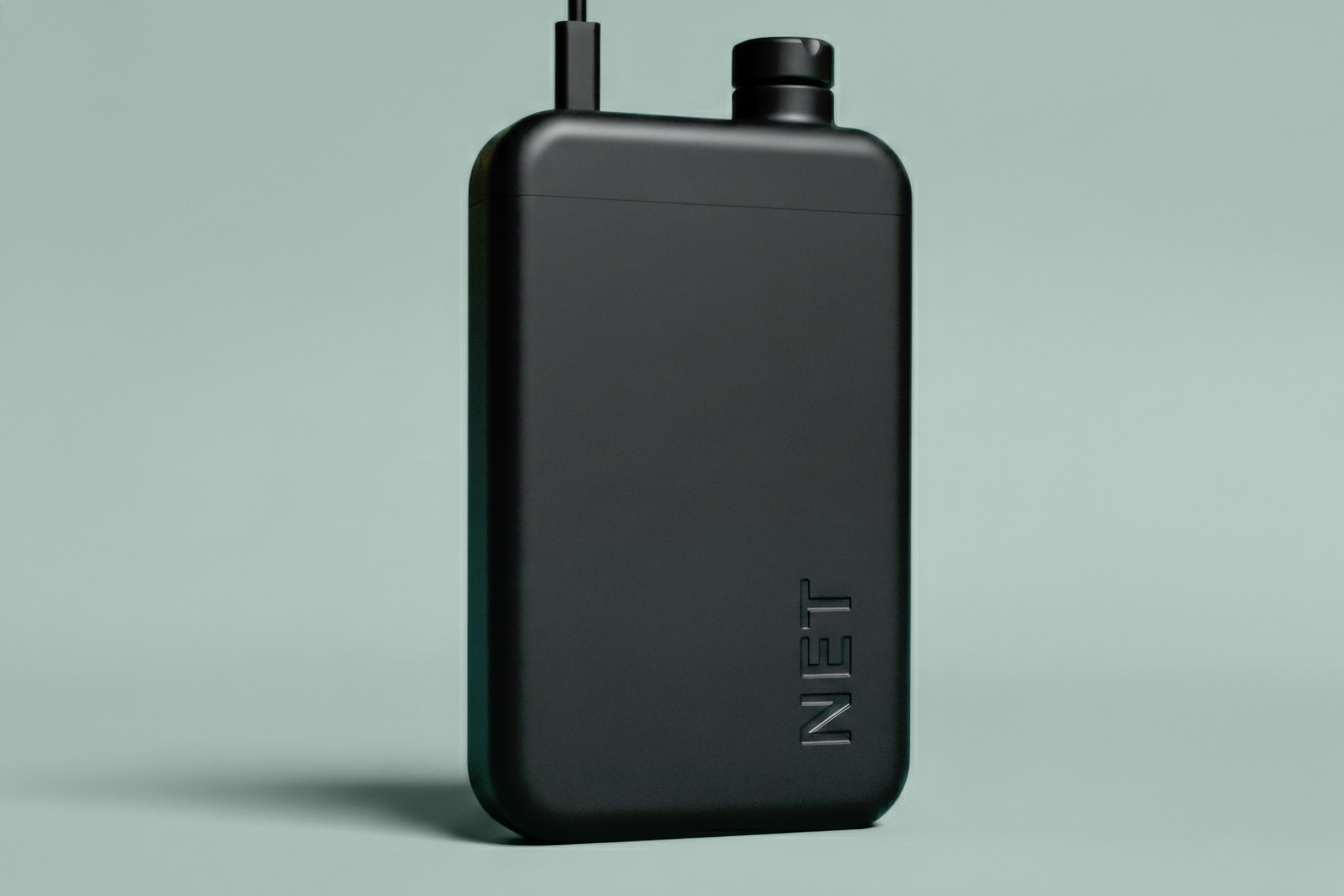
NET Recovery CEO Joe Winston said the company adheres to FDA rules and advertises the device only for withdrawal management. But “we are seeing that doctors are prescribing this product to people for long-term behavior, based on the results of our study.”
He’s referring to an October study he co-authored and funded by the company, in which researchers followed two groups of drug patients in Kentucky for 12 weeks. The first group received the NET device for up to seven days, while the second group received sham treatment.
The study found no significant differences between the groups’ results. Participants who received the NET device were just as likely to use illicit drugs after treatment as those who received the fake one.
Hulsey, who was not affiliated with the study, said the findings are clear: “They didn’t find it to be effective.” »
A subgroup of participants who chose to use the device for more than 24 consecutive hours, however, used illicit drugs less often than other participants.
As the researchers acknowledged in their paper, this subgroup might simply have been more motivated to engage in any form of treatment. The results don’t necessarily show that the device makes a difference, Hulsey said.
Rapid growth
Winston had a different view. He said the success of the subgroup is “intriguing and exceptional.”
So remarkable, in fact, that the company is opening a physical location in Miami this month, where the device will be available to anyone who can pay $8,000 out of pocket. (The cost is higher for individuals than for county governments.) The state of Kentucky also requested opioid settlement funds to conduct a larger research study and aims to introduce the NET device to metropolitan areas such as Louisville and Lexington.
Last year, NET Recovery hired a Franklin County, Ky., magistrate to run its operations in the state. (Magistrates serve as county commissioners.) Kelly Dycus, who is also a mental health clinician, travels to different counties, touting the benefits of the device and encouraging officials to contract with the company.
Her county awarded $75,000 to NET Recovery before she joined the company. Going forward, Dycus said, she would recuse herself from any votes on contracts in her county.
Christensen, the national expert on opioid regulations, called Dycus’ new role “extremely strategic” for the company and a “clear conflict of interest” for a public official.
Give people a choice
More options for people to recover are generally good, said Jennifer Twyman, who has a history of opioid addiction and now works with Vocal-KY, a nonprofit that advocates to end homelessness and the war on drugs.
But settlement funds are limited, she said, and when counties invest in the NET device, it leaves less money to support options like mental health treatment, housing and transportation programs — essential for many people who use drugs.
“People fall through these huge gaps and die,” Twyman said, gesturing to the photos of deceased friends that line his office wall.
She added that people should have the option to take medications such as methadone and buprenorphine – the gold standard for treating opioid addiction. National data shows that only 1 in 4 people addicted to opioids have it.
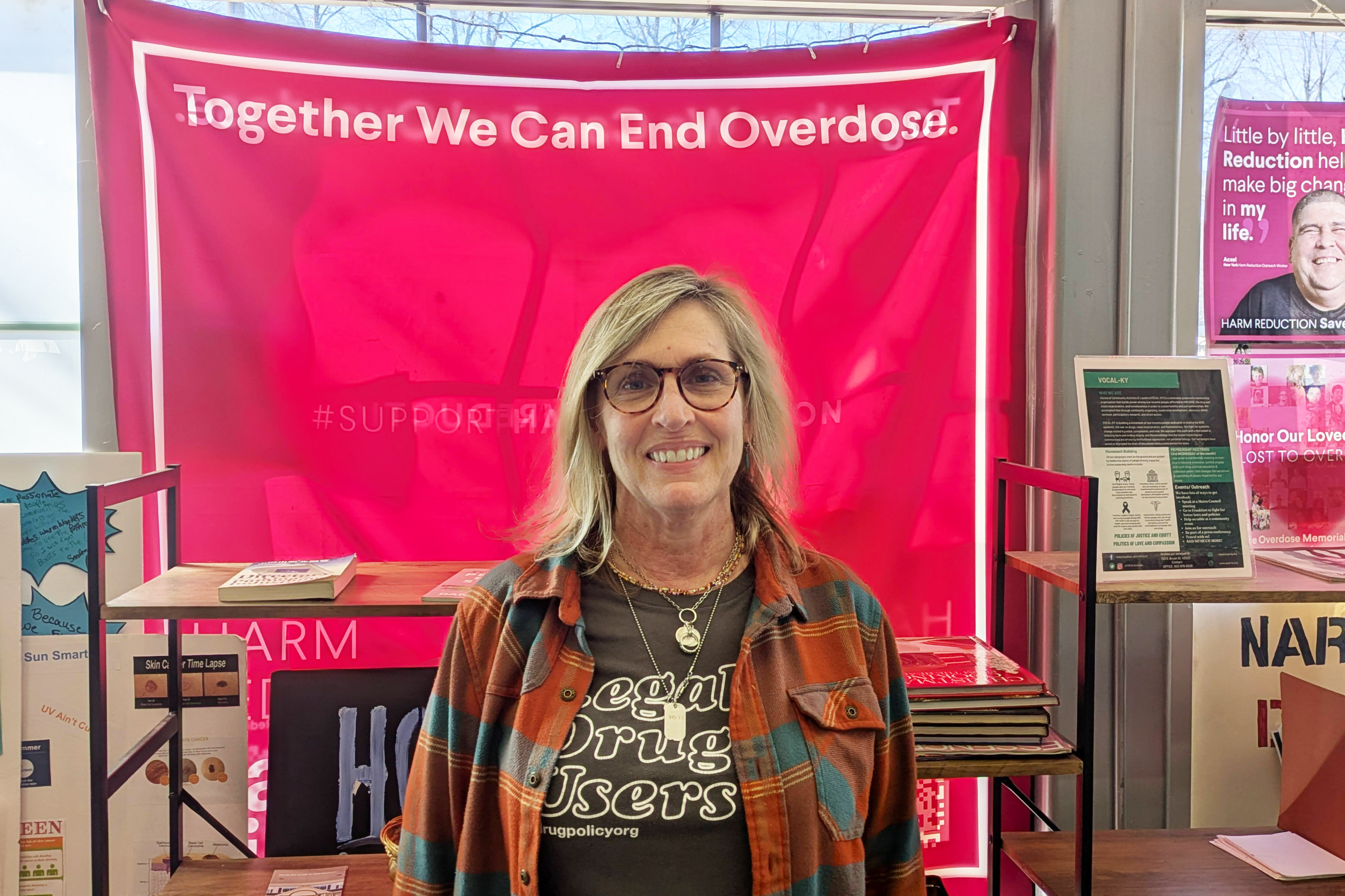
Many people can’t afford to buy them, find a doctor willing to prescribe them or travel to their appointments, Twyman said. There is also discrimination against those who use drugs, with detractors claiming that they are not truly clean or teetotal.
Companies like NET Recovery sometimes rely on this stigma, Twyman said.
For example, in Scott County, Ky., jailer Derran Broyles — whom the company considers one of the chief advocates of its device — told a public meeting to other county officials that drug treatment was simply “exchanging one drug for another.” This is a common refrain among critics that many researchers and clinicians refute.
Winston told KFF Health News that his company supports all types of recovery, but that the NET device can help the “underserved population” of people who don’t want medication.
Mark Greenwald, a longtime addiction researcher, has led studies for NET Recovery and is a consultant for Indivior, a leading producer of opioid use disorder medications. He said he sees value in both approaches. It just depends on who you are trying to treat.
For people who inject drugs or are accustomed to high doses of fentanyl, who are more likely to return to drug use after residential treatment, “I would be hesitant to recommend this device,” he said. Abstinence-based approaches may increase their risk of dying. But for people who are “very motivated to stay abstinent,” the NET system may be a good choice.
“Giving people choices is the right thing to do,” he said.
Community in Recovery
Warfield, who has not used opioids since August, attributes his recovery not only to the NET device, but also to his community.
“It’s not a miracle cure,” she said of the device. “You still have to manage your triggers, but it’s easier.”
She regularly attends individual and group therapy to treat childhood trauma. She found close friends at her church and reconnected with her daughter. She installed a car seat in her vehicle so she could drive her grandson to preschool.
Warfield explained his hope simply that the opioid settlement money reaches others in his community: “I want people to get as much help as possible. »


:max_bytes(150000):strip_icc()/Health-GettyImages-2167521160-68cdddac1a044c75813e2b1a1d173051.jpg?w=390&resize=390,220&ssl=1 "Rash Under Breast: Causes and Treatments")