
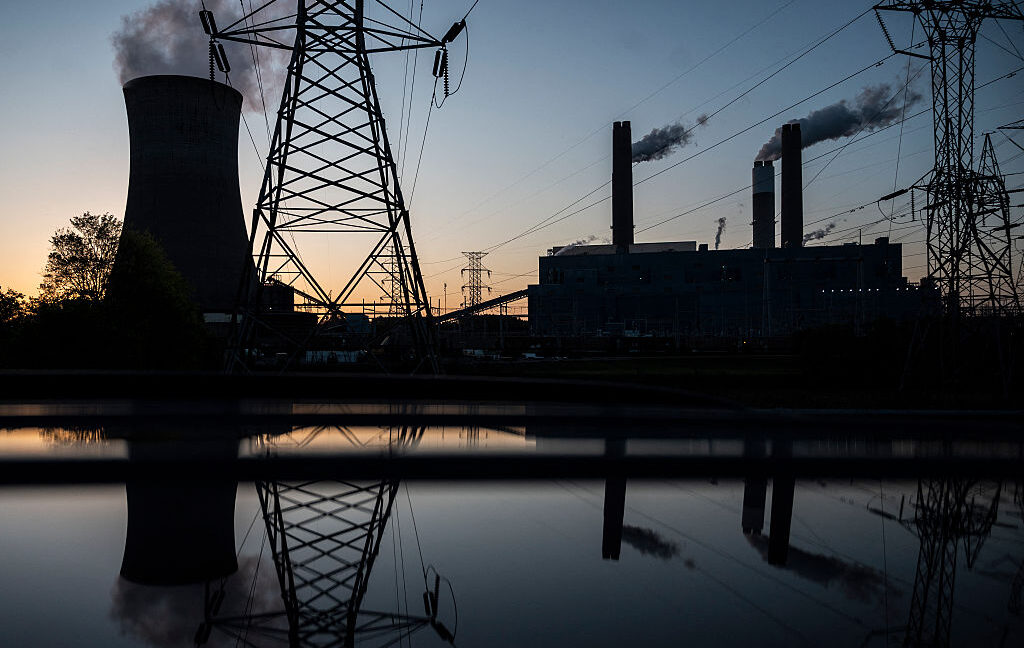
In the US, the economics of coal power generation are marginal at best, and a large number of coal plants have shut down as cheaper renewables and natural gas have surged. The Trump administration has used a number of methods to swim against this economic tide, the simplest of which has been to order plants scheduled for closure to remain operational.
The Department of Energy has used the Federal Power Act and a Trump executive order declaring an energy emergency to block the closure of coal plants nationwide. The orders requiring plants to stay open have been accompanied by a steady stream of triumphal press releases, suggesting that the Department of Energy was taking the step solely to ensure grid reliability.
The latest of these releases, issued on Monday, pertains to a plant in Centralia, Washington, that was scheduled to close last year to be converted into natural gas generation. A Department of Energy emergency order had kept it operational over the winter, but that order was set to expire yesterday. With yesterday’s new order, the plant will remain operational through mid-June. According to the press release, the action was taken “to ensure Americans in the Northwestern region of the United States have access to affordable, reliable, and secure electricity.”
In response, the Environmental Defense Fund checked the generating stats for the area served by the TransAlta Centralia Coal Plant, which is the last remaining coal plant on its segment of the grid. According to Energy Information Administration data, coal contributed just 8 megawatt-hours in January and February, an amount of energy the solar panels on my house can produce in roughly eight months. This, the EDF said, is consistent with the plant simply maintaining the capacity to come back online.


