
Chess is widely seen as a great equalizer. Players from every social, racial, and economic class have squared off across the board for nearly 1,500 years, with victories determined solely by skill and strategy. Unfortunately, the egalitarian foundations of chess are rarely reflected beyond the game itself. During the Middle Ages, for example, many contemporary accounts from both Christian and Muslim societies depicted their opposing side as barbaric, blasphemous, and inferior.
However, recent reexaminations of medieval artwork are complicating these assumptions. After reviewing a range of artwork from Europe and the Middle East, Cambridge University historian Krisztina Ilko believes that chess players on either side of the board were well aware of the game’s capacity to humanize and humble. As she explained in a study recently awarded the Medieval Academy of America’s Article Prize in Critical Race Studies, chess has bridged cultural divides and subverted stereotypes at least as far back as the 13th century.
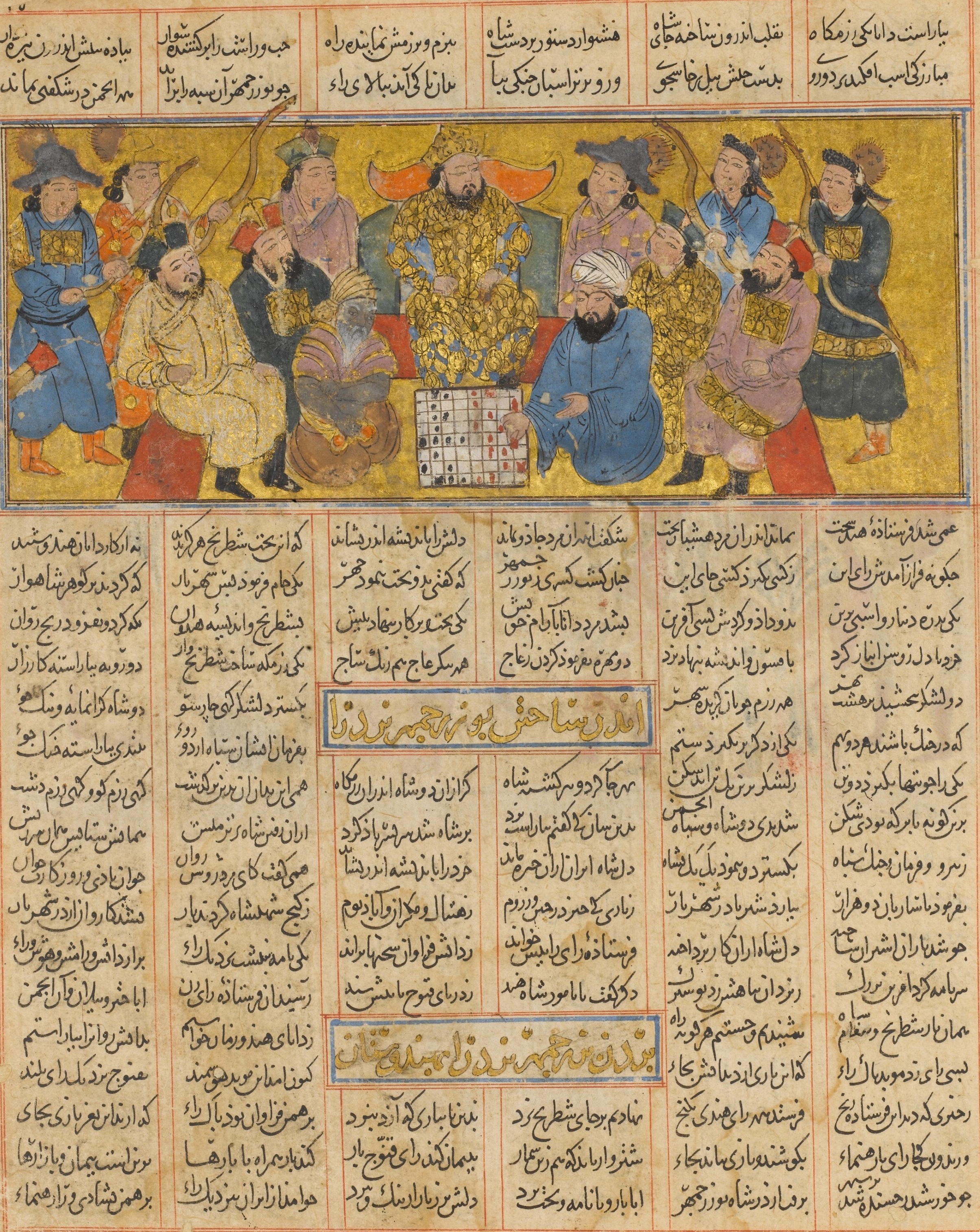
“Medieval sources repeatedly state that chess is war without bloodshed, and that it represents a just world,” Ilko explained in a statement. “Chess was a powerful vehicle for people hailing from widely different places, even civilizations, to interact with each other. It was an intellectual exchange.”
Some of the most prominent examples are found in the Libro de axedrez, or Book of Games—a manuscript commissioned by King Alfonso X of Spain in 1283 CE. In the manuscript, dozens of illustrations in it showcase non-white players from Asia, Africa, and the Middle East holding their own against their European opponents. One scene features a Muslim and a Jewish player playing chess, while another reveals four Mongols peacefully enjoying a match. These are far cries from how such groups are described in other Eurocentric artifacts.
“When people with non-white skin color are depicted in medieval images, scholars have tended to see them in either exalted or subdued positions. So you get the Queen of Sheba at one extreme, and executioners and other malignant forces at the other,” said Ilko. “Chess reveals a different, more complex story.”
Medieval rulers like King Alfonso were almost certainly keenly aware of the real problems these reductive stereotypes caused. Europe had famously fallen behind in science advancements by the Middle Ages, and the Spanish ruler’s court purposefully sought out and translated Islamic math, astronomy, and medical knowledge. These interactions inevitably led to chess games—and presumably, a lot of losses for Spanish diplomats. Of the 103 chess problems shown in Libro de axedrez, 88 are based on Muslim play styles.
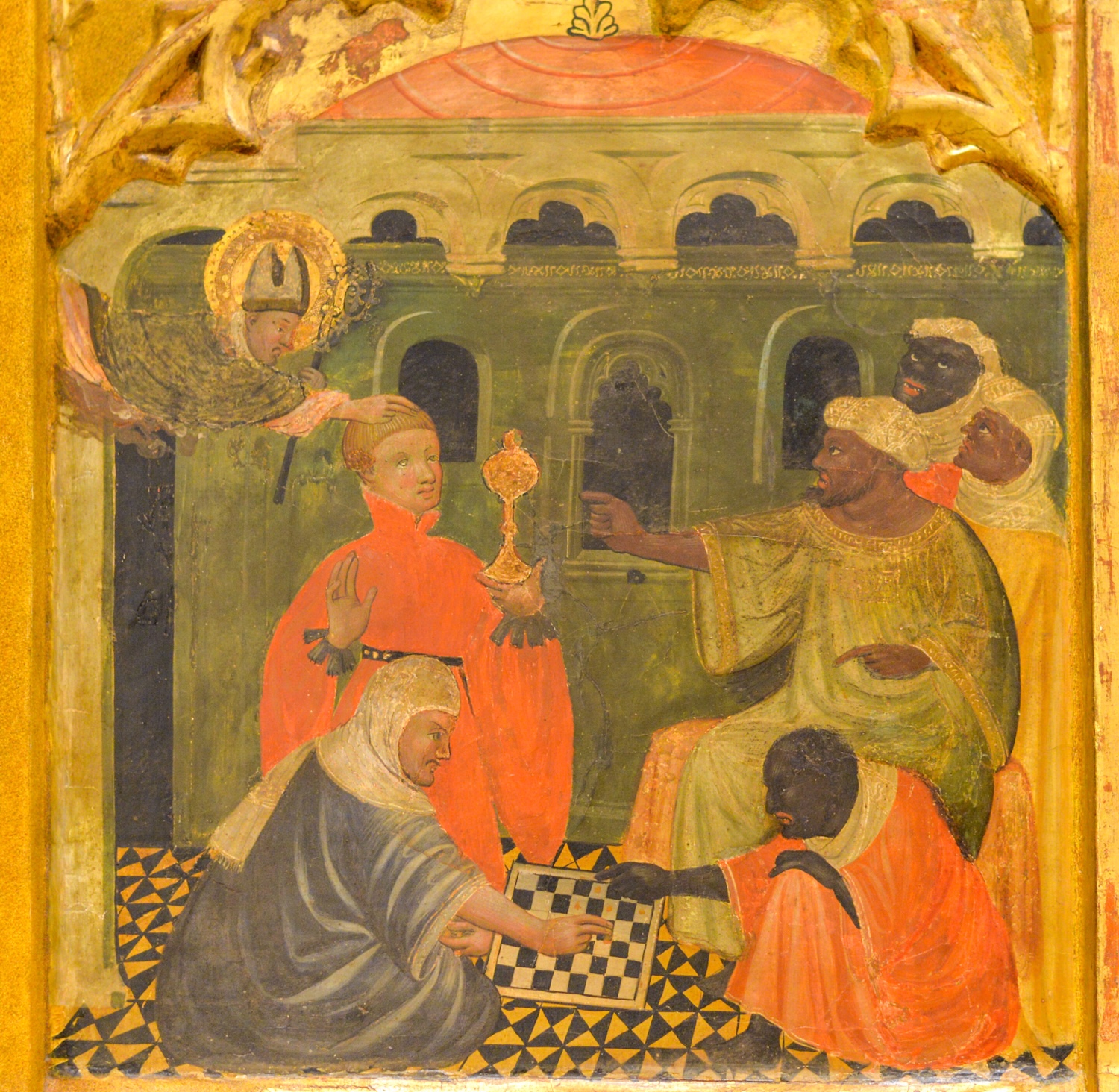
Another example is visible in a late 14th century Spanish altarpiece dedicated to Saint Nicholas of Myra. The scene takes place in a Muslim court between a dark-skinned king and a light-skinned thief. Ilko argues that the players’ respective physical features challenged the prevailing European system that emphasized whiteness. She believes that these depictions along with many other examples show the importance of chess throughout generations—not only as a fun strategy game, but as a way to break down societal barriers.
“Chess was and remains a game of logic, where intellectual prowess matters. Chess operated on a different plane where people could engage with each other as equals, irrespective of their skin color,” said Ilko. “What mattered was ‘who’s smarter?’ [and] ‘who can win?’, not ‘who’s more powerful or socially superior?’”

2025 PopSci Best of What’s New


