Vivaldi’s new auto-hide browser UI, tested: So fresh, so clean


Summary created by Smart Answers AI
In summary:
- PCWorld is testing Vivaldi 7.9’s new UI auto-hide feature, which allows users to hide browser elements such as the address bar and bookmarks for a cleaner interface.
- The update introduces tracking tabs for better organization by grouping related links in a tiled format, and allows the Mail Composer to function as a separate window.
- These innovative features provide improved customization and tab management, although users may need time to adapt to the new interface options.
With Vivaldi 7.9, the Scandinavian browser company makes a good point: do you really need to see all the visual content in a browser, all the time?
Vivaldi is launching autohide UI, a new feature available in the free web browser in an upgrade available today. Basically, it takes everything you don’t have always you need to look at it, like address bar, bookmarks and side panel, and hide it automatically. It does to the browser what a Windows option does to the taskbar at the bottom of your screen, optionally hiding it if selected.
You will have to enter the Vivaldi Settings menu, then navigate to Appearance tongue. You will then have the possibility to turn virtually everything, or specific elements: the tab bar, panel, address bar, status bar and bookmarks. You can also set this behavior as default when opening a window in full screen mode.
This doesn’t mean the UI is disappearing forever. It’s just hidden, so if you drag your mouse to the edge of the screen, everything reappears. I tried the update, and the concept of hiding my browser tabs is a bit disconcerting, so I think I’ll leave them. I’m not sure if I should hide the URL bar, which also serves as a search box in most browsers.
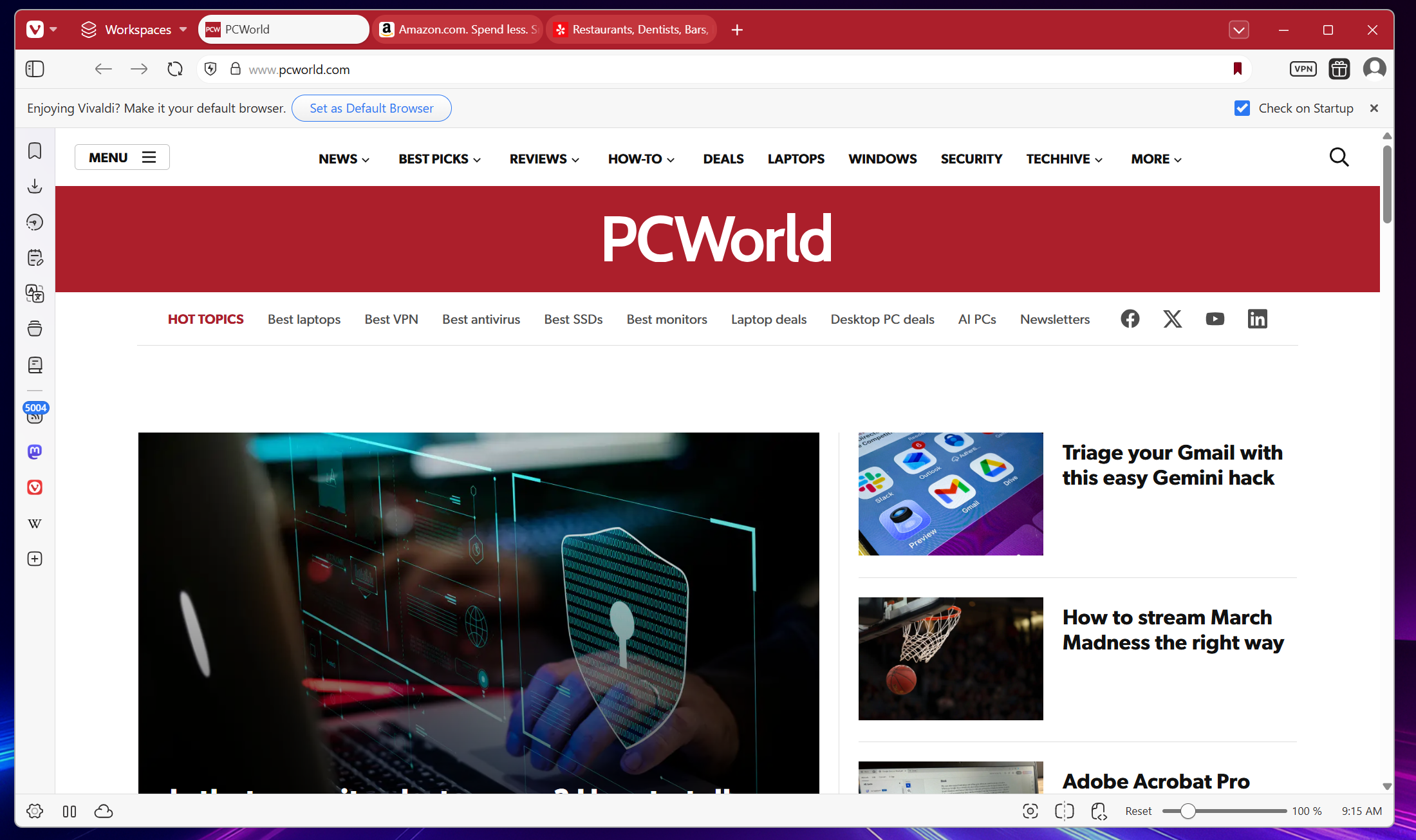
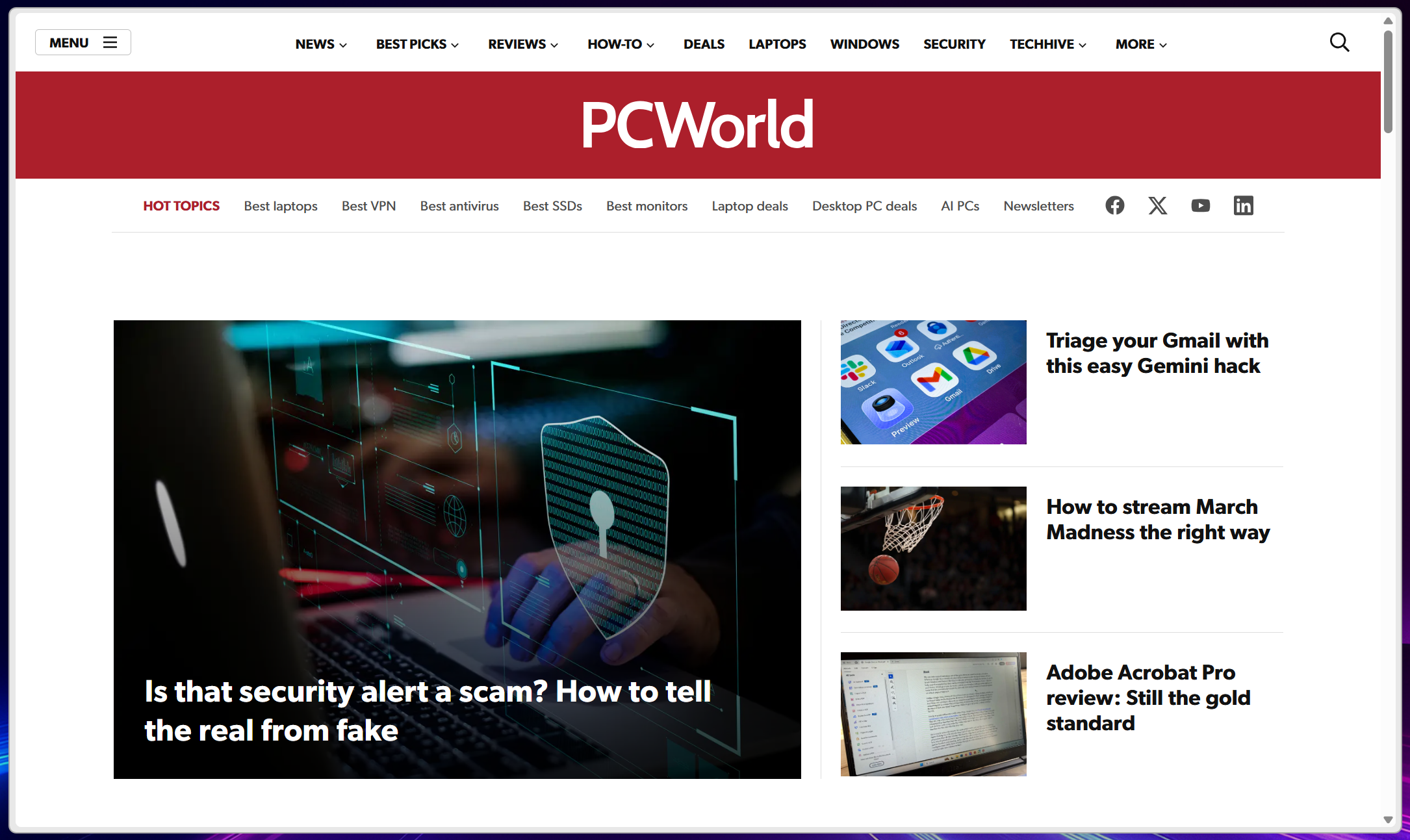
Vivaldi’s new feature takes this to the extreme, even though you’ve been able to hide the bookmarks/Favorites item in Edge for years now. In 2023, Arc Browser also announced Boosts, which made it possible to manually remove elements from a website, such as the element that displays YouTube Shorts on YouTube. You’ll probably have to take some time to get used to the new features, but it’s just one of the smart feature additions that Vivaldi has added to its latest iteration of its browser.
The other feature I’ll have to play with is tracking tabs, which are just another variation of a problem that Vivaldi and other browser makers continue to struggle with: You have a single tab, and then you click a link on it. You then click on another, then another. Suddenly you find yourself with a row of tabs with no rhyme or reason, and you can’t follow the path back to the original page.
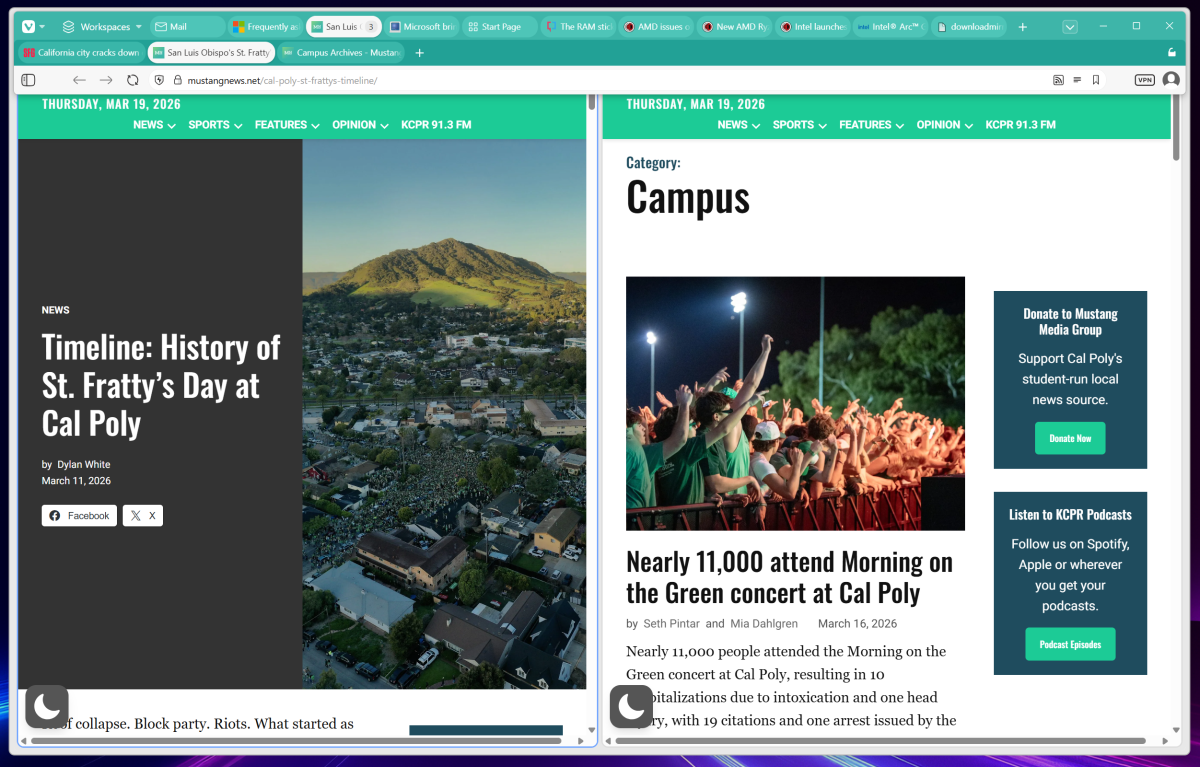
When you right-click a link in Vivaldi 7.9, you have the option to open a “tiled tracking tab”, which opens the page in a thumbnail to the right of your existing tab. It also drops the tab and all subscribers into a second row of tabs at the top of your screen.
I’m a little less impressed with this feature, only because it doesn’t seem completely baked. Opening a tab, then a follower tab, makes sense. But when I opened a third tab, I expected it to appear in a collection of thumbnails, or perhaps just in a row of tiled windows with a scrollbar at the bottom. Unless I misused the feature, this didn’t happen. I like how the original tab and all subscribers appear in the extra row of tab bars. However, this is another good reason to leave these tab bars visible and not hidden via the UI’s auto-hide feature.
Mark Hachman / Foundry
Finally, Vivaldi 7.9 can now treat the Mail composer as its own window. Again, this is a helpful little tweak.
Vivaldi gained fans at PCWorld; I use a dual browser setup with Vivaldi and Edge, particularly for Vivaldi’s built-in RSS feed reader but also for other reasons. However, this is not to say that Vivaldi also lacks criticism. Maybe this can work on a better sync experience, next?


