From a 1979 idea to the MacBook Neo, how Apple made color a computing advantage


With its new $599 MacBook Neo, Apple is moving into a more competitive part of the laptop market, taking on budget Windows machines and Chromebooks.
It’s a clever move designed to attract shoppers who want something different without breaking the bank during these uncertain times.
While a truly affordable MacBook is something new for Apple, the tech giant is relying on a familiar trick that has worked well before. The MacBook Neo arrives in Silver, Blush, Citrus, and Indigo, transforming a laptop into something you choose based on your personal taste as much as your specs.
Article continues below
Walk into any electronics store and you’ll see rows of gray, black and silver laptops all mixed together. With the colorful Neo, Apple is selling buyers a simple idea: Your laptop doesn’t need to look like everyone else’s.
Although there are many laptops in different colors, most come in neutral, safe finishes. Last year, Lenovo surprised buyers with a ThinkPad that moved away from its traditional black, but not into a rainbow world – with its revolutionary white version.
Any color…
In this respect, computers have a lot in common with cars. Henry Ford said customers could have their motor vehicle any color they wanted, as long as it was black, and for decades computers followed a similar path (although for desktops the color of choice was primarily beige).
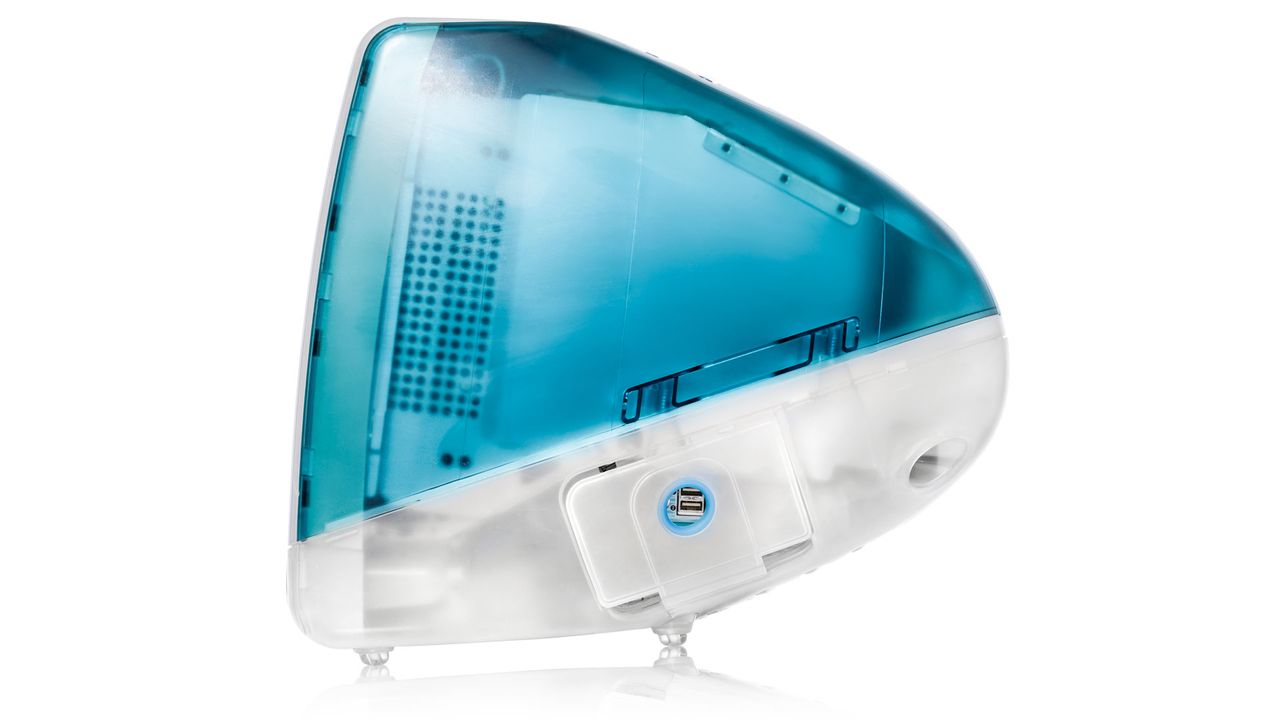
Apple has long been one of the few companies to consistently oppose this, most notably in 1998 with the launch of the iMac G3, or simply iMac as it was first called. He arrived shortly after Steve Jobs returned to the company, when Apple was struggling and needed clear direction. The iMac was one of the first major products of this new era, designed to make computing simpler and more accessible.
With its launch, Apple not only introduced a new computer, it visually rejected everything that had come before it. Next to the usual beige PCs, it looked like something from another era.
The translucent Bondi Blue design made the machine approachable and personal. It wasn’t about hiding what it was, but about showing it.
At first, reactions were inevitably mixed, not just because of the unusual color or shape, but also because the product was so different from everything else. There wasn’t even a floppy disk drive, which was considered essential then.
People didn’t know what to think of it, but the simplicity, emphasis on quick connection, and bold design helped it stand out in a crowded market.
This change has paid off, with strong sales and a wave of new users. Apple sold nearly two million iMacs in its first year, and it became the best-selling computer in America and one of the best-selling computers in history.
Pick your own fruit (colors)
Building on this success, Apple expanded the G3 to a full palette of “fruit” colors, including tangerine, grape, lime, strawberry, and blueberry.
Over time, the range expanded further, with shades like graphite, indigo, ruby and patterns like Flower Power and Blue Dalmatian. Apple has made color a defining element, not just a cosmetic option.
You can see this continued in later products, from iPods to iPhones, where color became a way to differentiate models and appeal to different tastes. Even today, Apple remains one of the few major companies to offer multiple color options across almost its entire lineup.
Interestingly, the idea of colorful Apple computers goes back even further than the iMac G3. Two decades earlier, a 1979 IT world The article covering Apple’s planned move into education includes a short but telling line. He notes that some Apple systems “will be available in full color and will be tamper-proof,” a statement that proved far ahead of its time.
Color existed before Apple gave us the computer that transformed its fortunes, but it wasn’t common. In the early 1990s, Silicon Graphics introduced machines like the Indigo and Indy in bright indigo and bright teal finishes, but these were high-end systems aimed at specialists rather than everyday users. The color of their cases did not define the products or significantly influence purchasing decisions.
The MacBook Neo fits directly into this story. It’s not just a cheaper laptop, it’s the continuation of a colorful idea that started almost half a century ago.
Follow TechRadar on Google News And add us as your favorite source to get our news, reviews and expert opinions in your feeds. Make sure to click the Follow button!
And of course you can too follow TechRadar on TikTok for news, reviews, unboxings in video form and receive regular updates from us on WhatsApp Also.


