I use Windows 11 every day. These 6 issues need fixing ASAP


Summary created by Smart Answers AI
In summary:
- PCWorld identifies six critical Windows 11 issues requiring immediate solutions, including inconsistent user interfaces, intrusive OneDrive backups, and forced Microsoft account setups.
- These issues significantly impact user experience due to fragmented design elements, automatic data synchronization that exceeds storage limits, and reduced privacy control.
- Microsoft has acknowledged these issues and is committed to making improvements, but users need better local account options and less intrusive feature notifications.
Give credit where credit is due: Microsoft acknowledged some of its biggest problems last week, hat in hand. But it’s time to jump headfirst into this new atmosphere of openness and encourage Microsoft to take even more action.
Yes, maybe Microsoft has enough on its plate at the moment with its commitment to fixing Windows’ problems. But there is still more to do. Here are six quick suggestions that come to mind without much thought.
Did I miss something? Tell me, of course, but contact Microsoft yourself!
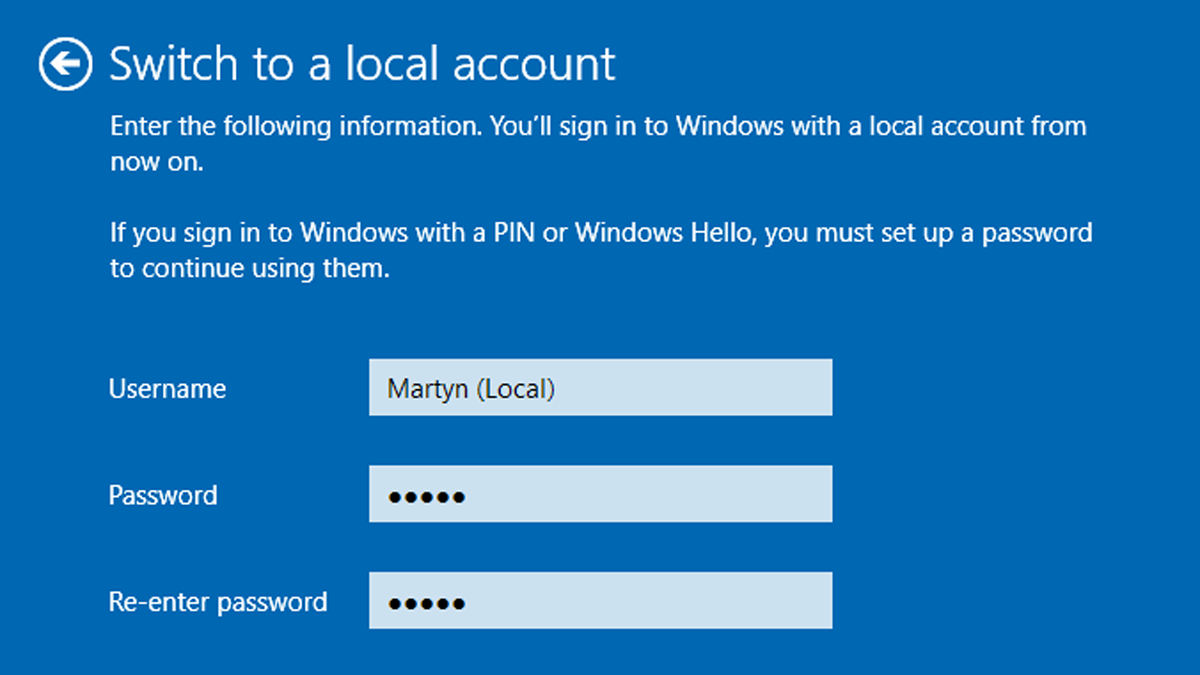
Bring back local accounts
You simply won’t escape it, Microsoft. Anonymity and privacy are more important than ever, and the last thing some users want is to have to link to a Microsoft account. PCs are personal and there’s really no reason why Microsoft needs to know everything about you.
Foundry
Whenever I install a new PC, I always configure it as a unique, individual device. If I need something on another PC, I can quickly get it from that computer or from the cloud. Applications can be configured via WinGet or simply downloaded and installed. I’m aware that Microsoft wants to make my life more efficient and sync me up with its services, but that’s not always how I feel. Regardless, testing a PC is complicated by data synchronization. I often like to have a machine that I control, and Microsoft accounts complicate that.
OneDrive and Windows Backup need to relax
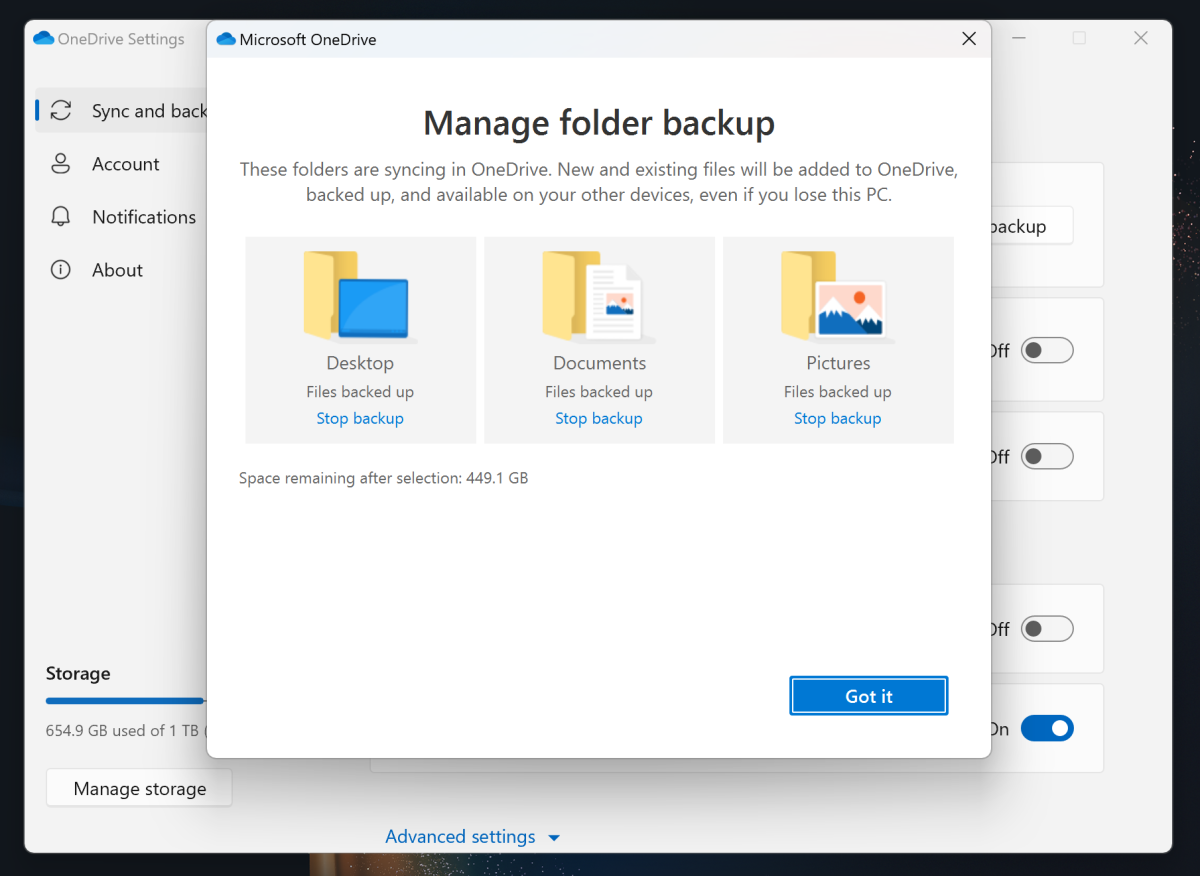
The worst part of linking a PC to an account is OneDrive. I can’t tell you how many times OneDrive tries to grab everything from my PC’s desktop, backing up hundreds of gigabytes to the OneDrive cloud – which, of course, Microsoft wants you to end up paying for. I’ve complained before that Microsoft is behind the times by only offering a measly terabyte of cloud storage. Don’t you think it’s time for a change?
Let’s not get distracted, though. Users should be able to pause, stop, or otherwise delete OneDrive – and these preferences should persist after the PC restarts. I like the ability to store my data in the cloud, PC to PC. But OneDrive is not shy. While we’re at it, could we get some deduplication or storage analysis tools to help us clean everything up?
Mark Hachman / IDG
Besides, my out-of-the-box experience is constantly marred by fighting OneDrive’s cousin, Windows Backup, which wants to restore other apps and data transferred from a previous machine via the OneDrive cloud. I can see what Microsoft is doing here. For an average user, migrating from one PC to another do require data to be transferred from one PC to another, and a tool to do this makes sense. But…
Make sense of Windows 11 Pro
More than half of the PCs I encounter on my desktop include Windows 11 Home. Some include Windows 11 Pro, but I rarely notice it. For what? Nothing on a Windows 11 Pro operating system signals that it is a Windows 11 Pro operating system. And it’s possible!
Windows 11 Pro could host local accounts. It could be a lighter, thinner, utility-focused operating system with better controls for managing operating systems. A “Pro” PC should not be aimed at an IT department, but at an enthusiast with greater freedom to tinker and adjust. A Windows 11 Pro PC already includes Windows Sandbox, a solidly professional feature. But follow my thinking here: sandbox…isolation. Until now, the Sandbox has been used to protect the PC against malware and questionable sites on the Internet.

Mark Hachman / IDG
But Microsoft, you talked about this concept of agentic AI. Why not code agent support into a “Pro” version, and offer sandbox protection, to boot? Think about it.
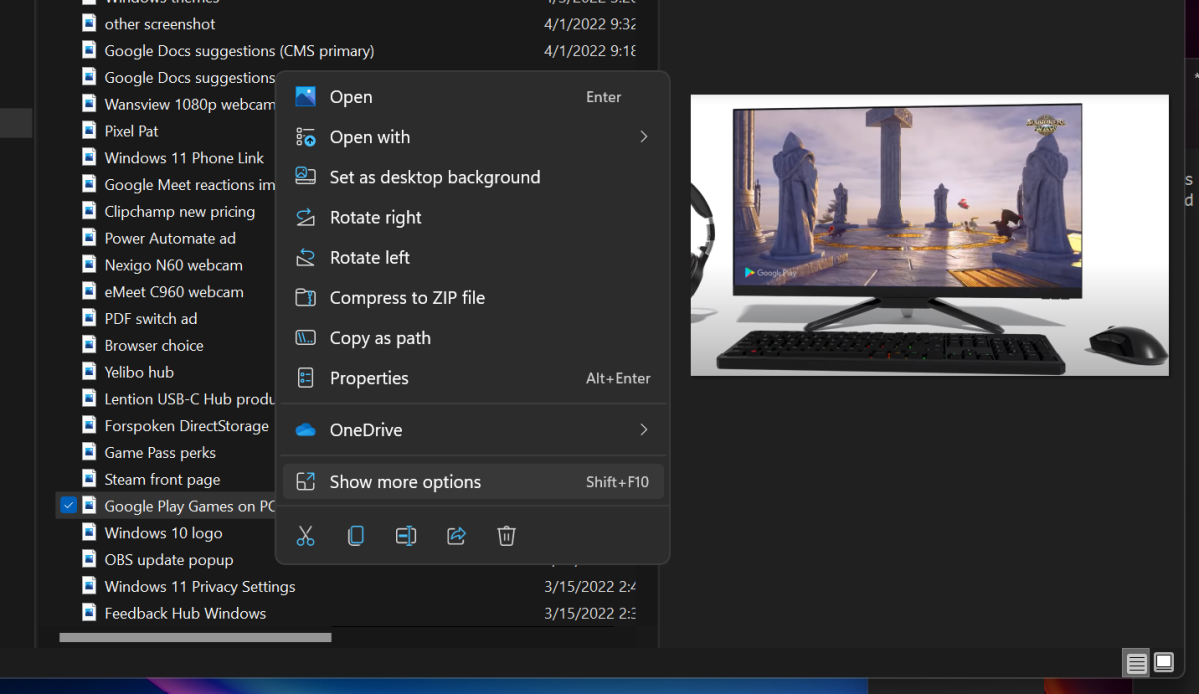
I mean, come on. How many screens does a context menu actually need? You can surely change them into something manageable, just like coding a taskbar that can be placed at the top of the screen.
Seriously, it’s like Trap Or Adventure or another Atari 2600 game where you move from screen to screen. At one point, you almost expect a pixelated dragon to burst in and swallow your cursor.
Mark Hachman / IDG
User interface consistency
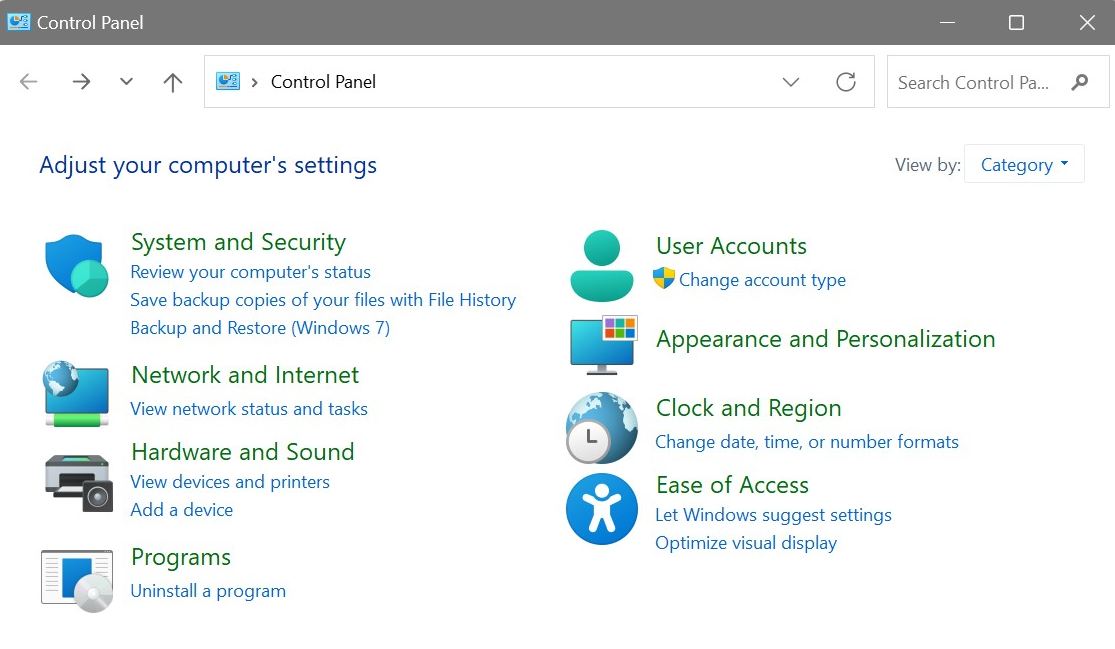
Maybe this one is a bridge too far. Windows always start with a crisp, bright, clean surface. But then you grab your rope and your 10-foot pole and start descending, into the Control Panel, into the file properties menus, deep into the network utilities of the last century. Your torch starts to flicker… what’s hiding in the dark? Wow! Windows 8 user interface??
Ultimately, Microsoft will need to establish functional and aesthetic consistency throughout Windows, not just the parts seen by ordinary users. The WinUI3 framework, outlined in Microsoft’s plans to make Windows faster, appears to offer an indication of how Microsoft might achieve this. I hate to suggest (gulp) automating it via AI, but something needs to be done.
Thiago Trévisan / IDG
Ads need to go
Let’s assume that Microsoft will actually reduce the amount of Copilot Copilot Copilot that we see in Windows. That still leaves ads.
I’ll be honest: I’ve said before that it’s beneficial for users and Microsoft to keep users informed of what’s new. Informing users about a new feature is a good way to allow them to explore and try it, and both parties can then decide whether it is useful in the future.
Apps have a built-in method of feature discovery: a changelog or list of new features that opens when the app is launched and can then be reviewed or quickly discarded. I understand that, for example, the Settings menu or something like Windows Search may lack this ease of discovery. But what we need to agree on is a mechanism by which these additional changes will be pushed to the user.

Microsoft
The Tips app was one way to do this. Again, I would suggest a pop-up, but that can also be easily ignored. And permanently extinguished. If a user doesn’t want to be bothered by new features, they shouldn’t have to be, especially in a Pro setup.
These are by no means deep thoughts. But if Microsoft is tackling the most problematic features of Windows, let’s not forget them!


