7 controversial Apple products that proved critics wrong


Summary created by Smart Answers AI
In summary:
- Macworld examines Apple’s 50-year history of releasing groundbreaking products that were initially met with heavy criticism but then went on to achieve massive success.
- Seven iconic products, including the iPod, iPhone, iPad, Apple Watch, AirPods, M-series Macs and MacBook Neo, have all overcome initial skepticism from critics and analysts.
- These innovations demonstrate how Apple is constantly defying market expectations, with products like the iPad now accounting for 50% of global tablet sales, despite being referred to as the “big iPhone.”
Humans are generally averse to change. When something challenges expectations with radical change, they tend to react negatively, clinging to familiar concepts. Sometimes radical changes end up becoming the new normal. People evolve with the objects around them when they realize how they elevate their lives in unprecedented ways.
Apple has a long history of thinking differently. Over its past 50 years, the company has repeatedly defied tradition by offering products that initially didn’t make sense to everyone. Reviewers would attack these products…until sales painted a different picture. These are some of the products that seemed doomed to failure at launch but quickly proved to be ingenious.
iPod
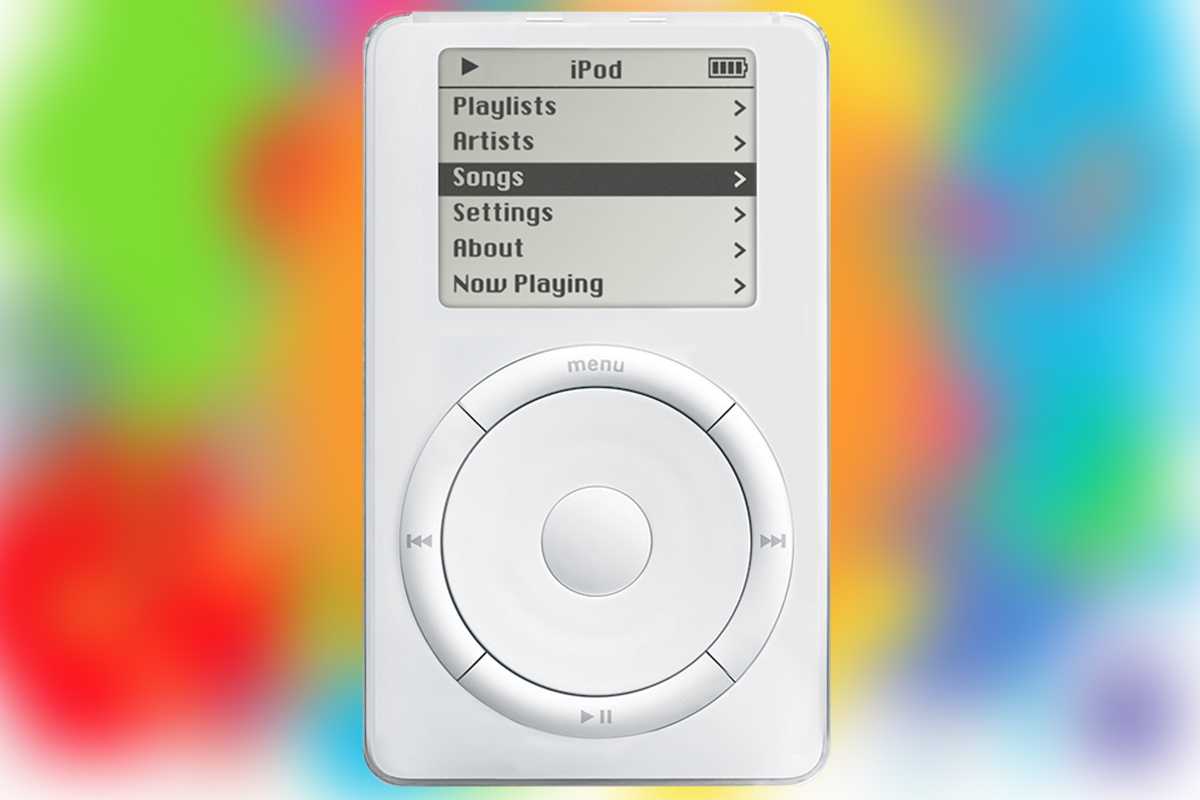
Although the iPod (RIP) remains one of the most iconic Apple products of all time, its initial launch in 2001 was met with widespread criticism. The $399 device debuted with several restrictions at a time when customers could buy generic CD or MP3 players for a fraction of that price. The iPod required a FireWire and iTunes connection for music transfer, making it exclusive to the Mac, which then had less than 5% of the desktop market share.
Screenshot
IDG
In the years since, Apple has made several improvements to the iPod, such as releasing several variants to suit different needs, replacing FireWire with USB, and integrating iTunes on Windows. The product flourished, popularizing digital music purchases and miniature media players. It’s also one of the three biggest selling points of the iPhone.
iPhone
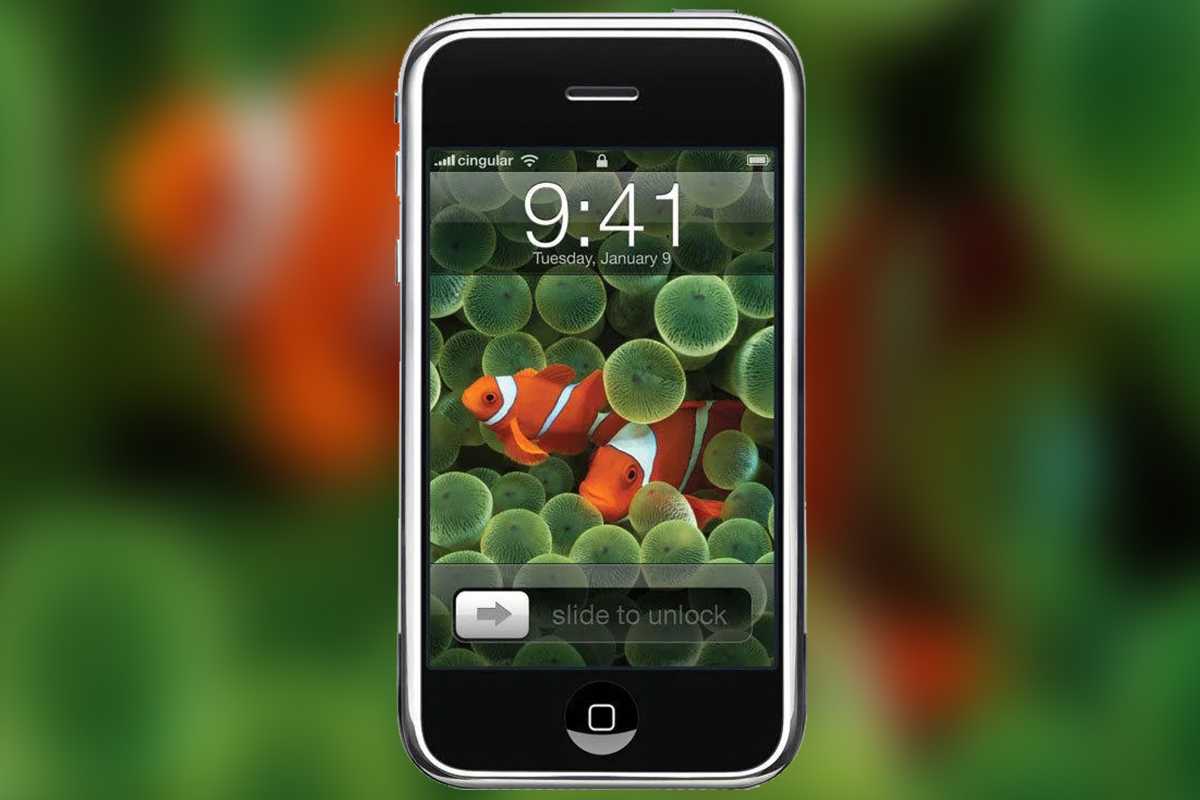
The iPhone is Apple’s most recognized product, dominating the US smartphone market and rapidly expanding its global reach. This was not always the case, however. When Steve Jobs released the first iPhone in 2007, critics naturally had some disparaging words to say.
Screenshot
Foundry
Steve Ballmer, then CEO of Microsoft, expressed how the virtual keyboard was almost impossible to use, suggesting that the overpriced device was doomed to failure. The people at BlackBerry also questioned the seriousness and productive capabilities of the device. Not to mention the merciless headlines and negative reviews from tech journalists. Market analysts predict that Windows phones would capture almost all market share within a few years. Remind me, what is a BlackBerry and where can you find a Windows Phone?
iPad
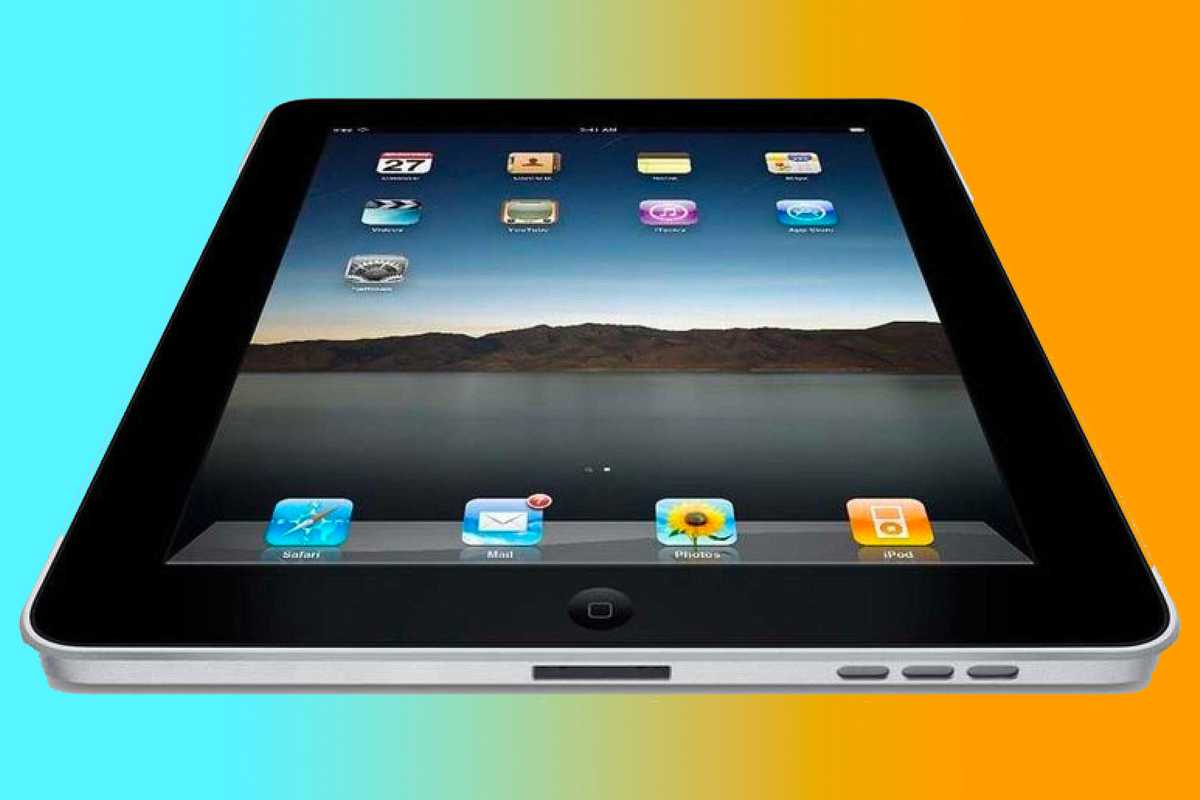
The most popular tablet line also had a controversial debut. When Steve Jobs unveiled the first iPad in 2010, many critics described it as just another big iPhone with no specific purpose. The device largely mimicked the iPhone’s operating system, offering no file management system, multitasking functionality, or Adobe Flash support. Its hardware was also perceived as limited due to the lack of an SD card slot, USB port, and camera. Despite this, Apple was still selling millions of iPads at the end of this year.
Screenshot
Apple
Today, Apple sells a wide range of iPads, offering different sizes, processing powers and exclusive benefits. The operating system has matured to support proper multitasking, including Mac-like windowing and a menu bar, in addition to professional desktop applications. Although the tablet still has a long way to go, it’s certainly not just another big iPhone. By some estimates, about half of all tablets in the world are iPads.
Apple Watch
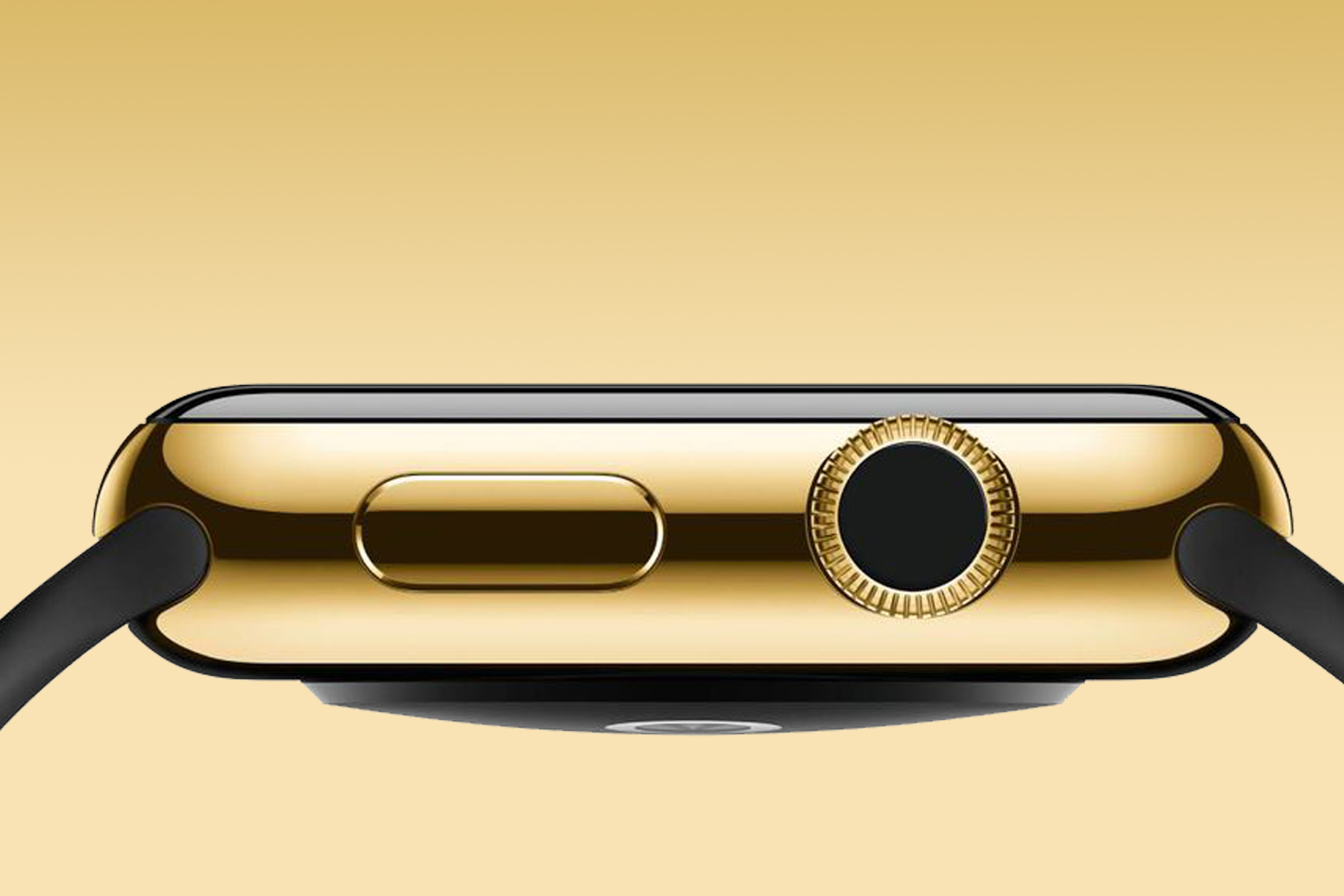
When the Apple Watch debuted more than a decade ago, it wasn’t the standalone miniature iPhone it is today. The wearable relied heavily on the paired iPhone for basic functionality, including GPS, texting and calling, using third-party apps, and more. It also lacked clear direction, as Apple was trying to sell it as a luxury item (remember the $17,000 gold edition?) that also tracked your activity and doubled as a communications hub; the identity crisis was real.
Screenshot
Foundry
At this point, the battery lasts a full day on a single charge, the design has been slimmed down to perfection, and the flaws mentioned above have been fixed. The Apple Watch is now seen as the best smartwatch for most casual users, featuring advanced, life-saving sensors, multiple models to choose from, and a mature operating system that runs on its own. It is, by far, the best-selling watch, all categories combined, in the world.
AirPods
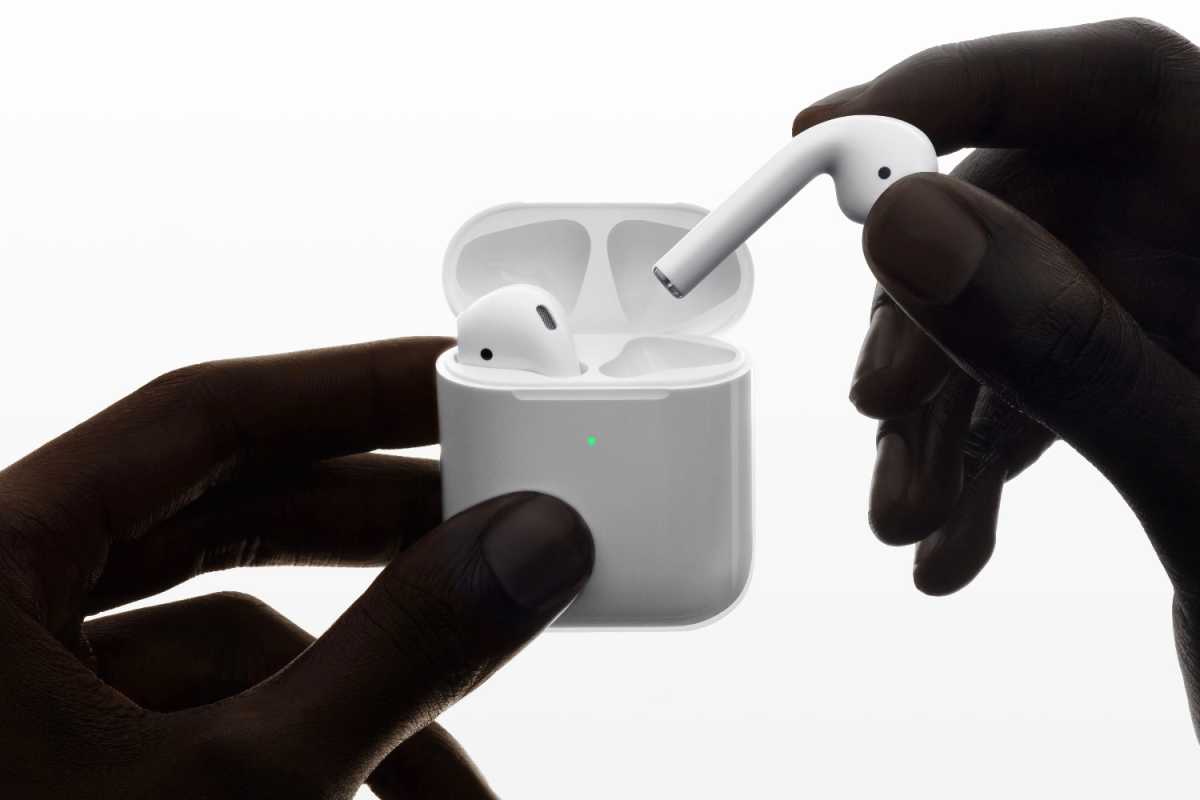
Likewise, the birth of AirPods was accompanied by a ton of criticism and concerns regarding price, design, functionality, and more. In 2016, Apple removed the headphone jack from the iPhone, pushing users toward dongles or $159 AirPods. At the time, many critics compared the design of AirPods to electric toothbrush heads and floss cases. Users feared losing them and having to regularly charge another device. Some reviewers also questioned their value, given that their sound quality was similar to wired EarPods, despite costing eight times as much.
Compatibility was also a common complaint: They worked as Bluetooth headphones with other devices, but all of their main features were only enabled with other Apple products.
Screenshot
Apple
Today, AirPods have become the go-to wireless earbuds for many iPhone users, offering immersive audio technology, precise location via Find My, seamless integrations with other Apple devices, multiple product tiers, health features and much more. They also pushed the industry forward, pushing competing brands to improve their own wireless earbuds.
M series chips
In 2020, Apple began transitioning the Mac from Intel processors to its own in-house chip designs. This decision was questioned by many critics, raising concerns about software compatibility, performance, and energy efficiency. It turns out, however, that Apple was perfectly prepared for the redesign.
To avoid breaking apps, Apple introduced Rosetta 2, a tool that runs software designed for Intel chips on M-series Macs. Although macOS 27 is likely the last version to support Rosetta 2, all affected app developers have already updated their apps to run natively on Apple silicon. Otherwise, the M-series chips have proven to perform better and more power-efficiently than their Intel counterparts, as today’s Macs boast the longest battery life ever and manage to annihilate their competitors in many benchmark tests. This is not to say that Macs can now run iPhone apps and iPads contain Mac chips, all thanks to this historic transition.
MacBook Neo
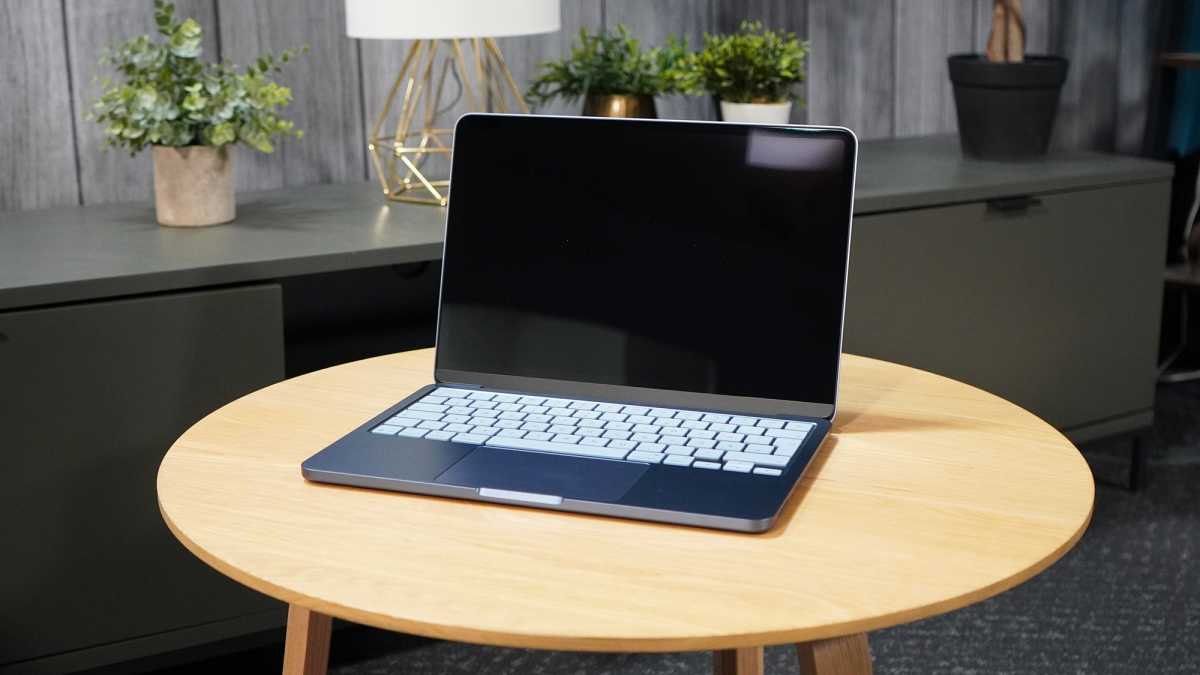
One of the most recent Apple products to cause skepticism is the MacBook Neo. Before its launch, many critics doubted that Apple would sell a new MacBook for as low as $599 (and even $499 for Education). They also had doubts about its performance, given that it is powered by the A18 Pro chipset from the iPhone 16 Pro. Many viewers proclaimed that a laptop with 8GB of RAM was useless.
Eugene Wegmann
Apple proved them wrong by going affordable and delivering a complete desktop experience that can handle everyday tasks without any lag. In fact, Tim Cook recently said that the MacBook Neo set a new all-time high for new Mac buyers, popularizing macOS among younger generations. In performance tests performed on similarly priced Windows laptops, the RAM throttling proved not to be an issue.


