California’s fossil fuel phaseout has left it vulnerable to the Iran oil shock


California has achieved a remarkable feat over the past twenty years. Even as its economy grew to surpass Germany’s to become the fourth largest in the world, the state’s gasoline consumption declined by nearly 15 percent and petroleum diesel consumption fell by about two-thirds. This is due to some of the world’s most aggressive climate policies, including a tax on carbon emissions and a strict requirement to adopt clean-burning fuels such as “renewable diesel” made from fats and oils.
During the same period, California’s crude oil production also declined by about half and many oil wells were shut down. The state now imports nearly two-thirds of its crude oil from tanker ships, which is cheaper and more convenient because it is separated by rugged mountains from oil-producing areas like Texas. Some of the state’s largest gasoline and diesel refineries are also closing due to falling demand, which will also make the state dependent on refined gasoline imports.
The decline of the state’s fossil fuel sector has made it particularly vulnerable to the oil shock of the U.S.-Israeli war with Iran — and to interventions by the Trump administration that could delay or even reverse California’s move toward renewable energy. Gas prices in the state have soared as high as $7 a gallon in recent weeks, the highest prices in the nation. As other economies clamp down on fuel exports, it’s possible the state could face even higher crude prices or a gasoline shortage.
Two weeks after the war began, President Donald Trump’s Justice Department issued a legal memorandum arguing that the federal government can use the Defense Production Act to preempt state law in an energy emergency. The Department of Energy then decided to restart a long-defunct California offshore oil pipeline owned by the company Sable Offshore. Energy Secretary Chris Wright’s order cited California’s “dependence on foreign oil, which is vulnerable to geopolitical disruption,” a “significant portion of which passes through the Strait of Hormuz.” The pipeline has been closed since a 2015 oil spill that killed hundreds of animals, and state authorities had not given permission to reopen. The next day, the pipeline reopened. California sued to shut it down.
For now, the Sable pipeline pumps about 50,000 barrels per day, which would provide about 3 percent of the state’s daily oil needs. Chevron has already announced that it will purchase and refine 20,000 barrels of crude from the pipeline starting in April. Adding new supply from Sable could lower costs for refineries, said Mike Umbro, an energy entrepreneur who runs Californians for Energy and Science, a nonprofit educational organization that advocates for increased oil production. Beyond Sable, however, there aren’t many good options for increasing crude supply in the near term. “Sacreamento says, ‘You don’t have a long-term future here,’ so companies aren’t going to spend a lot of money to increase production,” Umbro said.
Nonetheless, the Interior Ministry said this week it would consider a proposal from another offshore oil company to frack subsea oil wells to increase production. The administration also held oil lease sales on federal lands in California and sued to block a state law that would limit drilling near homes and schools, two moves that would further open up onshore oil production in the state.
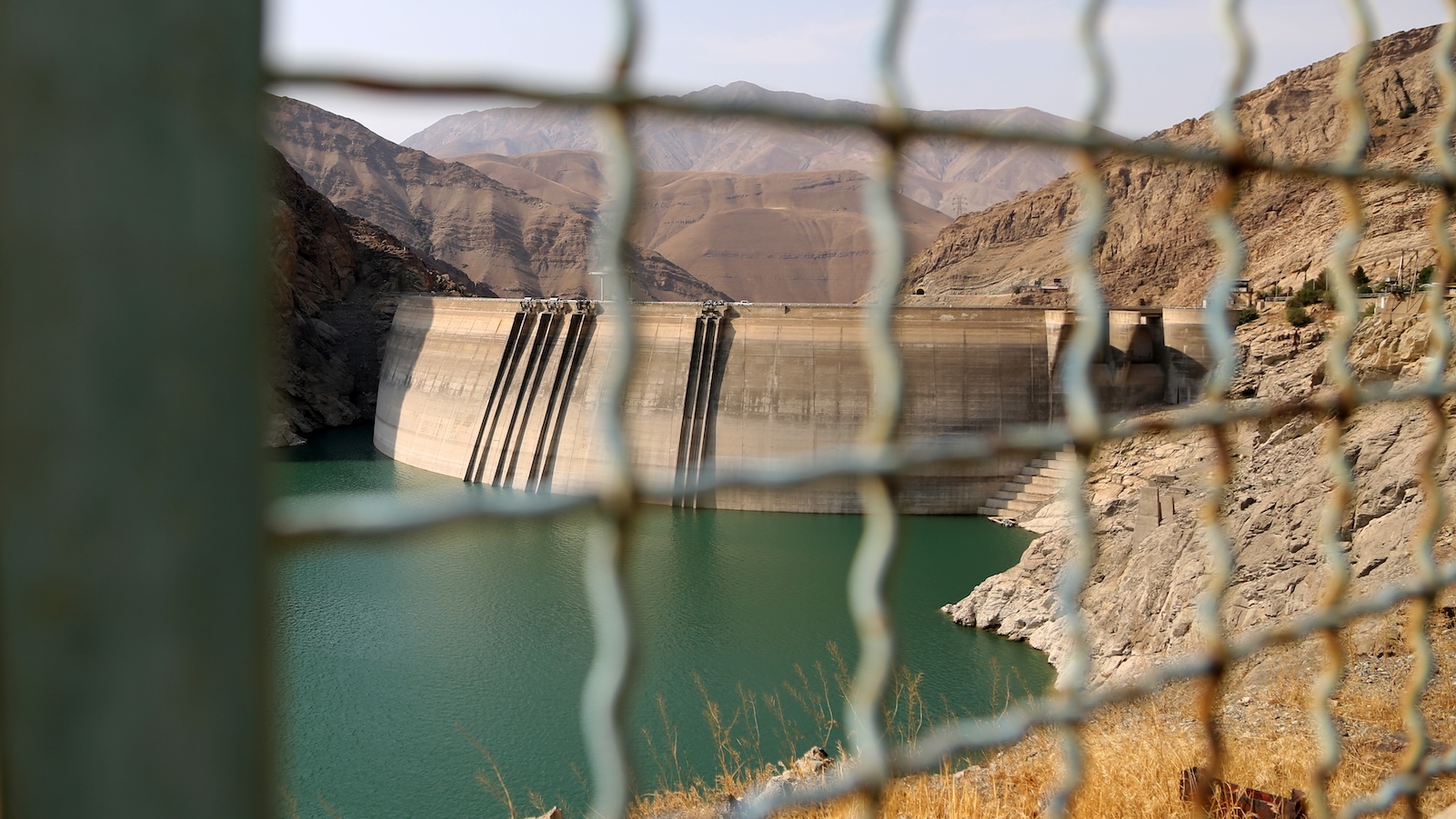
Iran was already running out of water. Then came the “war on infrastructure”.
But more upstream oil production will not help solve the current fuel crisis. Although some oil producers are considering pumping more crude, no one has suggested building more refineries. In fact, Chevron and other major refinery owners have warned that California’s “cap and invest” program — a carbon tax that gets more expensive over time — could soon drive them out of the state. The California Air Resources Board, the state’s climate regulator, is expected to launch new rules for the carbon tax later this year, which would reduce the amount of free emissions refineries would be allowed to emit and make refineries less likely to stay in California.
The oil industry’s argument against these regulations follows the same logic as that of the Trump administration. “The continued erosion of California’s refining capacity risks increasing reliance on imported fuels that are slower to arrive, more exposed to global supply disruptions, and less reliable during emergencies or periods of heightened geopolitical risk,” Andy Walz, a senior executive at Chevron, wrote in a letter to state leaders.
At the CERAWeek energy conference this week in Texas, Walz said he believes the state could soon experience a shortage of gasoline and jet fuel and that Chevron could close its own refineries within a decade. These refineries represent 30% of capacity, and their loss could cause huge supply shortages for Bay Area drivers, Central Valley farmers and even Air Force bases.
Democrats and environmental groups in the state, meanwhile, see the Iran crisis as further evidence that the state should work harder to move away from oil. Indeed, according to Kaetlyn Roedner Sutter, director of the Environmental Defense Fund of the State of California, the current increase in gas could only accelerate the state’s energy transition by making electric vehicles even more attractive. Gov. Gavin Newsom’s latest budget proposed a subsidy for first-time buyers of electric vehicles, designed to replace the repealed Inflation Reduction Act tax credits, and she said the Iran crisis could bolster the governor’s arguments.
“I think the war makes it even more important to move forward on this, because I think it just highlights how vulnerable we are, being so dependent on fossil fuels,” she said.


