U.S. hit with record number of flash flood warnings


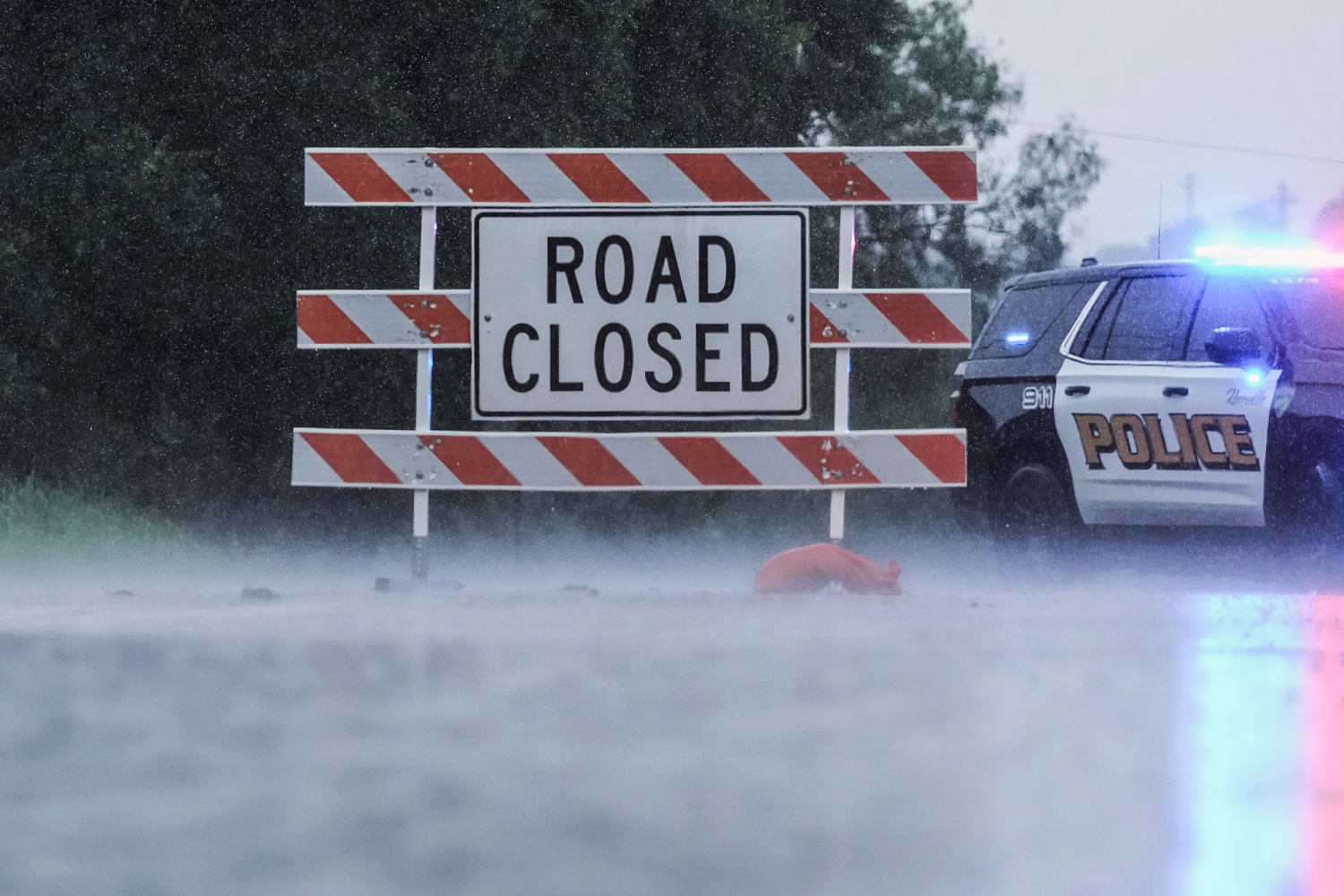
This summer, in particular, was characterized by intense precipitation and floods. States such as Texas, New Mexico, North Carolina, Illinois, New York and New Jersey are among those who have experienced major flood events in recent weeks. Earlier this month, the country was affected by at least four precipitation events 1 in 1,000 years in less than a week.
In June, the sudden floods killed at least nine people in Virginia-Western after about 2.5 to 4 inches of rain fell on certain parts of the Ohio county in just 30 minutes.
At least 120 people were killed in the region of the center of Texas Hill Country in early July after heavy rains caused an increase in the Guadalupe river, near Kerrville, more than 20 feet in 90 minutes.
A few days later, at least three people were killed by sudden floods devastating in the isolated village of Ruidoso in the New Mexico.
And earlier this week, more than 2 inches of rain fell in one hour above Central Park in New York, marking the second total of one hour precipitation recorded in the Big Apple, according to New York emergency management.
The Rafale of Sudden Recent Floods is due in part to the fact that the summer months tend to be among the most temporary of the year, said Russ Schumacher, director of Colorado Climate Center at Colorado State University and the state climatologist.
“June to October, it is when you can get very strong precipitation in certain parts of the country,” he said, adding that the Hurricane season of the Atlantic also takes place from June 1 to November 30, which can throw the rain along the Atlantic and Gulf coasts.
But studies have shown that climate change should make storms more frequent and intense, which increases the risk of strong precipitation and floods.
“A warmer atmosphere has more water vapor which can then be rainy,” said Schumacher. “The proof is quite strong.”
However, part of the reason why there are more warnings emitted than ever is that scientists are able to detect and follow the meteorological systems in more detail now.
Radar systems and meteorological models have improved considerably over 40 years, which contributes to the number of warnings issued during extreme meteorological events, said Amir Aghakouchak, director of the Hydrometeorology and remote sensing center at the University of California in Irvine.
“The system that was implemented in the 1980s is not the same as the system we have now,” he said. “We have a lot, many more radars, and we have many different sources of data. So, of course, you expect more warnings simply because our systems improve better and better. ”
These warnings are essential to save lives, but they are also crucial to protecting infrastructure such as dams, dikes or drainage systems that are vulnerable at flood events, said Aghakouchak.
“All of this recalls that these events can be major disasters,” he said. “The flood of Texas has been a huge disaster, so we must always be prepared.”


