2,000-year-old Roman bread discovered under construction site


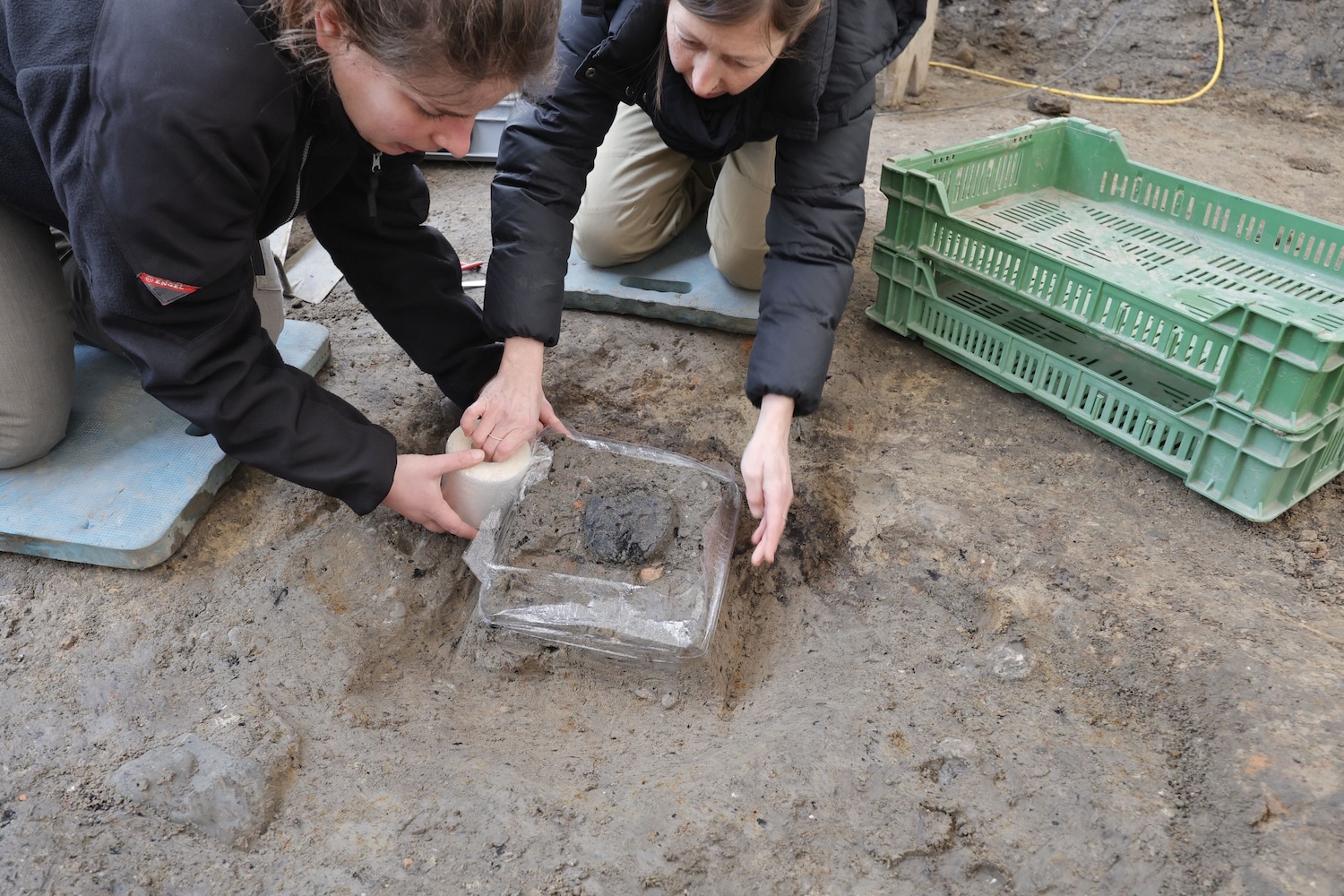
The entire field of archeology is based on what can stand the test of time. This generally means that most excavations focus on concrete evidence, including structural remains, pottery, weapons or metalwork. Sometimes researchers discover something gentler that has been preserved for thousands of years regardless. In Switzerland, archaeologists recently identified what could be a particularly rare find. While clearing land for a future residential complex about 32 km northeast of Zurich, specialists from the Aargau cantonal archeology service discovered what they believe to be a 2,000-year-old piece of charred Roman bread.
The “so-called pastry” described in an online article from the Aargau Cantonal Education Department is about four inches wide and 1.2 inches thick and is probably some kind of flatbread. Researchers spotted the burned piece in August 2025 while they were scouring a 43,000-square-foot area near the Roman site of Vindonissa. Known for its strategic position along major river routes, Vindonissa was originally an outpost for Roman legion soldiers in what was once the northern frontier of the empire.
However, archaeologists have questioned the settlement’s origins for decades. Until the latest excavations, it was not known exactly when Vindonissa evolved from a temporary encampment to a full-fledged, permanent military fortification. Based on the latest findings, it appears that Rome’s presence in the region solidified earlier than previously thought. The exact date remains uncertain, but military legions certainly operated a well-stocked and furnished center well before the first century CE.
Rare items like this preserved bread are exceptionally unique artifacts. Foods and other organic materials generally decompose extremely quickly unless they are stored under intense circumstances. The most common examples occur through sudden carbonization, a process that only occurs in dire situations like the volcanic destruction of Pompeii in 79 CE. Until they perform a laboratory analysis, archaeologists will not be able to provide a reliable theory of how Roman flatbread survived for thousands of years. That said, its charred state certainly suggests some sort of kitchen accident.
Regardless, the new information gleaned from Vindonissa will help experts better understand more than just when Rome extended its influence into present-day Switzerland. Rare finds like ancient bread also contextualize and humanize history, while reminding us that humans have always loved our bread.

The best new PopSci 2025 releases


