Taylor Swift’s new trademark filings aim to protect voice, likeness

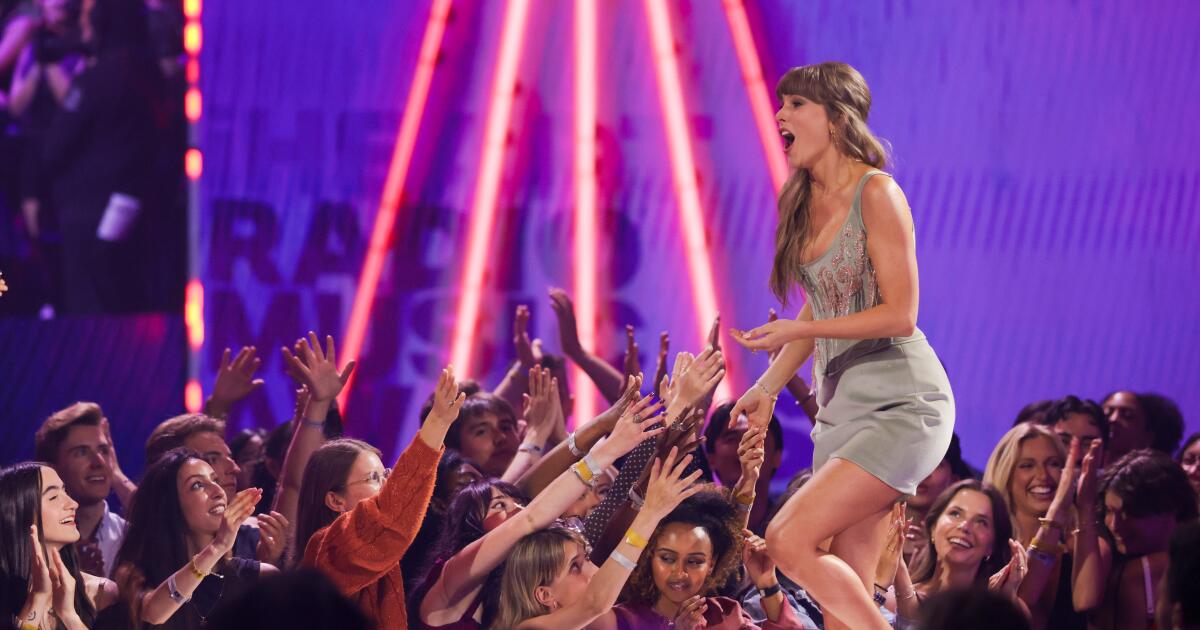
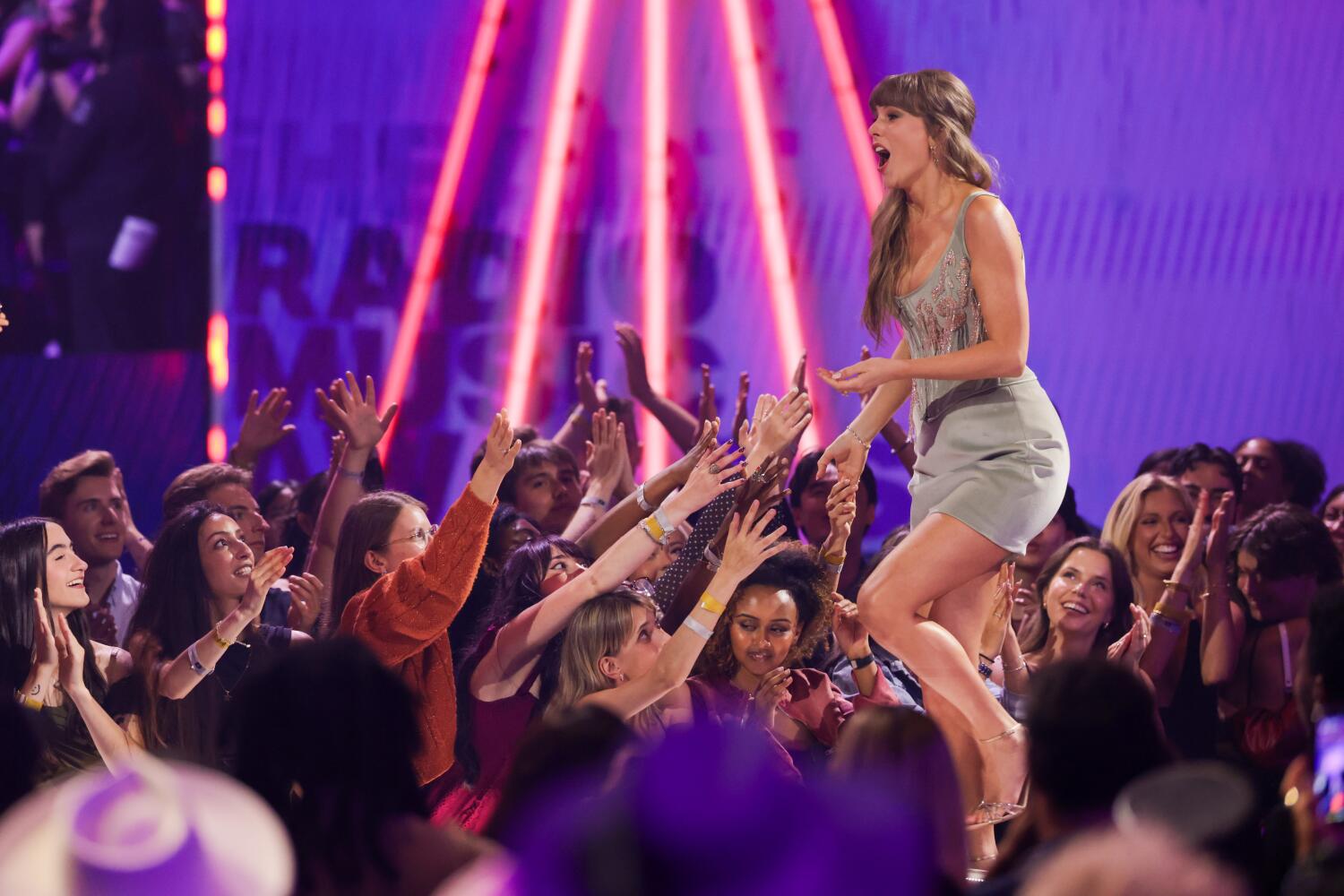
Taylor Swift is entering the era of her brand.
The global pop star’s company, TAS Rights Management, filed three new trademark applications last week, according to the U.S. Patent and Trademark Office. Two of the requests are for audio clips of her voice, saying the phrases “Hey, it’s Taylor Swift” and “Hey, it’s Taylor.” The other is a well-known image of Swift, often representative of her recent Eras tour, featuring the 36-year-old on stage, holding her pink guitar and wearing a shimmering bodysuit.
The push to protect its public image comes at a time when many high-profile celebrities have called for regulations against unauthorized AI-generated content. Matthew McConaughey was one of the first Hollywood stars to use trademark law as an added layer of protection.
In January, the Interstellar actor earned eight trademarks for his image, including footage of him smiling and the iconic recording of him saying, “Okay, okay, okay,” from the 1993 film “Dazed and Confused.”
“My team and I want to know that when my voice or likeness is used, it’s because I approved it and signed it,” the actor told the Wall Street Journal in January. “We want to create a clear perimeter around ownership, with consent and attribution being the norm in an AI world.”
Registering a trademark for a celebrity’s speaking voice to defend against the prospect of AI voice generation is a new legal approach that has not yet been tested in court. Representatives for Swift did not respond to a request for comment on the intent of the newly filed trademarks. But Josh Gerben, one of the first lawyers to report Swift’s latest legal moves, said it’s one of the growing gaps in intellectual property protection that AI can exploit.
Before AI infiltrated the Internet, musicians, like Swift, typically relied on copyright laws to prevent unauthorized use and distribution of their music, while right of publicity laws protected them from illegal commercial use of their likeness. But thanks to AI, users can manipulate people’s voices and images to sing or say virtually anything.
So if McConaughey has a trademark on his voice speaking a phrase, then theoretically any AI-generated voice that sounds similar could be considered a violation of that trademark, according to Gerben.
“If they have that brand protection, then the [AI] platforms can’t use that same voice to create new content,” Gerben said. “Every celebrity should basically be doing the same thing, but they’re trying to cut that at the source as much as possible.”
Variety first reported the news of Swift’s trademark registration.
As one of the most popular female musicians, Swift has faced her share of unauthorized AI-generated content. She was previously one of several female celebrities whose image was featured among several virtual celebrities on Meta’s AI chatbot. Illicit chatbots allegedly produced pornographic images. Ahead of the 2024 presidential election, Donald Trump also shared AI-generated images of Swift falsely suggesting she had supported him, including one of her dressed as Uncle Sam with the words “Taylor wants you to vote for Donald Trump.”
Because Swift is such a recognizable public figure, Luke Arrigoni, chief executive of Loti AI, a technology company that focuses on image protection, said trademark filings like these are not simply defensive but rather a setup for long-term protection infrastructure.
“By locking down these trademarks now, it ensures that if a brand wants to use a Swift-like AI voice in 2027, it will have to go through its authorized gates or face federal trademark infringement,” Arrigoni said in a statement. “She’s essentially putting a price tag on her digital identity, and that’s exactly where the entire talent industry needs to be heading to survive.”


