Chronic Venous Insufficiency Risk Increases With Age, but Is Not a Serious Health Threat


The term chronic venous insufficiency (CVI) has circulated due to the Recent diagnosis of the presidentSo to what extent is this condition common and how serious is it?
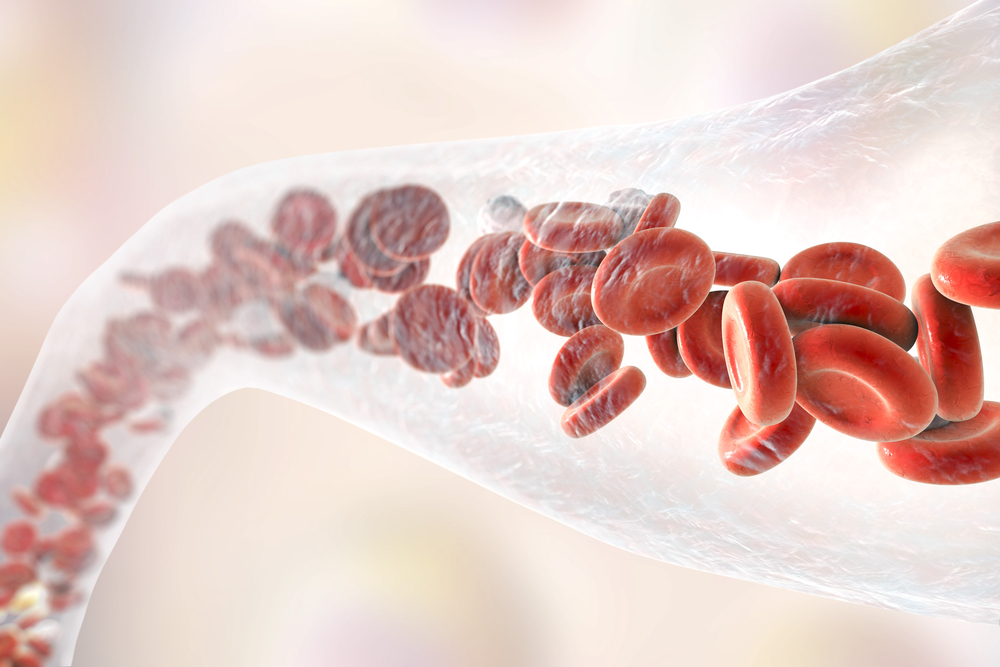
CVI occurs when the leg veins Become damaged, preventing the blood from returning to the heart. Instead, blood gathers the leg, causing pain, swelling and cramps among other symptoms.
CVI signs may seem soft at first, but without effective treatment, can become more serious over time. Although it is not considered a serious threat to health, the disease can cause complications and affect the patient’s quality of life if it is not tense to correctly.
Symptoms of chronic venous insufficiency
In addition to provoking swelling in the ankles, the CVI can cause burns or a feeling of “spindles and needles” in your legs, or a seal in the calves. The legs can feel heavy or itching and some may feel pain when they walk, which only stops if the person rests. Others may experience a hectic leg syndrome, which is characterized by an overwhelming desire to move your legs.
Visual symptoms include the presence of discolored skin – which will appear with a reddish brown and tends to be located near the ankles – skinned skin on the legs and feet, and the skin of tough appearance. Varicose and ulcers are additional symptoms.
Find out more: Excessive concern about health could be signs of disease anxiety disorder
What causes CVI?
Certain factors increase the risk of developing a CVI, especially overweight, pregnant and having family history of the disease. Smoking, do not do enough exercise and regular session or standing periods for a long time are additional factors. Individuals can also be more likely to develop a CVI if they have been damaged in their legs, whether it is an injury, surgery or preexisting blood clot.
Age is one of the largest CVI predictors, the condition generally affecting people 50 and over. The risk of developing the condition also increases as you age. According to the Cleveland ClinicOne in three adults has varicose veins and one in 50 of them will develop a CVI during a given year.
CVI treatment
Although few can be done to “cure” CVI or reverse damage to the veins, there are different treatments that can relieve symptoms and improve the quality of life of those who have the disease. These include lifestyle changes, such as increasing the quantity of regular exercise, maintaining healthy weight and elevation of the leg to improve blood circulation and reduce swelling.
Doctors can prescribe medication to increase blood circulation, prevent blood clots and cure ulcers. This could include a combination of aspirin, anticoagulants and antibiotics. Non -surgical procedures such as endorseous laser removal or sclerotherapy can also be included in treatment plans. In more serious cases, a doctor may recommend surgery that is linked or eliminates the damaged vein, which means that the blood is unable to cross it.
CVI prevention
It may not be possible to reduce your risk factor to zero, but you can certainly reduce the probability of developing a CVI by adopting certain lifestyle choices.
Doctors advise to eliminate tobacco use and recommend a healthy and healthy diet combined with regular exercise. Maintaining a healthy weight and making sure you don’t sit down or don’t hold too long can also help reduce the risk of diagnosis of CVI.
This article does not offer medical advice and should be used for information purposes only.
Find out more: What is prosopagnosia or facial blindness?
Article Sources
Our writers at Discovermagazine.com Use studies evaluated by high -quality peers and sources for our articles, and our publishers examine scientific precision and editorial standards. Review the sources used below for this article:
Rosie McCall is an independent writer living in London. She has covered scientific and health subjects for publications, including Iflscience, Newsweek and Health.


