FDA panel promotes misinformation on antidepressants during pregnancy, psychiatrists say


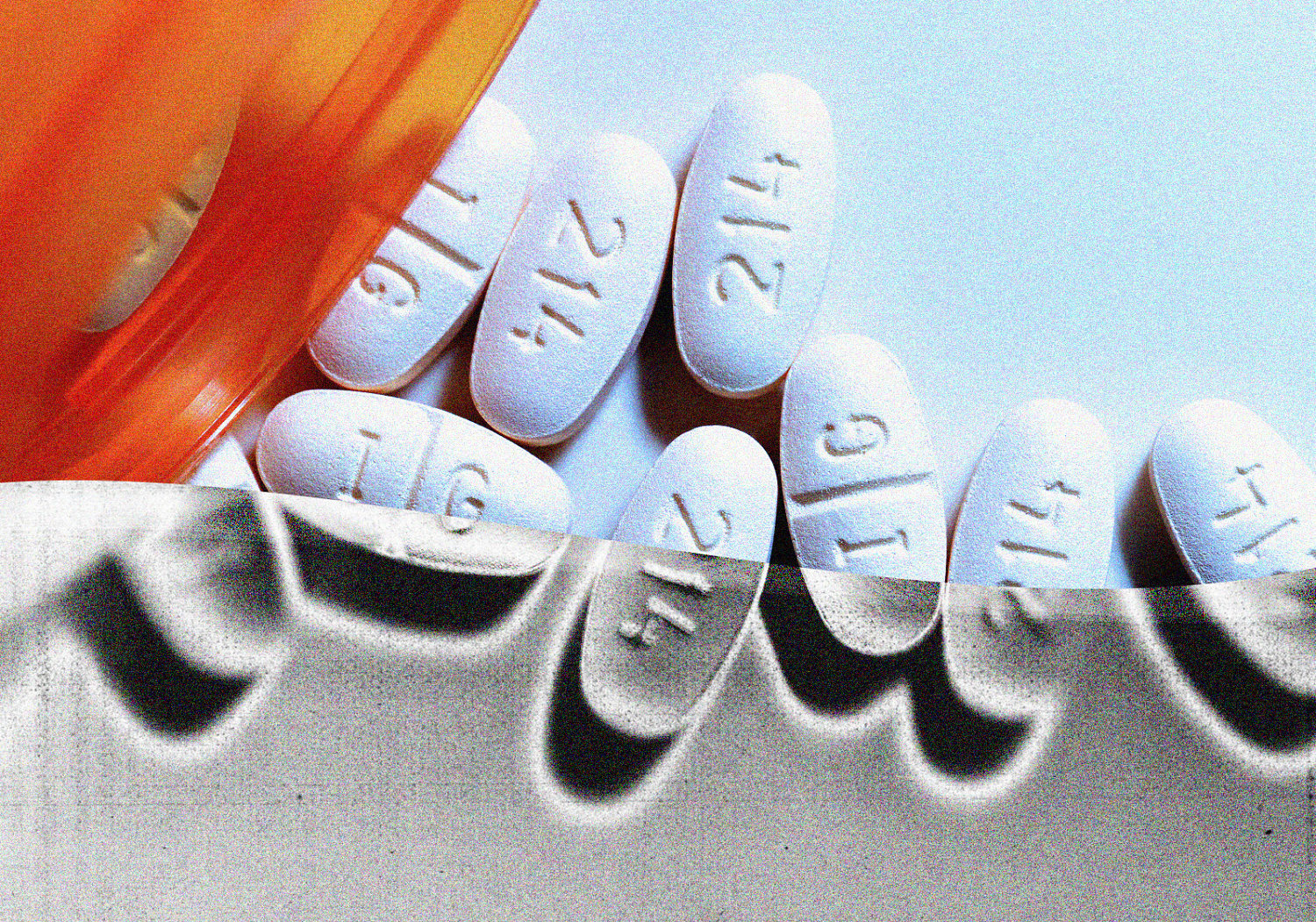
A panel of the Food and Drug Administration Monday discussing the use of antidepressants during pregnancy has largely constituted information or facts out of their context, according to several psychiatrists who listened to the meeting.
The panel had promised to present various points of view on antidepressants and pregnancy. But almost all of the 10 panelists have shaken medical consensus on drug safety and stressed what they have said to be the risk of taking medication during pregnancy – such as causing autism, false layers or congenital malformations. In some cases, they have said that antidepressants do not work at all and that depression disappears on its own.
Three of the 10 panelists came from outside the United States, another manages a clinic to help people reduce psychiatric drugs.
“They are really hindering concerns about security that is not based on evidence or evidence, and not at all balanced with concerns about the risks of untreated depression,” said Dr. Joseph Goldberg, professor of clinical psychiatry at the Icahn School of Medicine from Mount Sinai in New York.
“I am disappointed that the FDA has brought people outside the United States when there are so many experts here in the United States who really know it [medical] Literature inside and outside, “added Dr. Jennifer Payne, director of the research program in reproductive psychiatry at the University of Virginia.
An FDA spokesperson said that the statement that the panel was unilateral was “insulting scientists, clinicians and independent researchers who devote their expertise to these panels.” The spokesperson added that “[FDA] Commissioner Makary has an interest in ensuring that policies reflect the last science of gold standards and protect public health. »»
The Secretary of Health and Social Services, Robert F. Kennedy Jr., called for an investigation into the risks of antidepressants. His report “Make America Healthy Again” in May said that there were “potentially major long -term repercussions” associated with the use of drugs in childhood.
The round table has focused on a class of antidepressants known as selective serotonin reuptake inhibitors, or SSRI, which includes Lexapro, Prozac and Zoloft. Drugs increase serotonin levels, a chemical messenger in the brain that can improve mood.
Psychiatrists often advise women who take SSRIs to continue to do so during pregnancy, because the risks of untreated depression tend to prevail over the potential risks of the drug for the mother and the child. However, the decision is personal.
For ethical reasons, there are no randomized ISRS control trials in pregnant women, which means that potential risks come mainly from observation studies and drug registers.
Certain babies born of mothers taking SSRIs can develop symptoms such as tremor, irritability or difficulty eating or sleeping that resolve quickly – what is called “neonatal adaptation syndrome”. Symptoms can be caused by drugs in the baby’s system or withdrawing.
Some studies have also found a slightly high risk of miscarriage associated with the use of antidepressants during pregnancy, although others have found no association. However, there is no convincing evidence suggesting that SSRIs are linked to autism or congenital malformations.
“Well -controlled studies continue to find an association,” said Payne.
Women with a history of depression also run an increased risk of recurring symptoms during pregnancy, and depression may include its own risks – including self -control or low birth weight.
“The best thing that a pregnant person can do for themselves and their baby is to get the treatment they need,” said Dr. Nancy byatt, a perinatal psychiatrist at Umass Chan Medical School, who was not part of the panel.
In addition to raising concerns about side effects, several panelists have questioned the effectiveness of antidepressants or suggested that data promoting the use of SSRIs have been handled by the pharmaceutical industry.
“It has been said that the SSRIs help people who are seriously depressed. They don’t do it,” David Healy, a panellist of the FDA and a scholarship holder at the Royal College of Psychiatrists in the United Kingdom, said.
Goldberg and other psychiatrists said it was simply false.
“You can say that the landing of the moon has been rigged. Plot theories abound in our world. But there is no doubt about whether the SSRIs work,” said Goldberg, a former president of the American Society of Clinical Psychopharmacology who previously consulted for pharmaceutical societies. He said he was invited to join the FDA panel, but refused because the language of the invitation suggested that it would not be a fair discussion.
Healy, the Panelist, also said that some people “spontaneously recovered” depression.
Another panelist, the psychologist Roger McFillin – who hosts a podcast which questions conventional mental health advice – suggested that depression was not a disease, but rather a product of “women who naturally experience their emotions more intensely”. He added, without proof, that many women feel forced to take antidepressants.
Psychiatrists who were not part of the discussion largely criticized these characterizations.
“I have never, never, heard of a third party pushing a prescription during pregnancy,” said Goldberg. However, he said he was aware of certain obstetrician gynecologists who do not also know the SSRIs by wrongly saying pregnant patients to stop taking medication.
The American College of Obstetricians and Gynecologists said in a statement on Monday that SSRIs could save pregnant people.
“Today’s FDA panel on SSRIs and pregnancy has been alarming unbalanced and has not adequately recognized the damage to perinatal mood disorders not treated during pregnancy,” the organization said. “On a panel of 10 experts, only one spoke to the importance of SSRIs during pregnancy as a critical tool, among other things, to prevent the potentially devastating effects of anxiety and depression when they are not treated during pregnancy.”
A panelist, Dr. Kay Roussos-Ross, psychiatrist and Ob-Gyn at the University of Florida College of Medicine, was the most vocal defender of the use of SSRIs, often repelling the assessments of other risks. Psychiatrists who were not on the panel praised his comment supported by science.
“We can all find a study that agrees with exactly what we think,” Roussos-Ross told the panel. “But we have to examine the data very objectively.”
Several psychiatrists who were not on the panel said that they feared that the discussion would lead to regulatory action that makes access to SSRIs more difficult. For example, the Panelist, Dr. Adam Urato, head of maternal fetal medicine at the Metrowst Medical Center in Framingham, Massachusetts, called for stronger warnings on SSRI labels.
“I am simply very nervous that some of the speeches concerning the risks of antidepressants can lead to even more obstacles to people looking for care,” said Dr. Lindsay Lebin, deputy professor of psychiatry at the University of Colorado Anschutz Medical Campus, who was not part of the FDA discussion.