How to free up space on your phone and avoid the dreaded ‘storage full’ messages


You never want to see a “storage full” message pop up on your phone. This means you won’t be able to install new apps or capture new photos, videos, or audio messages because there’s nowhere to put them. You won’t be able to sync music or podcasts if the storage is completely full.
The good news is that you can prevent this from happening by doing some regular digital housekeeping. Android and iOS now come with features that make it easier for you to manage local storage, whether that’s deleting files completely or sending them to the cloud for safe keeping.
These are your options for keeping more of the space available on your phone when you need it.
How to free up space on Android
Android comes with a Google app called FIles, and if you sideload it, you can start diving in and deleting files manually. THE Downloads is a good place to start: there are probably a number of files here that you downloaded from the web and forgot about, and no longer need.
Tap the three dots to the right of a file then Move to Trash to delete it (it will stay in the Trash folder for 30 days before being completely deleted). To delete multiple files at once, tap one of the check boxes on the right to begin selecting, then tap the trash can icon at the top to confirm your choice.
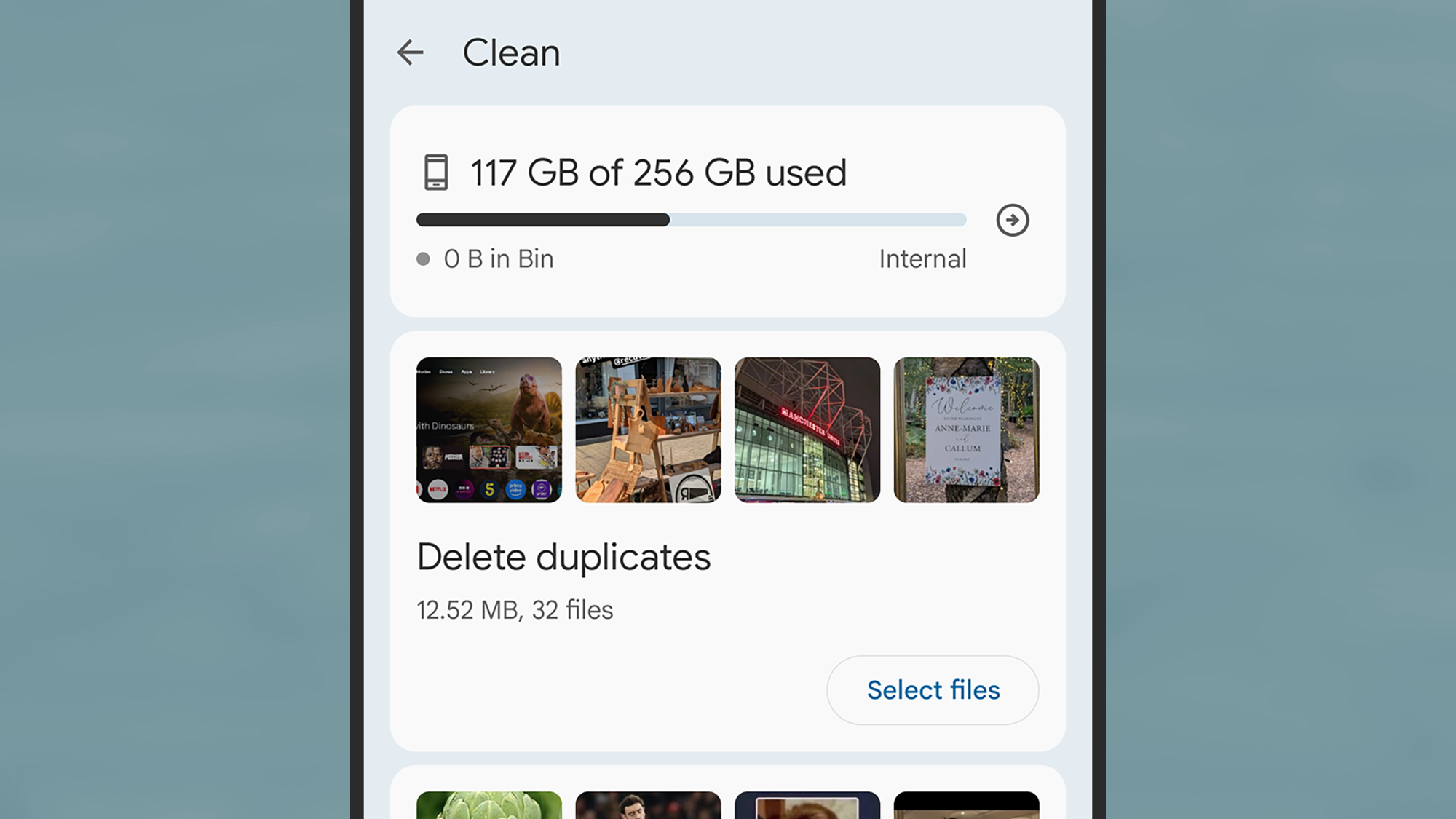
The Files app comes with a dedicated tool to free up storage. From the Home screen, tap the menu icon (three horizontal lines, top left), then select Do the housework. You will be shown a breakdown of the remaining space on your phone, as well as ways to increase it. These may include removing duplicate files and screenshots, but the options you see vary depending on your device.
For example, you might see an option to Delete memes-images detected as standard meme templates that your contacts sent to you via messaging apps. Take Select filesand you can choose which memes to delete before sending them to the Trash folder.
You may also be advised to remove certain apps via the Files app, but you can also do this yourself from Android’s Settings page by choosing Applicationsthen select an app and tap Uninstall. Under Storage & Cache, you can see how much space each app takes up, which can help you determine what to get rid of (remember, these apps can always be reinstalled, if necessary).
Speaking of apps, it’s worth checking any offline content you might have cached in your media apps. In Spotify, for example, tap your profile picture (top left), then Settings & Privacy > Data Backup & Offline to see how much space is taken up by the application and to access the Delete all downloads option.
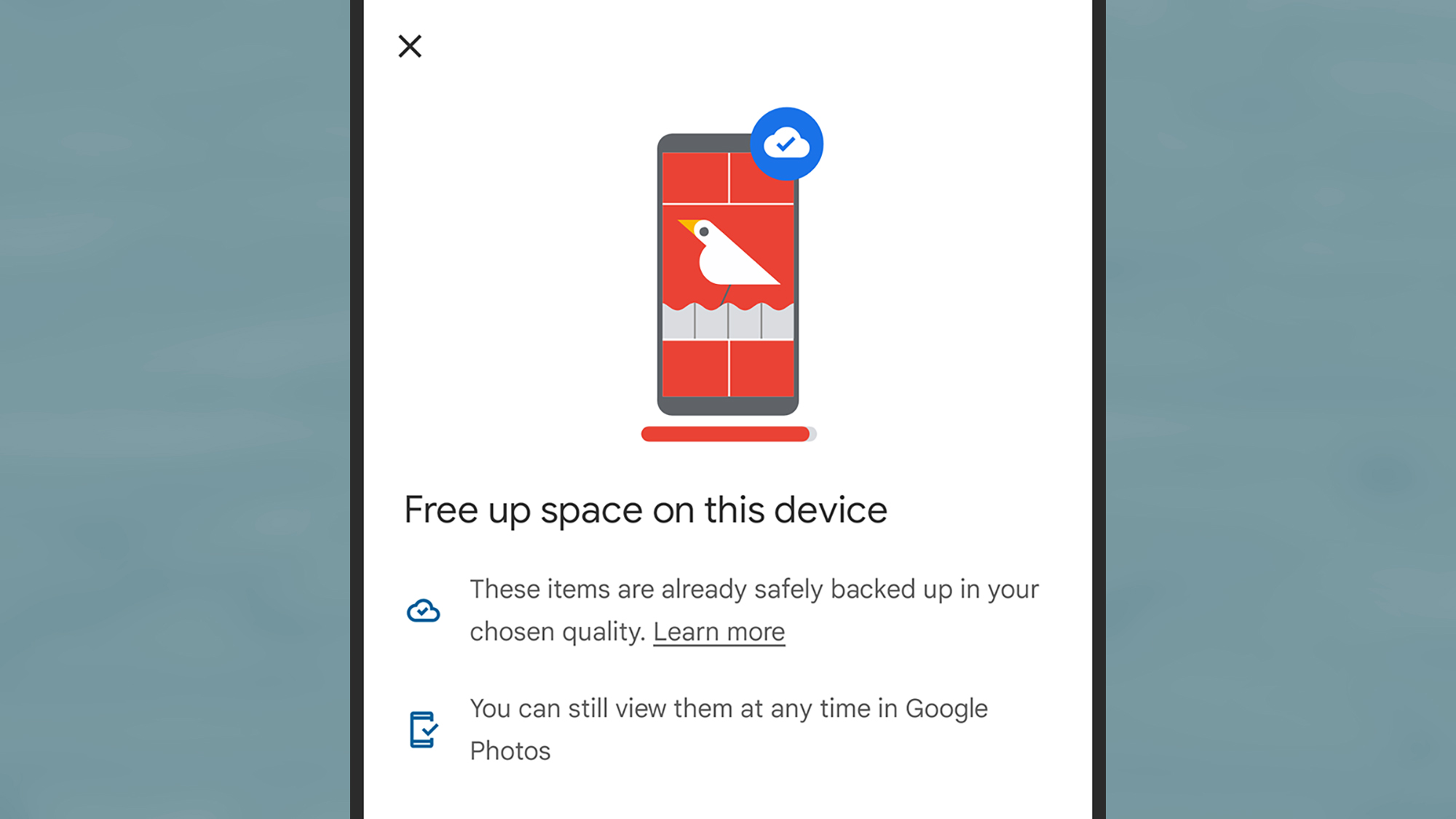
Finally, there is a separate option in Google Photos for Android. If you tap on your profile picture (top right), then Free up space on this deviceyou will be able to delete local copies of photos and videos that have been safely backed up to the cloud. Keep in mind, however, that you should always keep another backup elsewhere, in case something happens to your files in the cloud.
How to Free Up Space on iOS
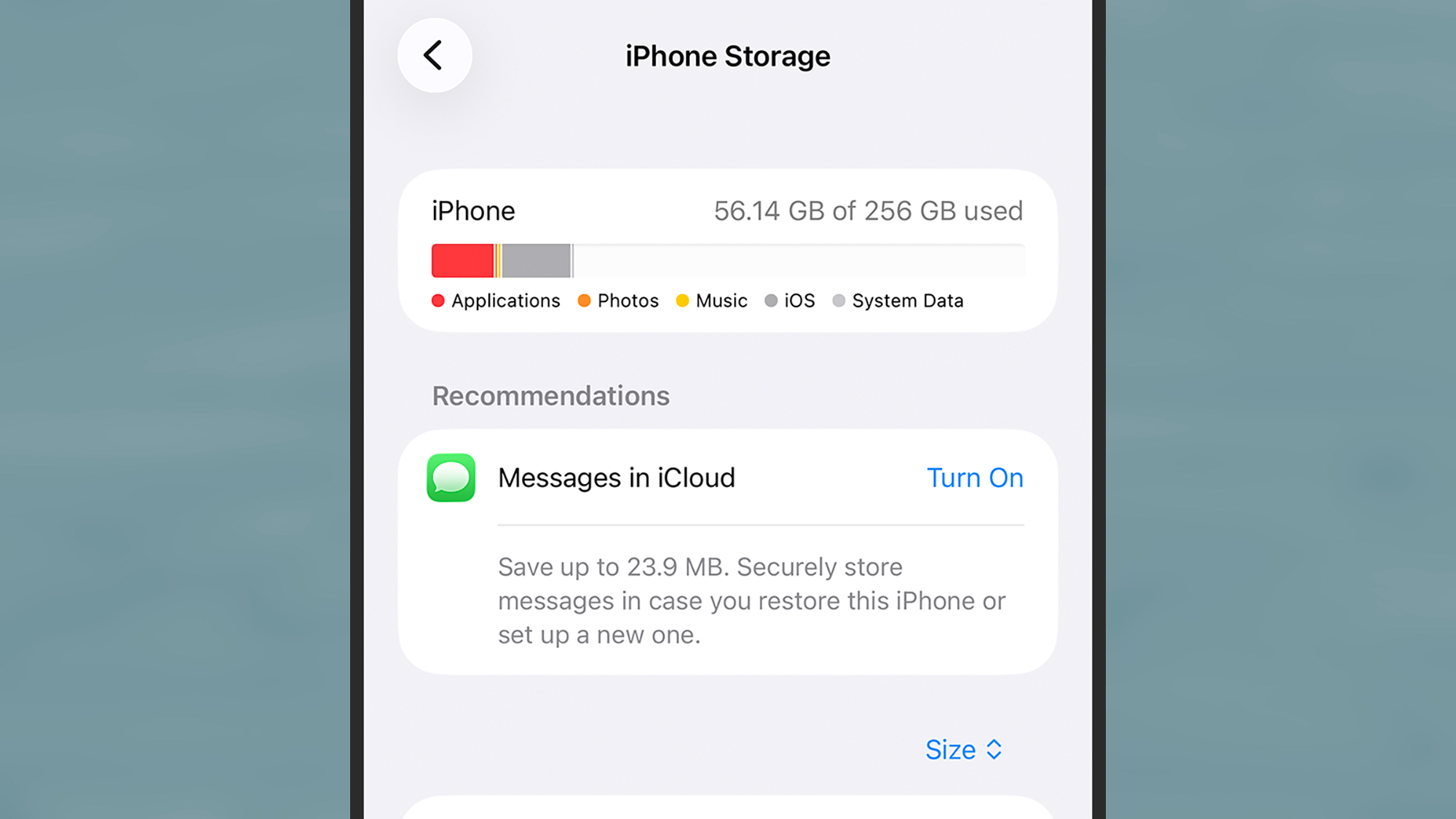
On the iPhone, there is a tool to identify ways to free up more storage space, but it’s not in the native Files app for iOS. Instead, you need to go to Settings and then tap General > iPhone Storage. You’ll see how much storage space is available and some suggestions on what you can do about it.
Scroll down and you get a full list of apps installed on your phone, with the largest ones at the top. It might be worth deleting the ones you don’t use regularly. Tap on an app name and there are two options: Download the application (which keeps the application in place but deletes any data it has stored locally), and Delete the app (which removes it completely).
You can also uninstall apps from the App Library screen to free up space: long-press an app icon, then choose Delete the app. Keep in mind that you can always reinstall these apps later, or even use the web app versions through Safari, if you need them again.
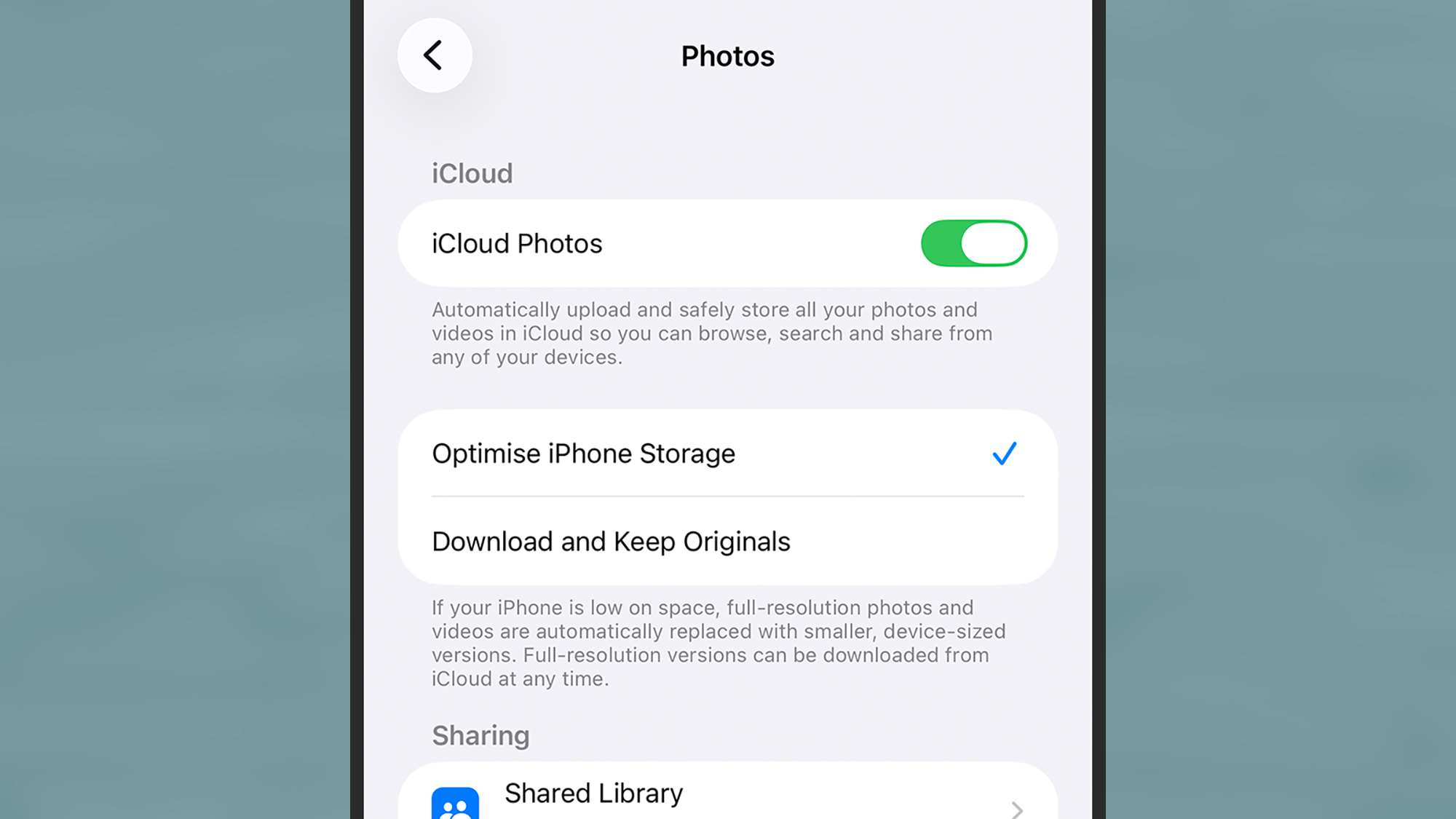
Photos and videos can take up a lot of space on a phone. If you open iOS settings and choose Applications > Photosyou will find a Optimize iPhone storage option, if you sync with iCloud, this means that lower resolution versions of your files will be saved locally, provided they are safely backed up to the cloud.
Google Photos for iOS offers something similar, if that’s your photo and video app of choice. In the app, tap your profile picture, then choose Free up space on this device and you have the option to delete local copies of photos and videos saved in the cloud. However, with any of these cleanup tools, remember that cloud copies alone aren’t enough: you also need to make sure those files are saved elsewhere as well (like on a laptop), just in case.
It’s worth digging into media apps that may also have saved content for offline viewing or listening (the iPhone’s storage screen will show you some of these). To check downloaded content in the Netflix app, for example, open the My Netflix tab then choose Downloads.
Finally, you can also use the iOS Files app for manual deletions. From the Browse screen, press On my iPhone: long press on a file to find the DELETE option, or tap the three dots (top right) and Select to select multiple files (a trash can icon will appear at the bottom). The files are moved to the Recently deleted file for 30 days, after which they will be permanently deleted.

The best new PopSci 2025 releases