New survey shows AOC’s $30 minimum wage push opposed by economists


NEWYou can now listen to Fox News articles!
An ambitious proposal backed by Rep. Alexandria Ocasio-Cortez to raise the federal minimum wage to $30 an hour is raising concerns among economists who warn the proposal could backfire on the people it is intended to help.
A new survey released by the Employment Political Institute finds widespread skepticism among U.S. economists about large increases in the minimum wage, with many warning that the policy could lead to unintended ripple effects, such as job losses for low-wage workers and higher prices for all Americans.
Specifically, these economists oppose proposals that push the minimum wage above $20 an hour.
The findings come as progressive lawmakers, including Ocasio-Cortez, push for higher federal wages to keep up with the rising cost of living. The federal minimum wage has not been adjusted since 2009 despite an average annual inflation rate of 2.57%, according to the Bureau of Labor Statistics.
THE $25 MINIMUM WAGE PLAN SUPPORTED BY AOC SEEMS GREAT – BUT AT WHAT COST?
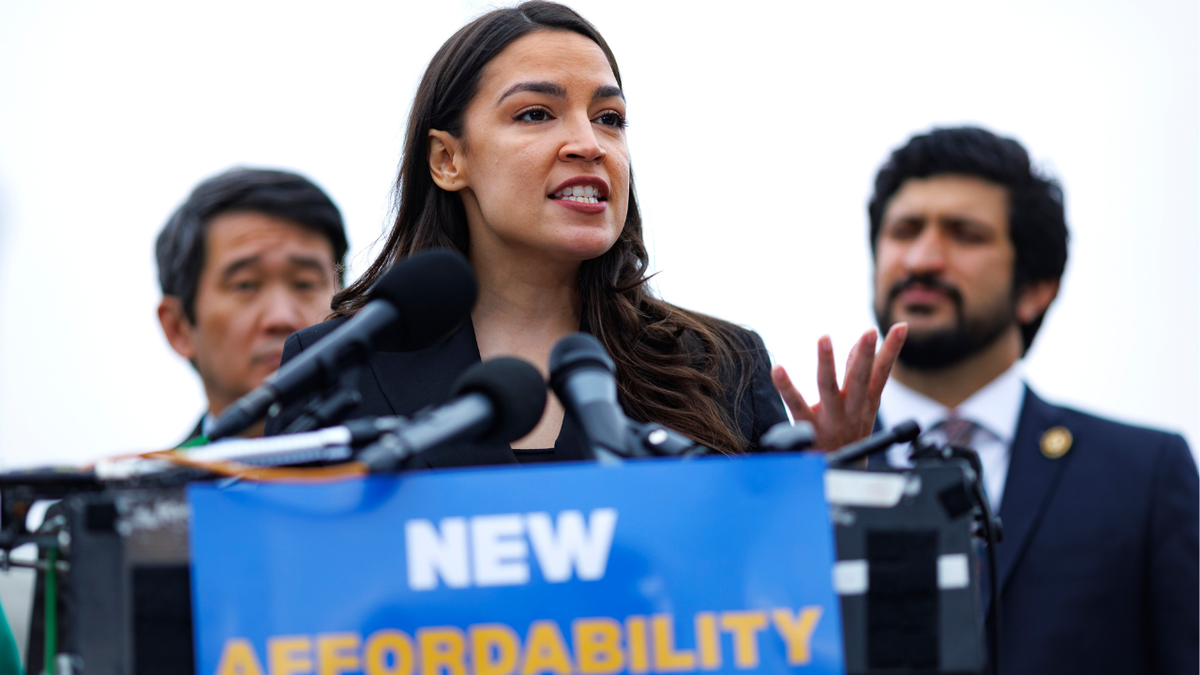
Representative Alexandria Ocasio-Cortez (D-New York) speaks during a press conference April 29, 2026 in front of the U.S. Capitol about raising the federal minimum wage. (Tom Brenner/Getty Images)
“We surveyed more than 160 U.S. economists and for proposals above $20 an hour, 96% said they opposed it,” Rebekah Paxton, research director of the Employment Political Institute, told Fox News Digital.
The results reflect broader resistance to steep increases in the minimum wage, with nearly three-quarters of economists opposed to a $15 wage and opposition rising sharply to the higher proposed levels.
Paxton said this view cuts across political divides.
“The economists we surveyed span the political spectrum — Republicans, Democrats, Libertarians and those who don’t identify with any party — but they broadly agree that raising the minimum wage above $20 an hour would be harmful to American workers, businesses and consumers,” she said.
Economists have pointed to a range of potential downsides to raising the minimum wage from the current $7.25 hourly rate, particularly for less-skilled workers. A majority said a higher minimum wage would likely reduce job opportunities for young people, with as many as 95% predicting fewer jobs for young people at wage levels above $20.
Industries with lower margins could be particularly vulnerable.
$30 MINIMUM WAGE PROPOSAL IN NYC PUSHED BY MAMDANI WOULD “ERASITE” SOME INDUSTRIES: Expert Warns

Economists warn that small businesses and some sectors could feel the impact of the minimum wage increase harder. (iStock)
“Small businesses will likely have a harder time adapting, but some sectors with lower profit margins, like hotels and restaurants, could be particularly hard hit,” Paxton said. “Economists told us it would reduce the number of jobs and make it harder for these businesses to operate.”
Many respondents also warned that companies would respond to rising labor costs by turning to automation. At higher wage levels, up to 97% of economists said companies would replace tasks traditionally done by workers with robots and other automatic means.
The survey highlighted concerns about inflation and the cost of living, with a majority of economists saying a higher minimum wage would lead to higher prices for goods and services, and as many as 84% predicting increased costs for consumers if the minimum wage was raised to more than $20 an hour.
New study finds Blue State fast-food minimum wage hike has put thousands of jobs at risk
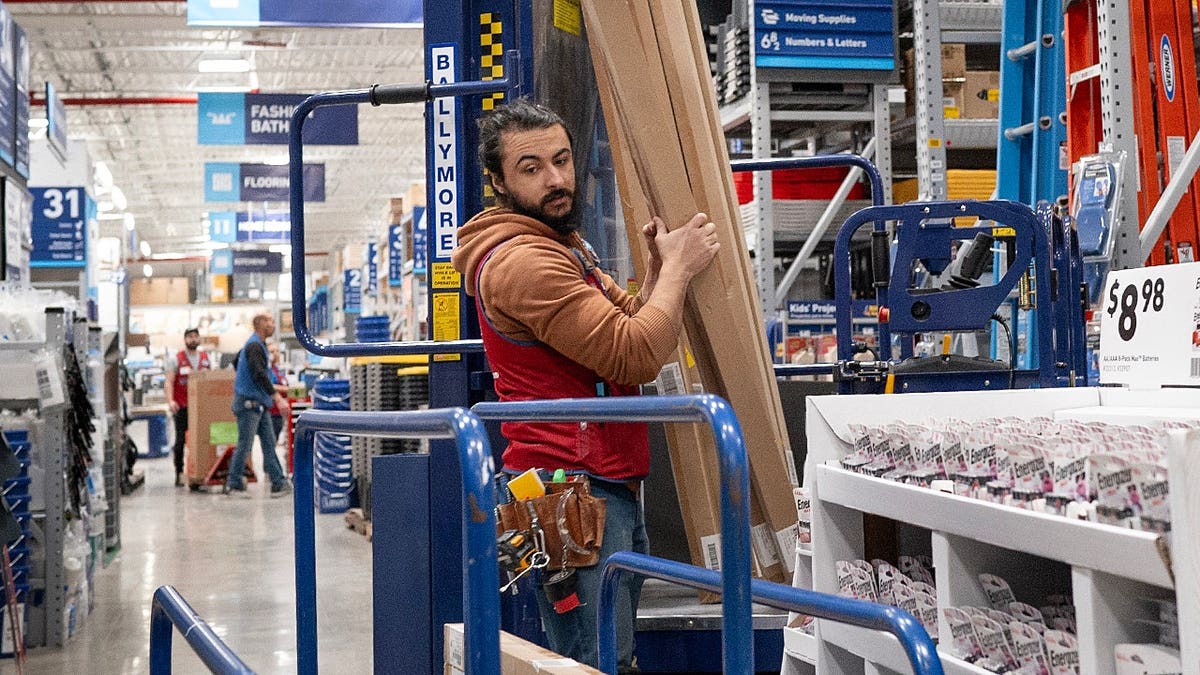
Economists warn that aggressive wage hikes could reshape the labor market in unexpected ways. (Scott Olson/Getty Images)
“Many lawmakers and activists say affordability is why they are proposing these high minimum wage increases,” Paxton said. “But what we’re seeing is that not only could it cost jobs and reduce working hours, but it could also increase automation and increase the cost of living.”
Small businesses, in particular, may struggle to absorb these costs. Nearly all economists surveyed, up to 98%, said it would become harder for small businesses to stay afloat with higher wages.
Perhaps most notably, many economists have questioned whether raising the minimum wage would accomplish the intended goal.
CLICK HERE TO DOWNLOAD THE FOX NEWS APP
“We find that economists are generally concerned about whether this policy actually provides meaningful wage benefits,” Paxton said, instead pointing to alternatives such as income tax credits and other support programs that supplement wages without putting the entire burden on employers.
Supporters argue that higher wages are needed to keep up with inflation and the rising cost of living. But the investigation raises new doubts about whether the policy could end up doing more harm than good.
Read the full study here:


