2 summer meteor showers are about to peak on the same night: How to catch the Alpha Capricornids and Southern Delta Aquariids at their best.


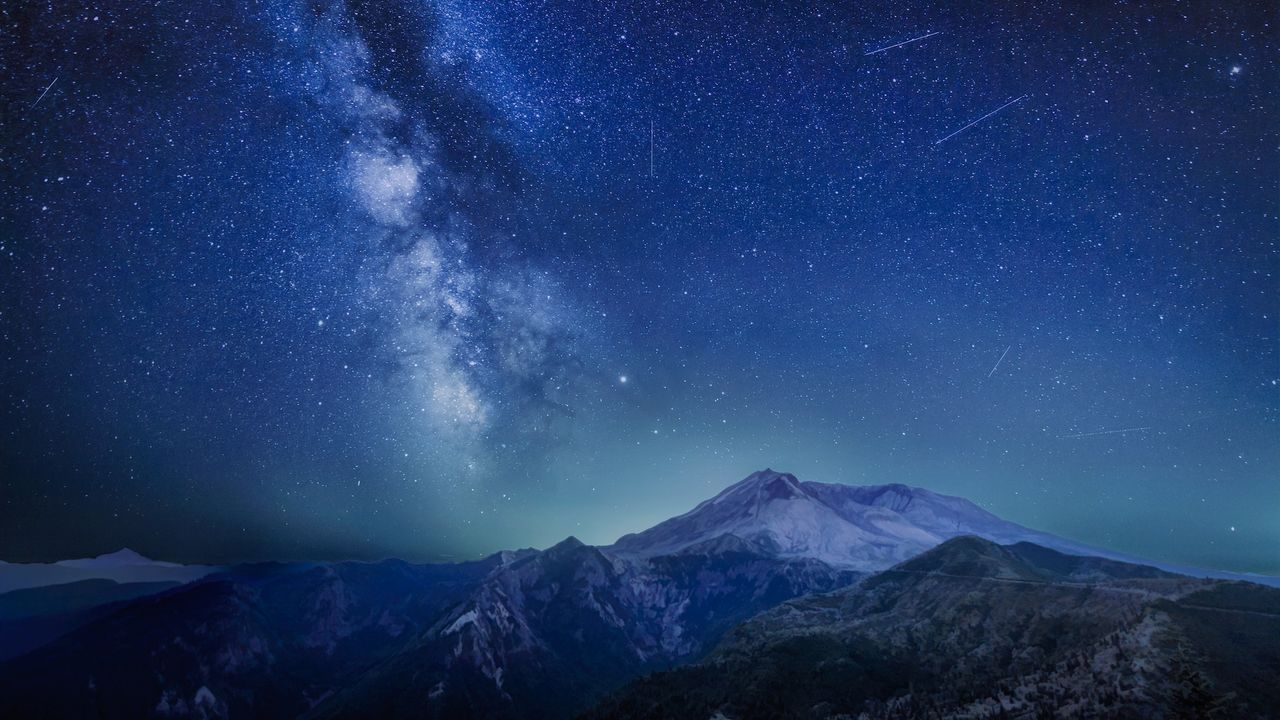
Two meteor showers will culminate together on the night of July 29 to 30, the moon away just in time for about 25 filming stars per hour to be seen in a dark sky.
The highest point will be the south of the Aquariid Delta, the strongest of the two showers, with expected rates of up to 20 meteors per hour at the top of the shower. Activated from July 18 to August 12, the aquariids of the southern delta are known for their weak and persistent trails.
However, the peak of southern Delta Aquarids is wide. According to the American Meteor SocietyThe meteor shower produces good prices for a week centered on the peak night, so it is worth seeking between July 24 and 31.
As its name suggests, the aquariids of the southern delta are better seen in the southern hemisphere. Indeed astronomers call it its radiant point. Because the Aquarius increases due to the south and becomes the highest in the sky at the hours warned in July, it is at this point that observers will probably see the most meteors.
The “shooting stars” occur when weather Asteroids or comets are left in the orbital path of the earth. When they hit the atmosphere of the earth and burn, They are called meteors. A 3.7 miles wide comet (6 kilometers) called 96p / Machholz, which was discovered in 1986 and puts 5.3 years to orbit the sun, is responsible for the aquariids in the south of the Delta.
In relation: How to photograph a meteor shower
The second shower of meteors to peak during the night of July 29 to 30 is the Alpha Capricornides, which will add about five to 10 meteors per hour. Active from July 7 to August 15, the radiant point of the shower is the constellation of Capricornus, which is alongside Aquarius in the night sky. This will make the shooting stars of the two meteor showers difficult to distinguish, but alpha capricornides tend to be particularly brilliant, slow and colorful. They are the result of the comet 2 miles wide (3.2 km) 169p / career, which was discovered in 2002 and took 4.2 years to orbit the sun.
Observers in the southern hemisphere will benefit from the best vision conditions, but from anywhere in the northern hemisphere, you can usually look at the south at the prevented hours on July 30 to have the best chances of success.


