Mysterious giant sharks that outlived the dinosaurs lurking in Puget Sound


Most sharks have five gill slits on each side. But Hexanchus griseusa species of giant and mysterious shark, even has six gill slits. These fish, aptly called sixgill shark, live in tropical and temperate waters around the world and can grow up to 14 feet long. They existed long before dinosaurs, and yet marine biologists still don’t know much about them.
One problem – at least for researchers – is that sixgills typically live in deep ocean waters, at depths of up to 9,800 feet. It also doesn’t help that they generally favor extremely dimly lit environments. Among other reasons, these aspects make the six gills difficult to study.
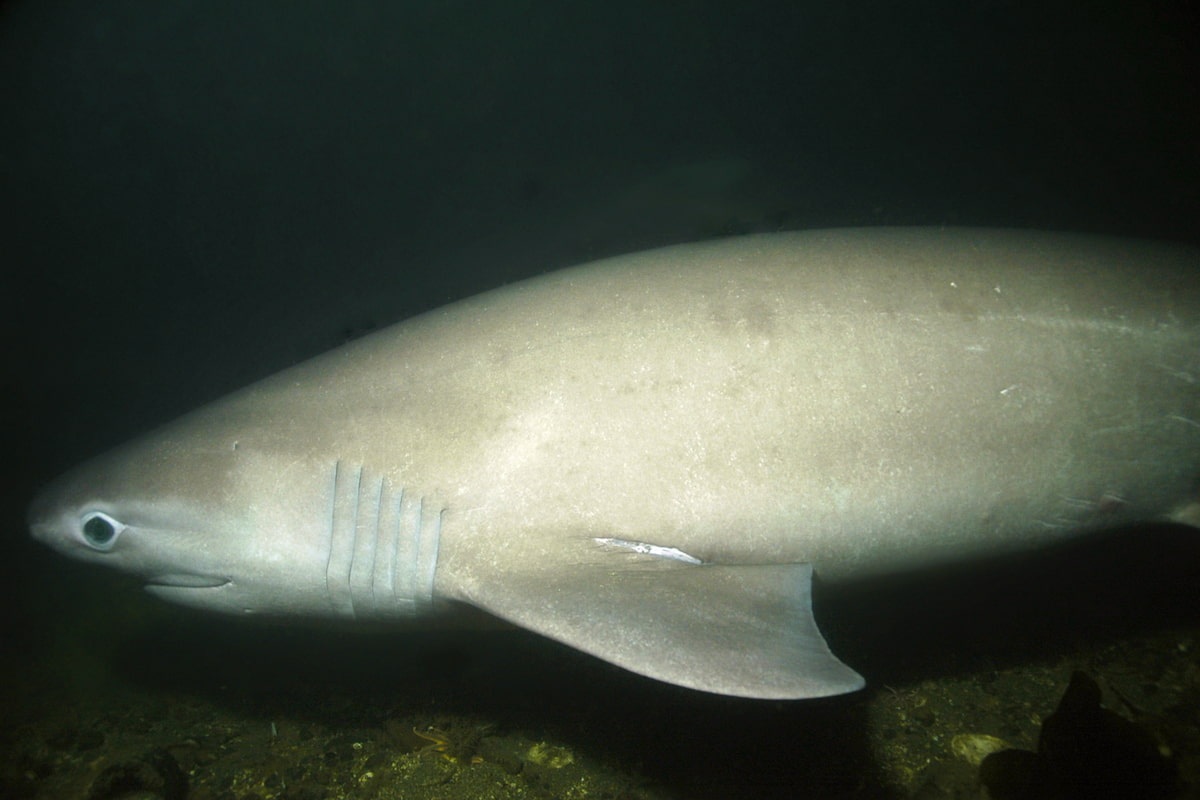
However, these ancient giants have been spotted year-round in Washington State’s Puget Sound and in shallow waters down to 20 feet. Seattle Aquarium scientists believe the six female gills give birth in these waters, and new research from the aquarium shows they are faithful to the birthing site. According to the aquarium, they appear to return to the Salish Sea to give birth several times.
Once the baby sharks – or pups – come into the world, Puget Sound turns into a nursery for a while, although researchers don’t know for how long. Young sixgills spend the summer and fall in locations further south in the Salish Sea and migrate further north in winter and spring. They typically travel less than three kilometers per day and frequently ascend into shallow water at dusk before descending into deeper water at dawn, probably in search of prey.
“We believe these patterns repeat themselves until they eventually head out into the open ocean. This consistency of movement and behavior reinforces the strength of our opportunity to study gill sharks in Puget Sound,” according to a statement from the Seattle Aquarium. “Through our research, we hope to answer questions about the life history and ecology of sixgill sharks, including migration, growth rates and prey preferences.”
The aquarium also aims to study previously unpublished physiological aspects of the six gills and to understand human influence.
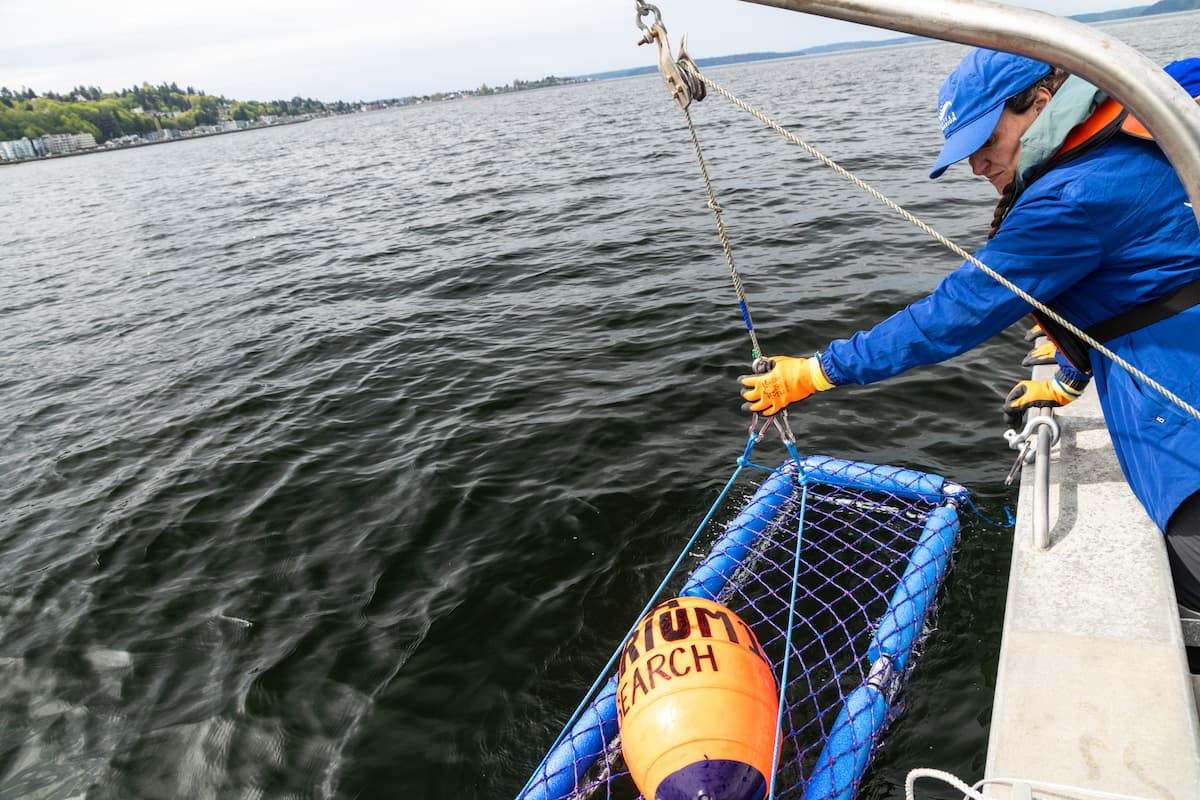
From May through September, Seattle Aquarium researchers and veterinarians will attempt to study this elusive species in three different locations in Puget Sound, visiting each once a month. There, the team will bring the sharks to the surface and bring them onto the boat or keep them on the side of the ship and flip them. This position triggers a trance state in several species of sharks. Either way, the team will make sure the sharks can breathe through all those gills.
Once the sharks are secured, the team will examine them. They should be able to collect measurements, obtain tissue samples, take photos and deploy wearable labels in just five to 10 minutes. The tags will then provide information on movement, habitat use and feeding ecology. The scientists will then return the sharks to open water.
“Our goal is to answer as many questions as possible,” Seattle Aquarium researcher Dani Escontrela said in the release. “We are collaborating with agencies such as the Washington Department of Fish and Wildlife, Oregon State University’s Big Fish Lab, Point Defiance Zoo and Aquarium, and other researchers to fill gaps in expertise, while keeping animal health and welfare our top priority.”

The best new PopSci 2025 releases


