Signs your dog is convinced it’s the hero of the house

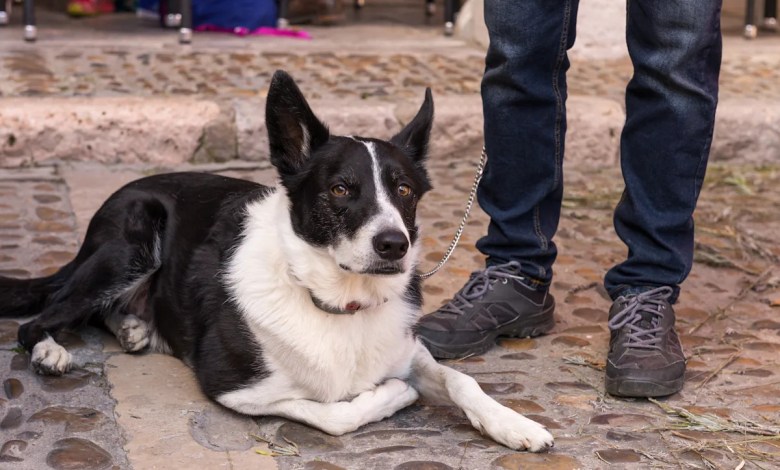
As we all know, dogs are deeply loyal creatures. And they consider their humans as part of their “pack” (dog instinct!). As a result, many of them instinctively feel responsible for your safety.
This caretaker mindset often manifests itself through several recognizable behaviors. This ranges from physical blocking and intense observation to sending vocal warnings when they perceive potential threats.
Some dogs are naturally more protective due to their breed history and temperament. Working breeds, herding dogs, and traditional guard dogs were initially bred to remain vigilant and closely monitor their surroundings.
Even in modern homes, many of these instincts remain deeply ingrained. As a result, dogs may display subtle behaviors that suggest they feel responsible for looking out for the people they trust most.
The physical block (breeding)
Tell us something: Does your dog regularly get stuck between you and a stranger or another animal?
If the answer is “yes,” then they engage in natural blocking behavior. In the dog world, it is a way to protect other members of the pack.

Putting your body between you and a perceived risk is a fundamental way to establish a safe boundary and protect yourself from danger. Basically, they are trying to create a “buffer zone” for you.
To be your relentless shadow
You’ve probably heard of breeds that are true “Velcro dogs.” They are known for simply enjoying your company and wanting to be considered your appendages.
No matter how much you roll your eyes, it will persist. However, this comes from anxiety and excessive attachment. But it can also indicate a protective instinct.

If your dog follows you from room to room, he is “guarding” you. The dog is trying to make sure it is close enough to act quickly if something unexpected happens. They watch your back so you don’t have to.
Sitting or lying on your feet
Many dogs drop directly onto their owner’s feet. This mostly happens when you are sitting on the couch or in public spaces. This behavior serves a dual purpose.

First, it acts as a tactile anchor so they immediately feel when you move. Second, it “claims” you physically. This can act as a slight barrier to anyone trying to get your attention. So here, the dog mixes protection and possessiveness.
Barking and growling alert
Some dogs have really perfected a vocal warning system. This ranges from a soft, questioning puff of air to an increasing bark or growl. Different occasions require different types of barking.

However, you must have seen them bark at the doorbell or growl when someone approaches too quickly. By doing so, they communicate their intention to increase the distance between you and the potential “threat.”
Increased awareness and pace
Have you ever noticed your dog pacing or doing “perimeter checks” around the house or yard before finally settling down? This is a common sight, especially if the dog is a traditional guard breed. This is ancestral guarding behavior.

Your dog patrols the area and clears the space of any abnormalities so you can rest peacefully without worry. It’s as if a bird is cleaning the “nest” of its partners. In other words, it shows that your dog cares about you.
Reflect your emotions
Dogs are incredibly sensitive to human emotions. They can address changes in tone, body language, and vocalizations. If you feel nervous or fearful, your dog will understand.
Even if you are simply wary of a stranger on a walk, your dog will often notice. They will immediately go into a state of high alert, picking up on your discomfort.
Interrupting intimate interactions
Sometimes a dog’s protective instinct borders on possessiveness. Your dog may nudge you, bark, or get stuck between you and a loved one (or another pet). And this happens when you hug or struggle.

Because of the way the “body contact action” takes place, dogs may perceive this close contact as a struggle. They may feel the need to intervene and “dissipate” the perceived danger to you.
Conclusion
Having a protective dog can be comforting, but it’s important to maintain healthy boundaries and proper training. A well-balanced protective dog remains calm after the situation has passed and continues to respond to commands without aggression.
If a dog becomes overly possessive, reactive, or refuses to let others near you, his behavior may require advice from a professional trainer or animal behaviorist. With proper structure and trust, protective instincts can remain healthy without becoming overwhelming.


