3D printer transforms food waste into coffee mugs and coasters


A new type of 3D printer could help households do their share to reduce food waste while producing clever household accessories.
In 2019 alone, the United States generated 66 million tonnes of food waste. The majority of this waste (60%) found themselves in the landfills. According to an EPA report, carbon dioxide generated from food waste is equivalent to 42 coal power plants.
To try to solve this problem, a pair of researchers from the Massachusetts Institute of Technology (MIT) has developed a 3D printer assisted by AI capable of converting remains of food into sub-hooks, cups and other daily kitchen items. They hope that their invention, called printer foodres.ai, can reuse waste before reaching the trash cans or compost trash cans, helping to promote “hyper-local circular economies”.
“This product goes beyond the recycling of food waste by actively engaging communities in daily ecological practices,” writes the designer Biru Cao on his website.
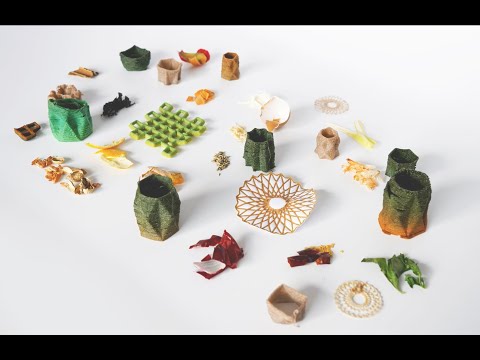
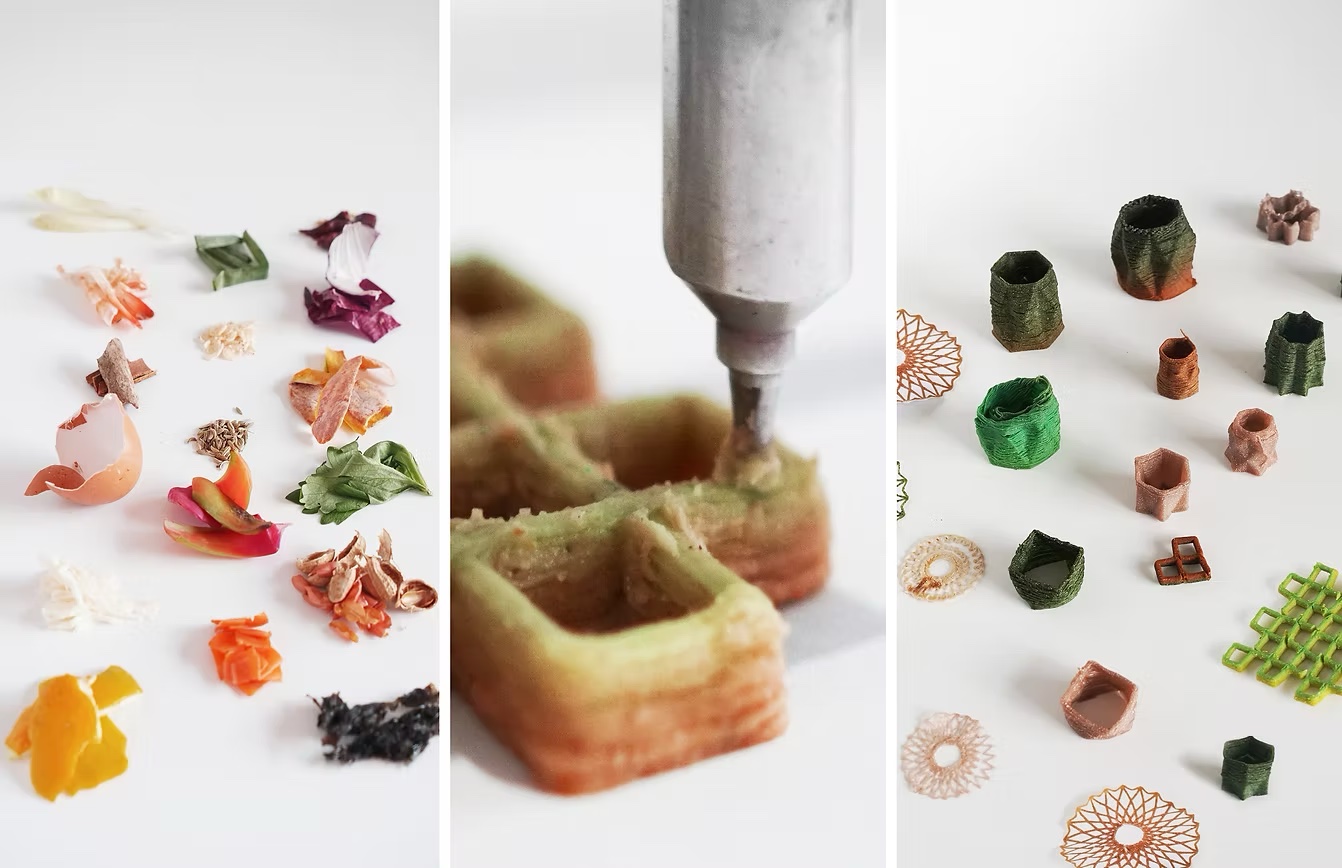
The printer works in tandem with a mobile companion application that scans and identifies the leftovers of food. Users take a photo of the waste, which may include anything, banana peels and egg shells on the coffee field, and the object object detection model analyzes the image. Once the object is identified, the application suggests possible “recipes” for the elements in which it could be converted. Users can choose from a selection of prefabricated models, such as glasses and utensils, or create their own personalized objects. Users can also customize the color and texture of their object according to the available materials.
[Related: 6 kitchen scraps to throw in your garden]
Once an object is selected, the device automatically adds natural additives to food remains and converts them into a bioplastic paste. This dough is then introduced into a three -axis extruder system with automated heating, which shapes the mixture in the final product. Once printing is finished, users can open a panel on the side of the device to recover their item. The entire process, after loading the material, requires a single press a button and is designed to be accessible even to people without prior experience using a 3D printer.
“This flexibility makes food.
Coa did not immediately respond to Popular scienceThe comment request to ask for how long the conversion and printing process takes or how much they expect the printer to cost.
A new wave of 3D printed organic materials
3D printers, formerly strictly limited to working with plastics and metals, evolve quickly. In 2023, researchers from the University of Columbia unveiled an advanced 3D printer capable of reliably printing chicken, beef, vegetables and cheese. He even produced a relatively edible cheese cake. A company based in London called Food Ink has even opened what it called the first pop-up restaurant entirely printed in 3D in the world, where everything, plates and utensils at the nine dishes dinner, has been printed. Jonathan Blutinger, one of Columbia engineers behind the aircraft, said The guardian He believes that printers like these could become a basic food in household cooking as soon as possible.
“It’s your own personal digital leader,” said Blutinger.
And progress is not limited to food. In health care, 3D printers are already used to create synthetic vessels and printable blood vessels. Technology defenders say that fully printable 3D bodies may not be far behind.

More offers, reviews and purchasing guides