4 Science Book Recommendations We Loved Reading in July


What books American scientist Read in July
Check American scientistThe recommendations of fiction and non-fiction books for July
Fernando Trabanco Fotografía / Getty Images
July 2025 was a suffocating month, but we American scientist You have always had fun in the sun and in a hot dog or two, while choosing the best books to read by the pool. We were busy exploring new scientific books. This month, we read the advice supported by the sciences from one parent to another; encountered a robot with a very sarcastic sensitivity; discovered the world of the world of waste; And has traveled to the ends of the earth, where scientists discover the history of the planet and an overview of our future.
What do you read this summer? Register for our daily newsletter today in science to obtain exclusive weekly reading recommendations and share your list of books.
On the support of scientific journalism
If you appreciate this article, plan to support our award -winning journalism by subscription. By buying a subscription, you help to ensure the future of striking stories about discoveries and ideas that shape our world today.
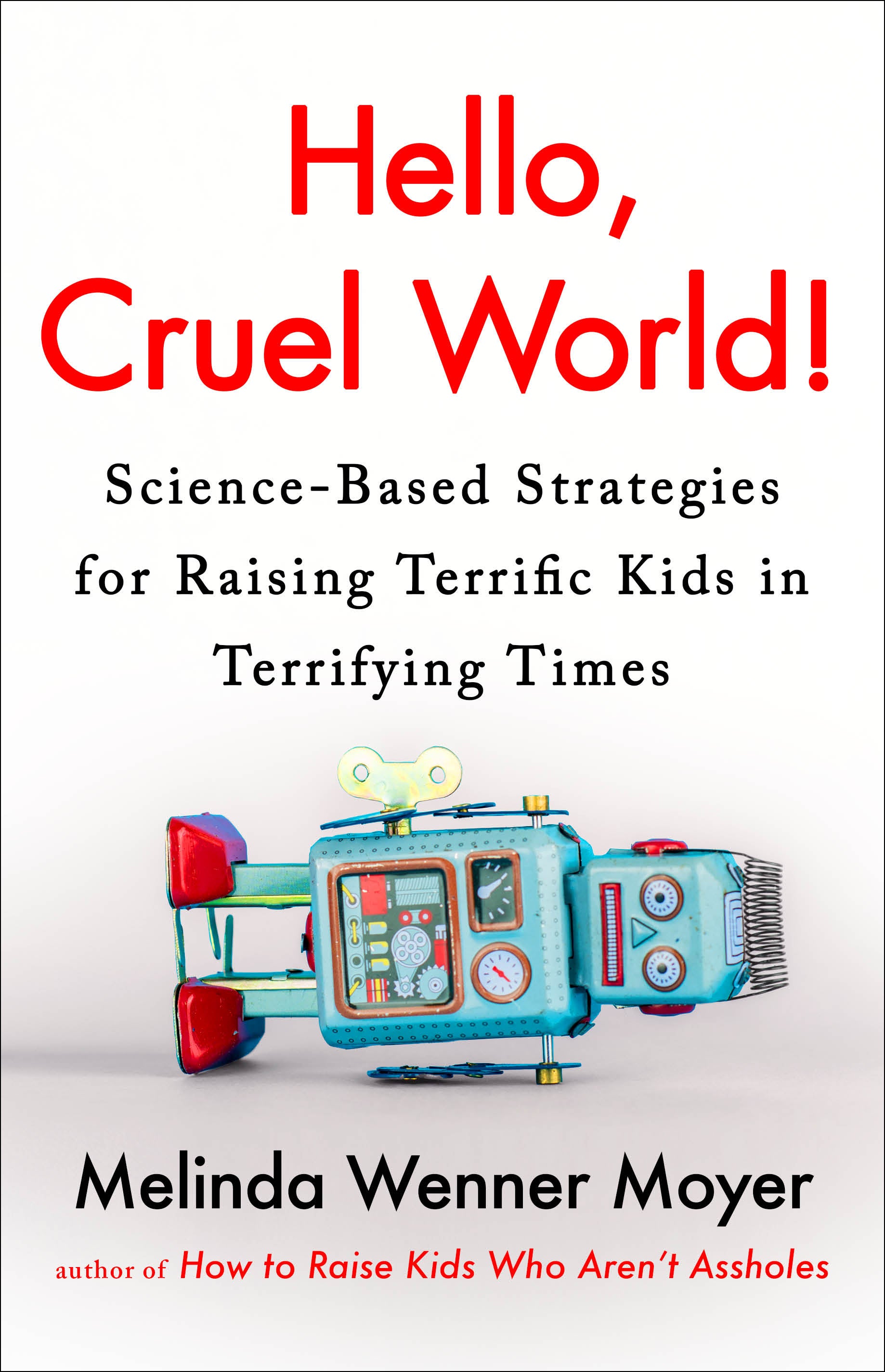
Hello, cruel world! Scientific strategies to raise tremendous children in terrifying period
by Melinda Wenner Moyer
GP Putnam’s Sons, May 2025
The world seems to have become more mean – or simply more difficult to raise children. Ensure that they are ready to combat climate change, growing political disorders and dangerous online disinformation have not made things easier. Fortunately, parents can turn to science -supported strategies to help prepare their children for a complicated future. For his new book, Hello, cruel world! Scientific journalist Melinda Wenner Moyer spoke to experts for supported advice on evidence to help young people face the challenges, connect to others and cultivate a strong character. In an interview American scientistMoyer said that to help children develop a wise judgment, almost “every expert in media literacy” recommended this approach: have them open questions about the media they look at-as “what do you like in this program?” – or, for older children, more questions – such as “who could benefit from it?” Who could be injured by this? ” And how should parents react when children really answer these big questions? Leave everything and listen, even when you don’t agree, Moyer said. –Brianne Kane
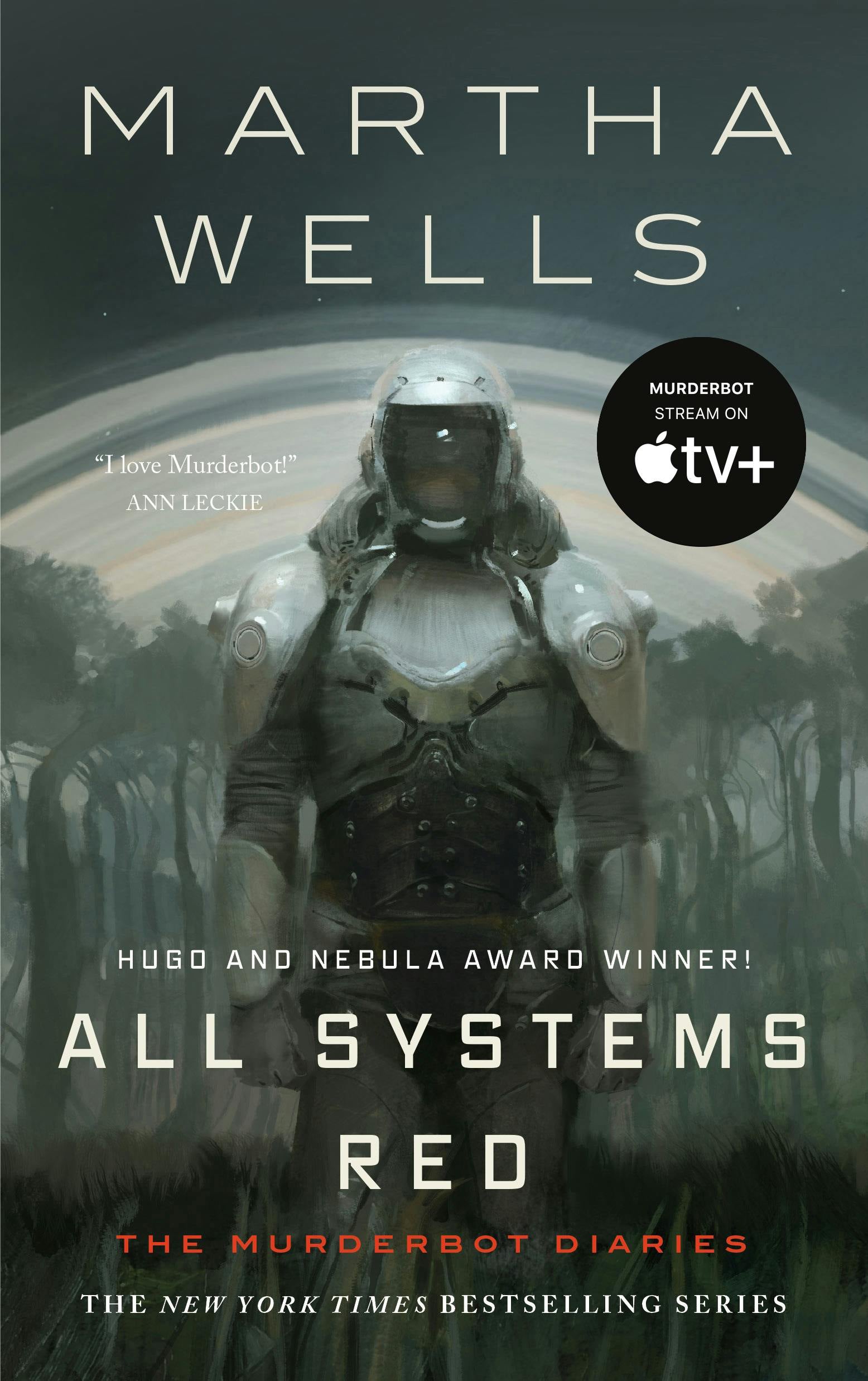
The Diaries Murderbot series
By Martha Wells
Tor Books, 2017 – presenting
The final of the television series season Murder Released in early July on Apple TV +, concluding the first season of the Buzzworthy adaptation of the series of well-loved science fiction novels by Martha Wells, The Murderbot Diaries. But I could not help wondering: would the Murderbot holder appreciate the television program? In Wells’ books, Murderbot (a cyborg security unit assigned to scientists on a dangerous planet) is a connoisseur of Saccharine romantic soap opera, which the television version puts intelligently. Apple TV + surprised me with a reflected and creative adaptation of books, deeply plunging into the dynamics of the group of the planetary research team – the television writers have even created and resolved, a “thrust” drama in surprisingly well. In books, Wells creates a credible and adorable cyborg with its creative exploration of neuroscience – “mixing brains and computer circuits is not only science fiction”, there is a real science behind it, wrote American scientistThe associate editor of Mind and Brain Allison Parshall in a recent article. Of course, the books are better than the show (isn’t it usually?). But the television adaptation of these heavy novels of internal dialogue does justice to murder – or at least as much justice as you can expect in the spatial sector of Rim Corporation. The online reactor magazine published a news from Murderbot by Martha Wells on the same day that the final was broadcast. –BK
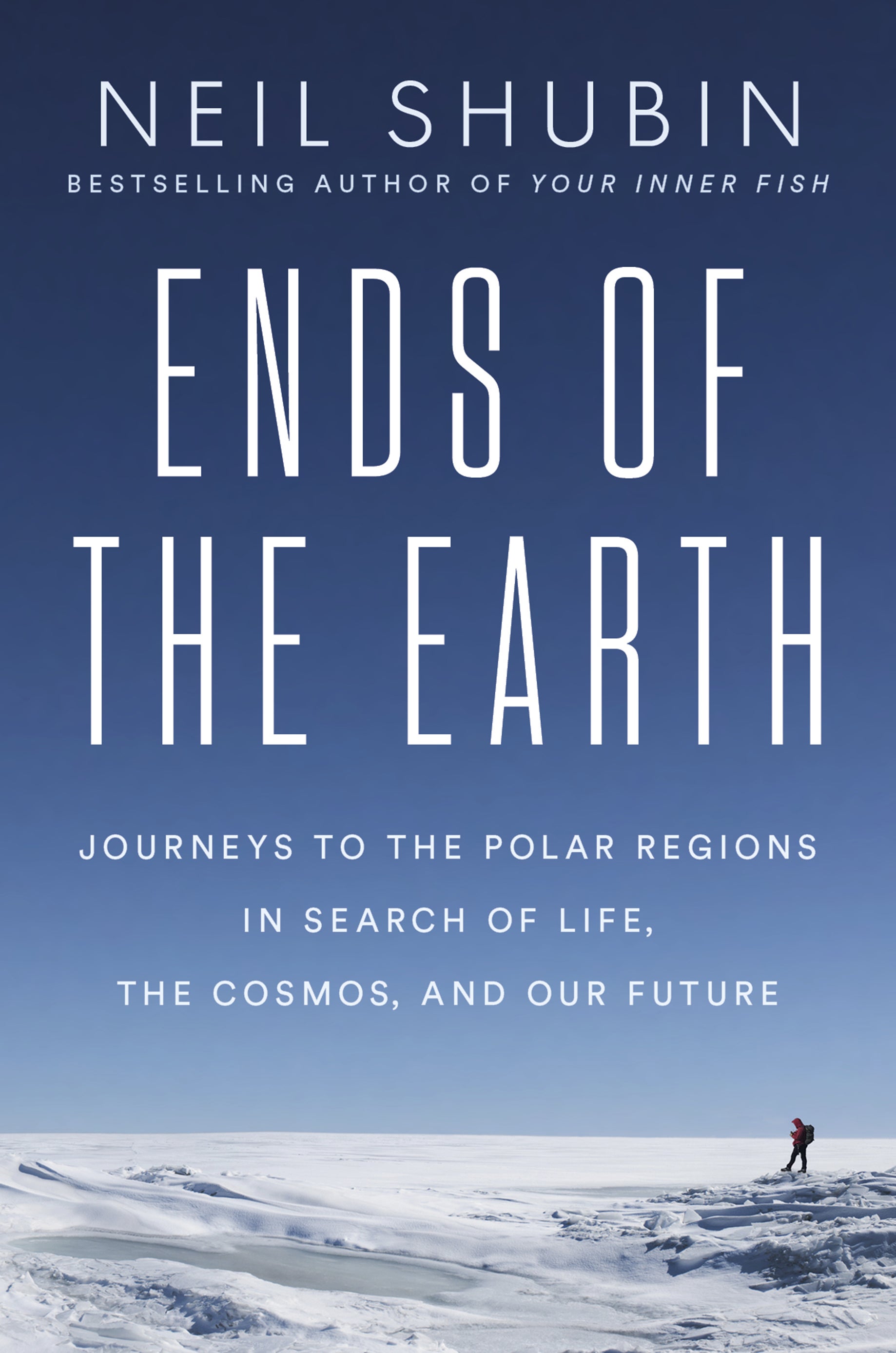
Fine of the earth: Journeys towards the polar regions in search of life, the cosmos and our future
by Neil Shubin
Dutton, February 2025
The north and southern poles could not feel more distant. But for Neil Shubin, paleontologist and evolutionary biologist, they are both familiar and complete linked to the history of the planet Earth. Shubin, who co-discovered Tiktaalik Roseae,, A fossil of 375 million years of a hybrid creature, something between a fish and a living animal, has made a career to chase the old signs of life to the poles. In his latest book, End of the earth, Shubin gives a radical overview of how the ice tells our cosmic story. For example, geochemical analyzes of the more than 50,000 meteorites collected in Antarctica have contributed to identifying the time of the formation of the solar system. And the fluctuation in the size of the glaciers has dictated the world weather and sea level for millions of years. In fact, polar ice has established ocean currents and wind patterns that led to variable weather conditions in East Africa millions of years ago. Some anthropologists believe that by adapting to such different environments, our ancestors have developed larger brains and cognitive capacities. The most striking, however, is the speed with which polar ice is currently changing, he says. “Our fragile window to understand the cosmos, the planet and ourselves closes,” writes Shubin. –Andrea Gawrylewski
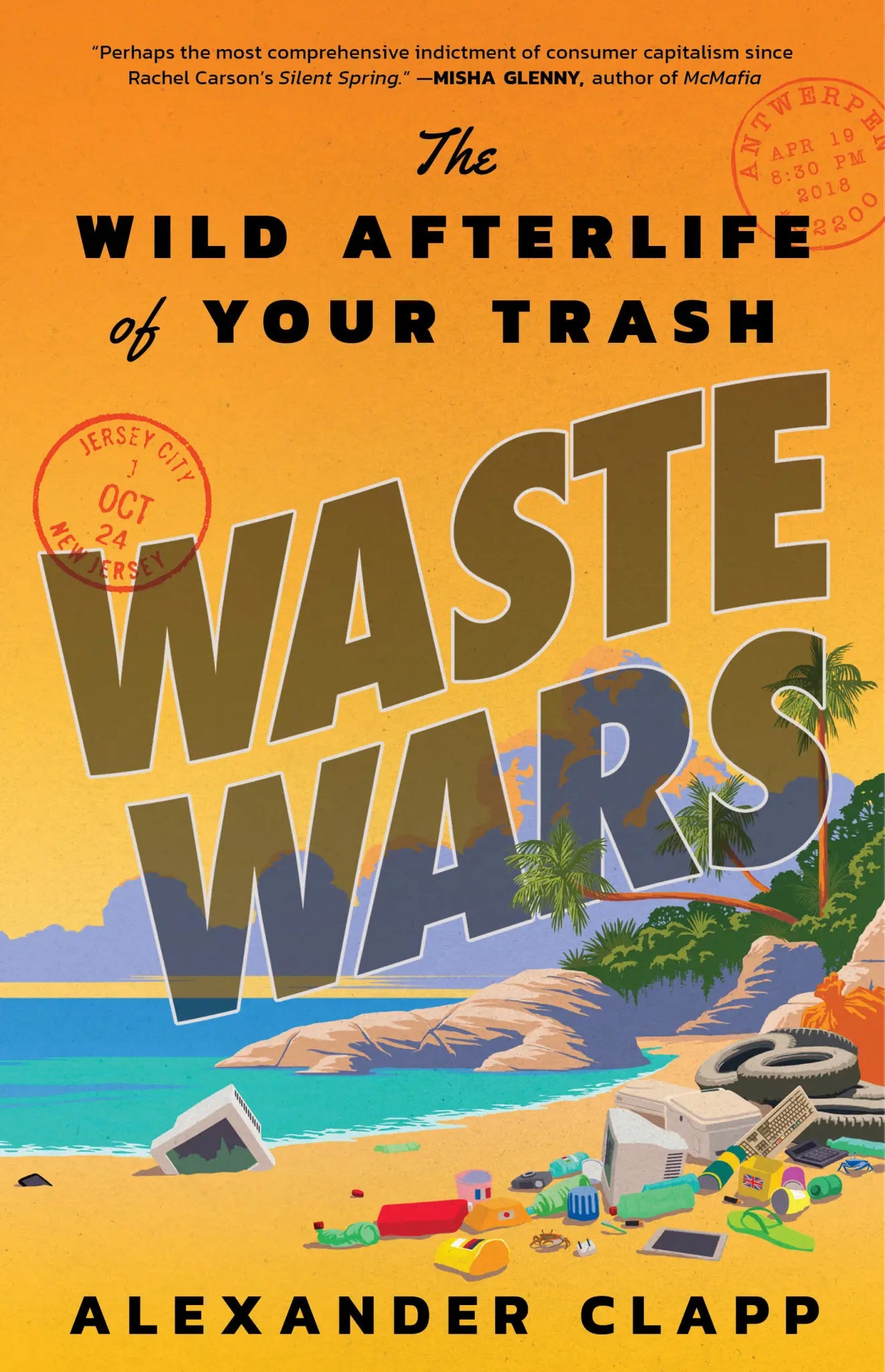
Waste Wars: The wilderness of your waste
By Alexander Clapp
Little, Brown and Company, February 2025
Billions of dollars are spent each year to move countless tonnes of waste all over the world in a black waste market – and no one knows exactly where everything is going or that makes a profit. The scientific journalist Alexander Clapp spent two years living in a backpack in search of toxic emptying sites hidden deeply in non -mapped jungles and to cross mountains of visible space of space for his new book Waste war. “Many global waste in the last 30 to 40 years have visited poor countries under the pretext that it is recycled,” said Clapp American scientist in a recent interview. But humans decompose this waste in a deadly and dangerous process that releases toxic chemicals in air and water, he said, and these chemicals disproportionately affect the most vulnerable populations. “If you send waste to another country, you do not call it waste on an export document – you call it recyclable equipment,” added Clapp. “One thing I hope that my book encourages or leads people to question, how many of our waste really move in the world.” –BK


