In Pompeii, new evidence shows signs of life post-eruption


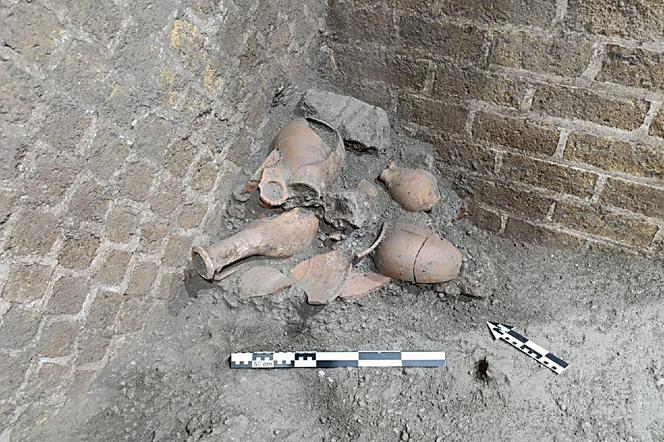
Archaeologists have discovered new evidence indicating the reoccupation of Pompeii after the eruption of 79 after JC in Vesuvius which left the city in ruins, said the directors of the famous site on Wednesday, August 6.
Despite the massive destruction suffered by Pompeii, an ancient Roman city which houses more than 20,000 people before the eruption, some survivors who could not afford to start a new life elsewhere would have returned to live in the devastated area. Archaeologists believe that they were joined by others in search of a place to settle down and hope to find precious objects left by the previous residents of Pompeii in the rubble.
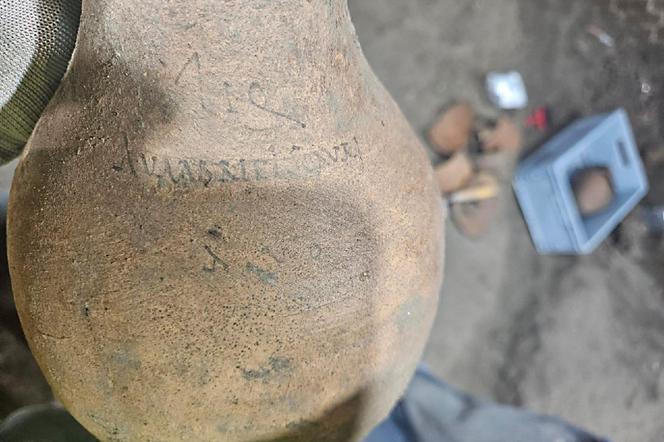
“To judge by the archaeological data, it must be an informal regulation where people lived in precarious conditions, without the infrastructure and the typical services of a Roman city”, before the region was completely abandoned in the 5th century, they said in a statement. While a life returned to the upper floors of the old houses, the old floor floors were converted into cellars with ovens and mills.
15 to 20% of the population died in eruption
“Thanks to the new excavations, the image is now clearer: Pompeii Reemerge Post-79, more than a city, a precarious and gray agglomeration, a sort of camp, a favela among the still recognizable ruins of the Pompeii which was formerly,” said Gabriel Zuichtriegel, director of the site.
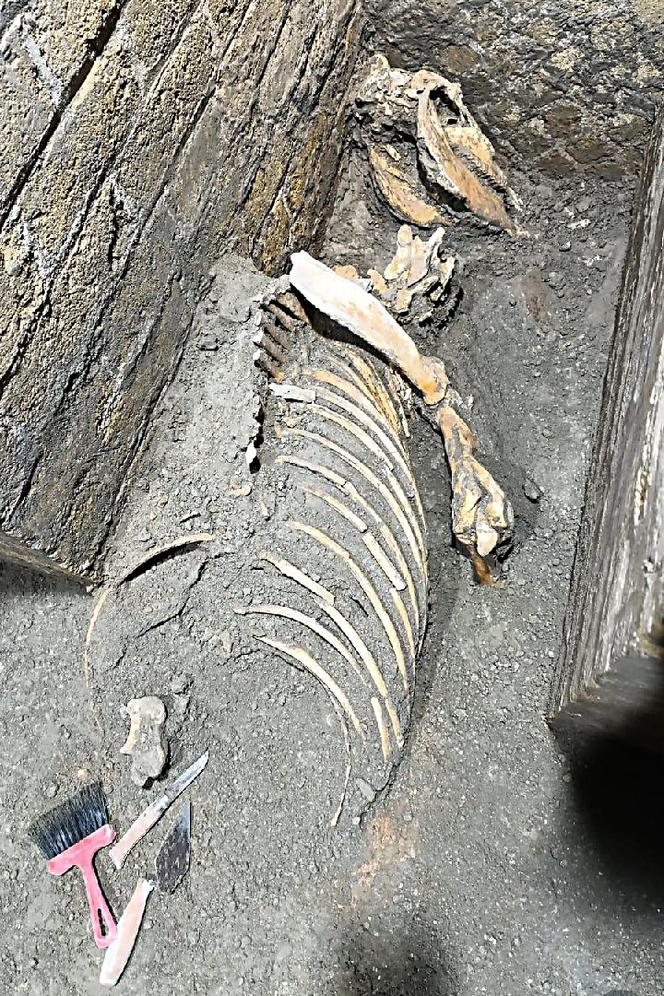
Archaeologists estimate that 15 to 20% of the Pompeii population died in the eruption, mainly a thermal shock as a giant gas and ash cloud covered the city.
Evidence that the site has been reoccupied had been detected in the past, but in a rush to access the colorful frescoes of Pompeii and to still intact houses, “the weak traces of the reoccupation of the site have been literally deleted and often swept away without any documentation.” “The capital episode of the destruction of the city in 79 AD SHIPOLISE THE MEMORY,” said ZuCHTRIGEL.
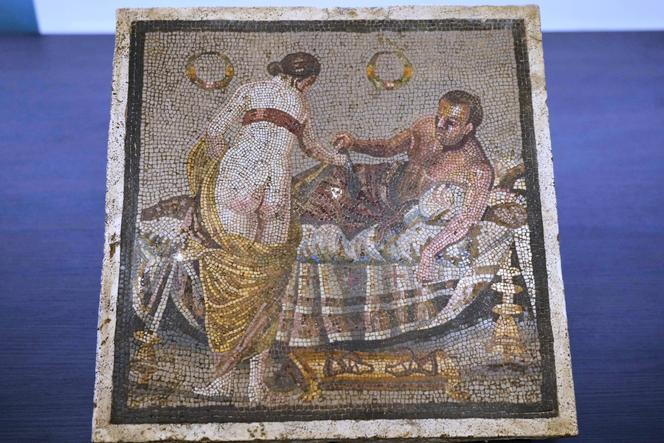
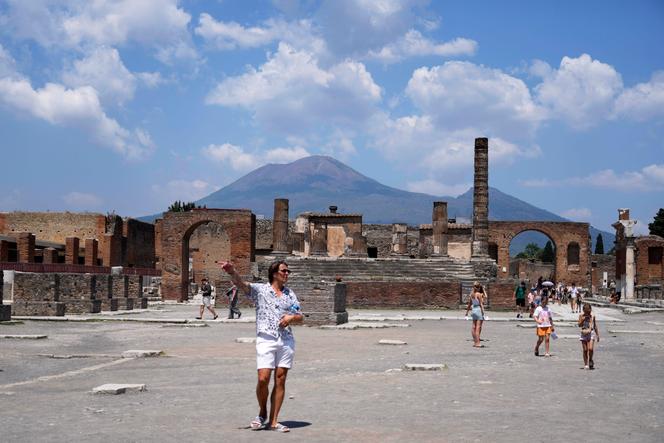
The volcanic ashes then buried the Roman city, perfectly preserving houses, public buildings, objects and even the people until their discovery at the end of the 16th century.
Subscription
€ 2.49 € / month for the first year
Get unlimited access to the world in English articles.
Learn more
UNESCO World Heritage Site, Pompeii is the second tourist place visited by Italy after the Colosseum in Rome, with some 4.17 million visitors last year. It covers a total area of approximately 22 hectares (54.4 acres), a third of which is still buried under ashes.


