‘Wartime cannibalism’ unearthed in prehistoric Spanish cave


Horrible evidence of chaos, murder and even cannibalism sometimes appear in the middle of clay pots and stone tools unearthed by archaeologists. For 11 Neolithic humans living in what is now Spain, cannibalism can be a form of social control and has been an attempt at ultimate elimination, according to a study published on August 7 in the journal Scientific relationships.
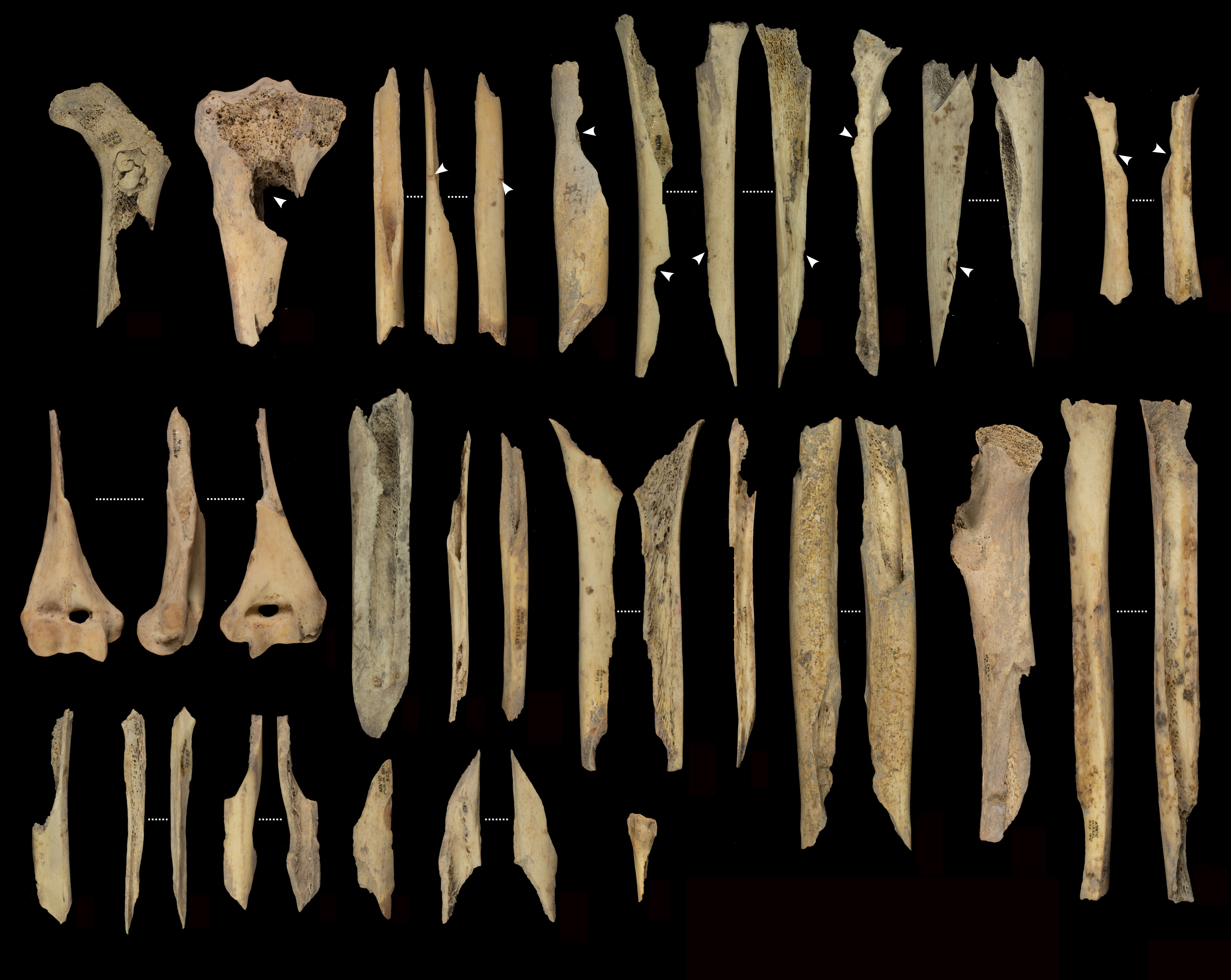
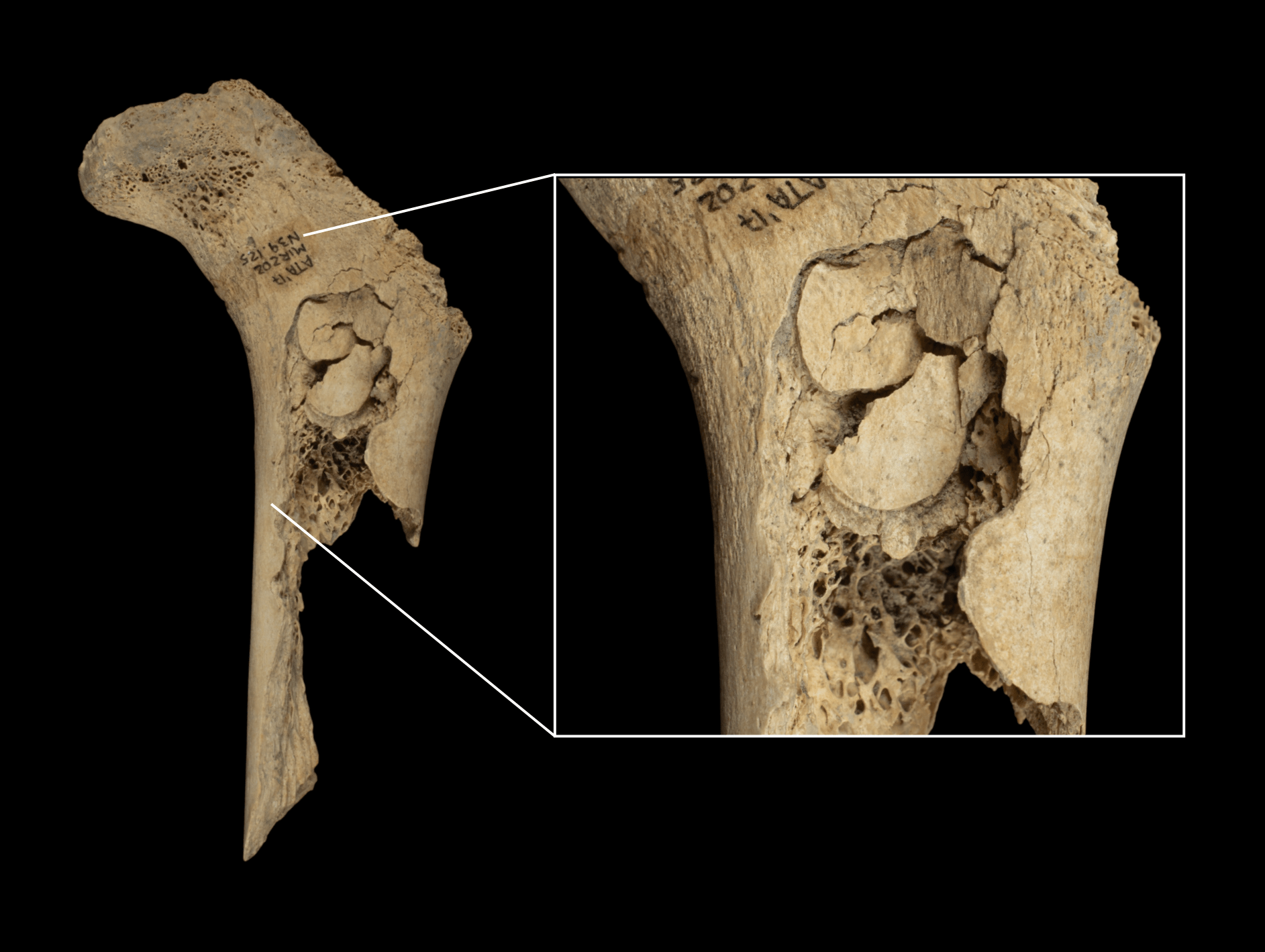
Some of the human bones aged approximately 5,700 years discovered in El Mirador Cave in northern Spain show the tell tale signs of cannibalism: cremation, marks of human teeth or butcher, which has probably been treated posthumous. And not because someone was hungry.
“We believe that this is a case of cannibalism in wartime, in which a group has attacked and consumed members of another, perhaps as a means of asserting control and strengthening social domination”, known as Francesc Marginedas, co-author and archaeologist of the study Popular science.
From cattle to cannibalism
The individuals of this study lived on the Ibrean peninsula at the end of the Neolithic (about 6,500 to 5,000 years ago). People who settle in here were in major changes compared to lifestyles formerly nomads. The communities began to cultivate and raise animals and to live in more permanent or semi-permanent colonies. Collective burials have also started to become common and signs of social differences between groups began to appear.
These major lifestyle changes are visible in the El Mirador cave where the remains were found in the early 2000s. The site was used as a pregnant for cattle, but according to the co-author of the study and archaeologist Antonio Rodríguez-Hidalgo, this has radically changed.
“The striking episode of cannibalism, seems to point out the end of the use of the cave for breeding and the beginning of its role as a place of collective burial”, explains Rodríguez-Hidalgo Popular science. “This reflects how life, death and the ritual were deeply linked during this period.”

To achieve this conclusion, the team of the Catalan Institute of Human Paleoecology and Social Evolution (Iphs) in Tarragona analyzed 650 individual fragments of human remains with signs of modifications after death. The team believes that children, adolescents and adults are all considered to be among the remains and isotopic analysis indicates that they were all local in the region.
Among the remains, 222 had color changes associated with cremation, while 69 of these bones had butcher’s signs probably made after death. In addition, 132 remains had also presented cutting marks, including slicing, scratching and chopping. These marks can be associated with the skin and the elimination of flesh, and some of the remains have possible signs of human teeth marks.
Not a burial or a famine
The team believes that this indicates cannibalism in wartime, which has been used as a means of control over a rival population. Cannibalism is one of the most complex behaviors that archaeologists can interpret. The necessary evidence often disappears over thousands of years and it is difficult to understand the act of humans consuming humans. According to the team.
The margina also indicate that evidence of similar incidents in the region during this moment have not yet been discovered. This means that it is unlikely that it is a case of funeral cannibalism or a Neolithic funerary right.
“Likewise, there is no indication of a resource crisis which suggests that it was an act of cannibalism of survival,” he explains.
In addition, the trauma on the bones does not seem to have taken place before death. This model of modifications seems to be the most consistent with the butcher’s shop and not the wounds suffered during fighting or a winner by removing a part of the body as a trophy.
“The evidence indicates a violent episode, given the speed with which all this occurred – the result of conflict between neighboring agricultural communities,” said Marghedas in a press release accompanying the publication of the study.

Two of a genre
This research is based on discoveries prior to El Mirador Cave. An example of a separate and more recent case of cannibalism (during the Bronze Age, between 4,600 and 4,100 years) was documented there and that these new discoveries indicate that this practice had already been in place 1500 years earlier.
“What is most striking is that we are dealing with two completely independent events: one of the Neolithic period and another from the Bronze Age,” added Rodríguez-Hidalgo. “They differ in a very singular characteristic: in the Bronze Age event, alongside the evidence of cannibalism, we have documented the manufacture of the skull cups ” – human skulls shaped in Bol -type shapes, probably for ritual or ceremonial use during the consumption of human remains.”
The two incidents show that two distinct cannibal traditions must have existed in this only area, separated by centuries and how bodies have been treated. According to the Marginedas, “it leads us to think that cannibalism may have been more common in the past than we thought before.”

More offers, reviews and purchasing guides


