Nagasaki marks 80th A-bomb anniversary as survivors put hopes of nuke ban in the hands of youth


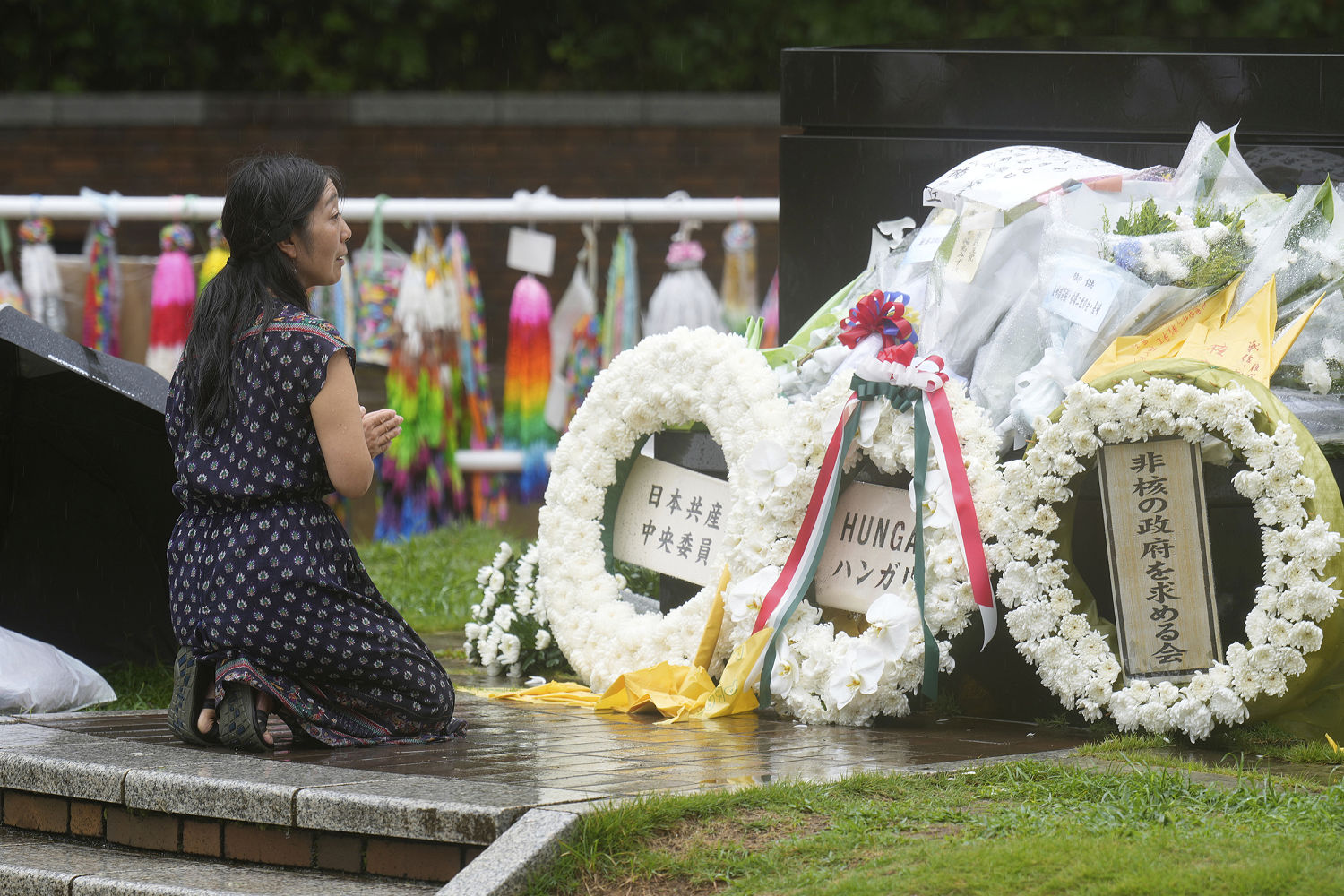
Nagasaki, Japan – Nagasaki marks the American atomic attack on the Southern Japanese city 80 years ago and the attack survivors are working to make their hometown last place on earth struck by the bomb.
Despite their pain in wounds, discrimination and radiation diseases, survivors have publicly committed to a shared objective of abolishing nuclear weapons. But recently, they are concerned that the world moves in the opposite direction while the birthday is commemorated on Saturday.
The atomic bomb was abandoned by the United States on Nagasaki on August 9, 1945, killed some 70,000 people, three days after the bombing of Hiroshima killed 140,000. Japan went on August 15, 1945, ending the Second World War and the almost half-century of assault in Asia.
The aging survivors and their supporters in Nagasaki have now put their hope of reaching the abolition of nuclear weapons in the hands of young people, telling them that attack is not a distant story, but a problem that remains relevant for their future.
Teruko Yokoyama, a member of 83 years of an organization of Nagasaki supporting the survivors, said that she felt the absence of those she worked, which fuels her strong desire to document the lives of the remaining survivors.
The number of survivors fell to 99,130, about a quarter of the original number, their average age greater than 86 years. The survivors are concerned about the discoloration of memories, because the youngest of the survivors were too young to clearly remember the attack.
“We have to keep up registers of atomic damages of survivors and their history for life,” said Yokoyama, the two sisters of which died after suffering from radiation diseases.
Its organization began to digitize the tales of survivors to see YouTube and other social media platforms with the help of a new generation.
“There are young people who are starting to act,” Yokoyama told the Associated Press on Friday. “So I think we don’t have to be depressed yet.”
On Friday, Nagasaki organized a “peace forum” where the survivors shared their stories with more than 300 young people from all over the country. Seiichiro Mise, a 90 -year -old survivor, said that he will give seeds of “flowers of peace” to the young generation in the hope of seeing them bloom.
Saturday at 11:02 am, when the plutonium bomb exploded above Nagasaki, the participants should began to observe a moment of silence as a bell of peace.
About 3,000 people, including representatives of 95 countries, had to attend the event at the Nagasaki Peace Park, where mayor Shiro Suzuki and Prime Minister Shigeru Ishiba were to speak.
The twin bells of the Urakami cathedral, which were destroyed in the attack, must go up together for the first time. One of the bells had missed the attack, but was restored by volunteers.
The survivors and their families began to pay tribute to the park, as well as to the hiding park nearby, a few hours before the official ceremony.
The survivors are frustrated by a growing nuclear threat and support among international leaders to develop or have nuclear deterrent weapons. They criticize the Japanese government’s refusal to sign or even participate in the prohibition of nuclear weapons because Japan, as an American ally, needs American nuclear possession as a deterrence.
Nagasaki invited representatives of all countries to attend the ceremony on Saturday. China notably informed the city that it would not be present without providing reason.
Last year, the ceremony sparked controversy due to the absence of the American ambassador and other Western envoys in response to the Japanese city’s refusal to invite Israel.