Which animal has the best hearing?


While a bat crosses the night sky, it pushes high frequency calls and listens to echo sound waves to sail in the dark forest. These towering can be above the auditory beach of most animals, but not the biggest wax butterflywhich can hear frequencies up to 300 kilohertz – about 15 times higher than Upper Range of human ears. Feeling the call of the bat, the butterfly knows that its predator is approaching, and it moves away just in time.
Batdles and larger wax butterflies are frequently mentioned as having some of the best ears in the world. But what animals really have the best hearing?
“What is” the best “is always relative,” said Christine KöppplProfessor of Physiology of the Cochleaire and auditory brainstem at the University of Oldenburg in Germany. The sensitivity, the ability to distinguish between similar sounds, and the ability to locate sounds are all different factors that create the feeling of hearing an animal, Köppl told Live Science in an email. Factors like these make it difficult to rank the animal audience. However, there are major competitors.
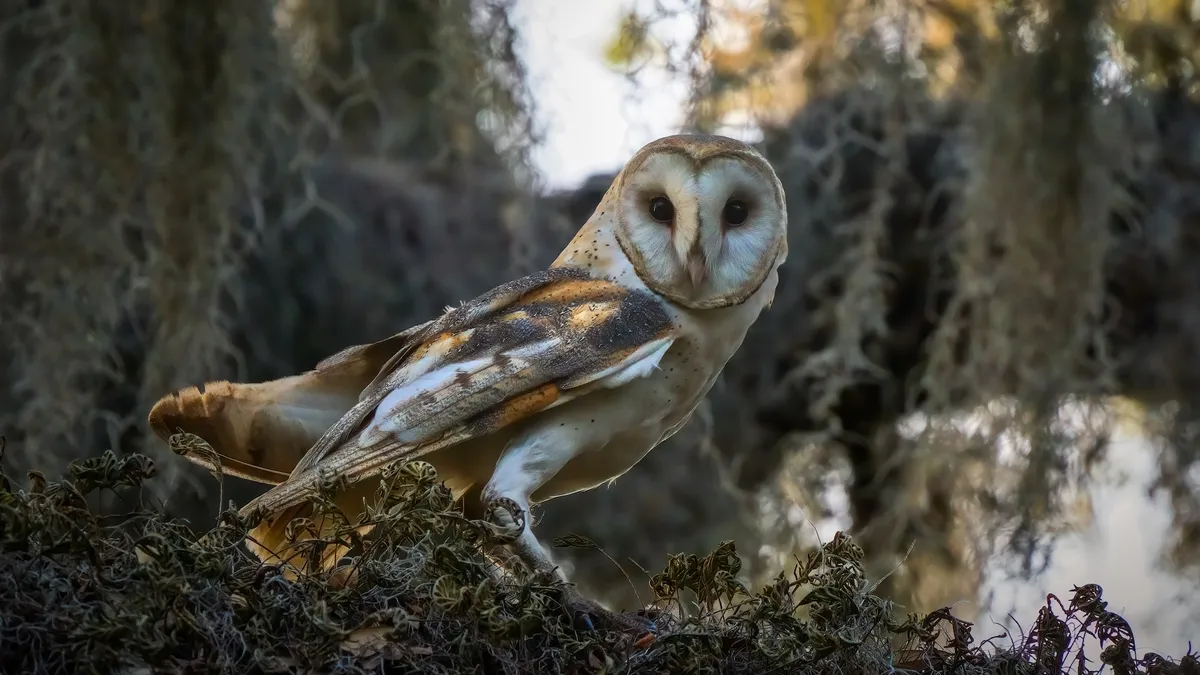
Hear to identify prey: owls
Regarding animal hearing systems, Köpppl is a big barn fan owl (Tyto Alba).
“I worked on Barn Owls, so they are above my list,” she said. “All its hearing system was shaped by its night hunting habits and the ability to locate prey precisely by listening.”
The owls hunt at night, they therefore use their ultra -sensitive hearing to complete their vision in low light conditions. They can detect the rustle of a mouse sabac under thick layers of snow or leaves and quickly identify their prey.
The owls accomplish this through a few key adaptations. First of all, the feathers around their face create a flat shape, which helps channel sound waves in their ears. Their right and left ears are also at slightly different heights, which means that the sound waves reach both ears at slightly different times. The owls can use this small difference in the sound detected between their left and right ears to Calculate the location of a sound.
In relation: Which animal has the biggest ears?

Hear to map the world: bats and dolphins
Although they live in completely different environments, bats and dolphins share an impressive line: the echolocation capacity.
“I love the ears of dolphin and bats, because they do not simply collect the sound and treat it, but they use it for the active imagery of their environment,” said Darlene KettenAn emeritus researcher at Woods Hole Oceanographic Institution.
The echolocation consists in producing a sound that bounces objects in the environment, then listening to the waves of its return. Thanks to this method, dolphins and certain species of bats can create a Mental card of their environment Use of sound. Sonar is based on the same technique, but the echolocation of dolphins and bats is more advanced than human manufacturing technology, said Ketten.
“We are roughly constantly surprised by complexity, the sophistication of what they can do with sound,” Ketten said about his research on dolphins.
Bats have some features that help support echolocation. First of all, their large external ears help collect sound waves. Secondly, the structures of their brain that treats hearing information is enormous – similar to the way a large part of the human brain is devoted to visual treatment.
Dolphins need a lot of brain to echo – their hearing nerve is on Two or three times thicker Like many terrestrial mammals – but their ears work a little differently from those of terrestrial animals such as bats. Indeed instead, dolphins probably use Fat deposits around their jaw To detect sound waves traveling in the water.
Both bat And dolphins Also have special mechanisms in their ear which help cancel the noise of their echolocation calls so that they are not deaf by their own vocalizations.
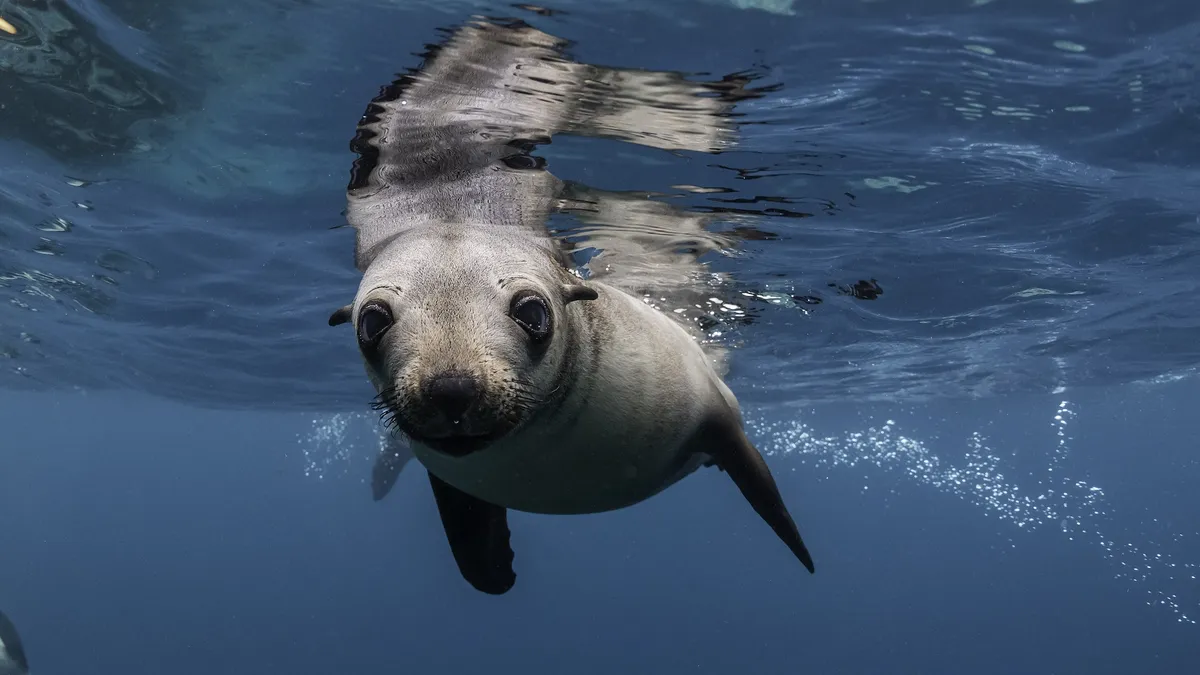
Hear above and below the water: Pinniped
Brandon SouthallPresident and main scientist for Southall Environmental Associates, thinks that the crown of the best hearing should go to an often overlooked animal group: Pinnipeds, which include seals, bites and sea lions.
“They do it almost impossible to have to hear both above and below the water,” said Southall.
Each animal has a hearing system that is set to the environment where it spends most of its time. Think about how when you dip your head underwater, the sound becomes muffled, deformed and difficult to identify. This is because our ears are designed to detect sound waves traveling in the air, so sound waves traveling through the water of distorted and strange sound for us. The same goes for marine animals – their ears are designed to detect sound waves traveling in the water.
“If you take a dolphin and put it in the air, it is practically deaf and has no directionality,” said Southall.
But because the Pinnipeds hunt in the ocean and mate and raise young people on earth, they must hear well on earth and in water. In fact, said Southall, some pinnipedes can hear almost as well as owls on earth, and some can hear almost as well as dolphins underwater. While working in the field, Southall has even seen seals react to the sound of snow to crack up to 1 mile (1.6 kilometer).
To hear so well on earth and in water, Pinnipeds use a unique mechanism: they fill the empty space in their average blood ears while swimming. This allows underwater sound waves to continue to travel through a liquid in the middle ear, minimizing any sound distortion. When the seals return to the ground, their ears are filled with air again, allowing them to hear sound waves move in the air.
It’s “breathtaking,” said Southall.


