Section 453 is the latest battleground over when pesticide makers can be sued


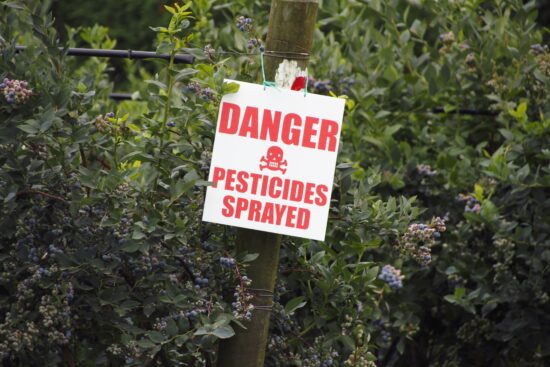
The third law of Newton’s movement is that for each action, there is an equal and opposite reaction. An example of this is currently pesticides and food security and other health problems.
The two amazing jury verdicts for billions of dollars for the “warn failure” of the complainants injured by glyphosate sold as the popular “Roundup” brand to those who wish to store weeds of the rear court.
Then, the manufacturers of Bayer / Monsanto pesticides went to the legislatures of the States, tailoring of several to prohibit these prosecution. And they have now taken the federal label, the insertion of article 453 of the Chamber’s credit committee, which heads for a vote in the full chamber, followed by the US Senate.
The legislative language moving through the congress to prevent anyone from holding the manufacturers of pesticides responsible for the damage caused by its products is now opposed to a large coalition of organizations.
They published a joint declaration opposing a dramatic change in a fundamental legal law.
The document “Protect the right of farmers, consumers and workers to keep pesticide companies responsible for their harmful products”, is approved by 51 organizations, coalitions, companies and managers representing tens of thousands of members and communities.
Glyphosate is classified as cancer by the International Agency for Research on Cancer, part of the World Health Organization (WHO).
“With the massive dismantling of the American Agency for Environmental Protection (EPA) by the current administration, the congress has sought, through the bills of credits, to limit the surveillance of the court, which, in many cases, serves as a backstop for public health and environmental protections,” explains Jay Feldman, Executive Director of Beyond Pesticides.
“The challenges faced by agricultural workers are deep; From exposure to limited protections, our communities are already on the sidelines, women and children experiencing the most serious impacts of contacts of forced pesticides, ”adds Mily Trevino-Sauceda, executive director of Alianza Nacional de Campesinas. “This legislation would reduce their access to justice with this inhuman introduction to the language of the shield of the immunity of pesticides. There is no victory to harm the very workforce that feeds this nation. ”
Pesticide manufacturers and agricultural interests support article 453.
The action of the previous state was greater than “contradictory labeling requirements on these essential agricultural inputs”, according to the pro-section 453 Modern AG alliance.
“These erroneous and non -scientific efforts threaten farmers’ access to the tools they have used for generations – tools such as glyphosate, the most commonly used herbicide. If it is not controlled,” said the alliance. “Other culture protection products will also soon be at risk, increasing costs for farmers and compromises the affordability of our food supply.”
The modern AG alliance claims to be “a diversified coalition of agricultural stakeholders who recommend continuous access to American farmers to the culture protection tools they need to ensure that we have a robust and affordable domestic food supply”.
The anti-453 coalition calls for congress to:
- DISMISSThe provision, article 453, adopted within the Chamber of credits and credits of the EPA and the full committee of credits, in the bill of the final chamber;
- DISMISSThe language of article 453 is attached to the bill on the credits of the Senate; And
- DISMISSLanguage of article 453 to be incorporated into the final credits bill.
The joint document focuses on five essential elements for the protection of public health and security in a climate of deregulation, with reductions in federal funding for environmental and related programs:
- Legacy. The courts have long served as a place for farmers, consumers and workers to keep manufacturers of chemicals responsible for not warning of the dangers of their products, including the potential chronic unfavorable health results, on product labels.
- Label. EPA pesticide products are not necessary to display long -term effects such as cancer and reproductive problems linked to exposure.
- Legal. Article 453 in the Credit Bill of the Chamber would prohibit cases like those filed by those injured by glyphosate (Roundup) in the future, which won jury verdicts and compensation.
- Sustainable. The language of the invoice of the Chamber deletes the incitement to the manufacturers of chemicals, under the threat of compensatory and punitive damages, to develop safer products or to completely eliminate products – making the necessary critical change towards practices and products of land management and non -toxic, less toxic buildings, to protect health and the environment.
- Law. The legislative history added to the bill in a committee will not do much to guarantee a fully functional EPA and effective reparation of the courts.
(To register for a free subscription to Food Safety News, Click here.)

%20top%20art%20122025%20SOURCE%20Molly%20Higgins.jpg?w=390&resize=390,220&ssl=1 "Here’s What It’s Like to Use Acuity Scheduling for Your Business or Side Hustle (2026)")


