Are ‘hot’ workout classes better?


Many of us were there: head for a group fitness studio to be struck with a heat wall. You thought it was just supposed to be a pilates lesson, but for any reason, it took place in a mirror sauna. With each movement, the intensity seems amplified and the burn becomes a double hearing. Then you are very exhausted. It must mean that you have a very effective training, right? Not necessarily.
The warm fitness trend has taken steam in recent years. What started with yoga has become a complete heat wave. Large gym channels now offer hot HIIT versions, strength training and pilates lessons. Some national fitness studios have fully built their mark on the idea of hot offers, claiming more intense training as well as detoxification, cardiovascular, weight loss and muscle advantages.
However, all these statements do not accumulate science. The exercise is undoubtedly good for you, but the experts say that you do not have to add heat to the mixture to harvest the rewards of a healthy movement. In some cases, hot workouts could even be less effective than fitness sessions at room temperature. Here’s how to understand when increasing heat and when relaxing.
Work warmer, no harder
The human body works better in a narrow internal temperature range, around 97 to 99 degrees Fahrenheit. Go too much beyond that and systems, including organ systems – to be failed. Thus, our body does a lot to thermorée and stay in this ideal area.
The exercise itself increases body temperature due to all additional heat produced by the involved cellular work. To refresh ourselves, we sweat. When you do the exercise in hot conditions, your body must make additional efforts to stay in the fridge, triggering a cascade of corporal stressors, says Rachael Nelson, physiologist of the exercise at central Michigan university, said Popular science. You will sweat more and lose more liquids and blood volume. Note: perspiration is not synonymous with detoxification. There are no cleaning advantages.
In response to this additional loss of fluid (that is to say dehydration), your heart must pump louder and faster to keep the muscles provided with blood. Staying cool also requires moving blood on the surface of the skin to unload heat outside the body. Again, it forces the heart to work more, and with fewer resources, explains Nelson.
Your “heart rate will be high,” she says, do training “will feel more difficult, but you really do the same amount of work”.
This resumes in research. In a 2017 study co-written by Nelson, participants in the Fitness class said they had obtained more intense training and working harder in a 20-minute hot yoga session compared to an identical room temperature session. However, their oxygen consumption in the two contexts was almost equal, indicating that they exercised the same amount of physical effort. The participants’ heart rate was higher during the hot class, but this additional cardiovascular stress was not translated as a more bodily work as a whole.
Related health stories
In fact, if you are not used to the burn, train in a hot setting can lead you to train less hard, explains Stacy Hunter-Cooper, physiologist at Texas State University. “When you are in the heat, you sometimes have to take breaks because the effort is so demanding. This additional psychological challenge could mean “You want to draw less than a training session when you exercise in the heat.”
Again, research demonstrates it, Craig Crandall, professor of internal medicine at the University of Texas Southwestern Medical Center, tells Popular science. In hot environments, “the effectiveness of training is often lower.” A person who runs two miles will do it more quickly at 60 degrees Fahrenheit than 104 degrees, says Cradall, and feels less tired later. They will also be better ready to go further and faster, if they are invited to push themselves to their physical limit. “You are going to do more work in this 60 degree room,” against a warmer space, he says. So, if you try to develop muscles or endurance, heating training is probably not the easiest way to do so.
Health of heat and heart
There is a largely undisputed advantage of working in the heat that you will not get the exercise in an air -conditioned room: heat acclimatization. The hot exercise makes you better to Hot Exercise, if you do it frequently and in a consistent manner, Craig Crandall, professor of internal medicine at the University of Texas Southwestern University, tells Popular science. We can adapt to heat, to a certain point.
Studies on athletes regularly show that with regular exposure, performances in hot conditions are improving over time. Heat acclimatization can cause physiological changes, including an increase in blood volume, an increase in the volume of perspiration and potential changes in the effectiveness of your blood vessels react to these volume and stress alterations. Together, these factors mean that your heart should work less hard in hot conditions.
However, not all research has reached the same conclusion here, and the effects and benefits can vary depending on the regularity of the exposure, the type of exercise or between the athletes and the medium joes.
For example, in a 12-week study involving 52 sedentary adults but otherwise in good health, Hunter-Cooper found no additional vascular advantage to attend yoga sessions heated three times a week, compared to sessions at room temperature. It entered this study by believing that they would find a combined complementary effect of heat and movement, but “our hypothesis was not supported by the data”.
Instead, yoga in any form seemed to confer a vascular health boost and the heat did not significantly increase the effect. This could mean that three 90 -minute yoga sessions per week are not enough to cause heat acclimatization. Or this could mean that the advantages of heat acclimatization only pass through a certain level of athletic packaging or intensity of the exercise.
Crandall notes that three exercise sessions heated per week are probably the absolute minimum threshold to reach heat acclimatization – and really, daily is the best bet. If you engage in heated training less frequently than that, all you do is add acute stress to your heart and vascular system each time.
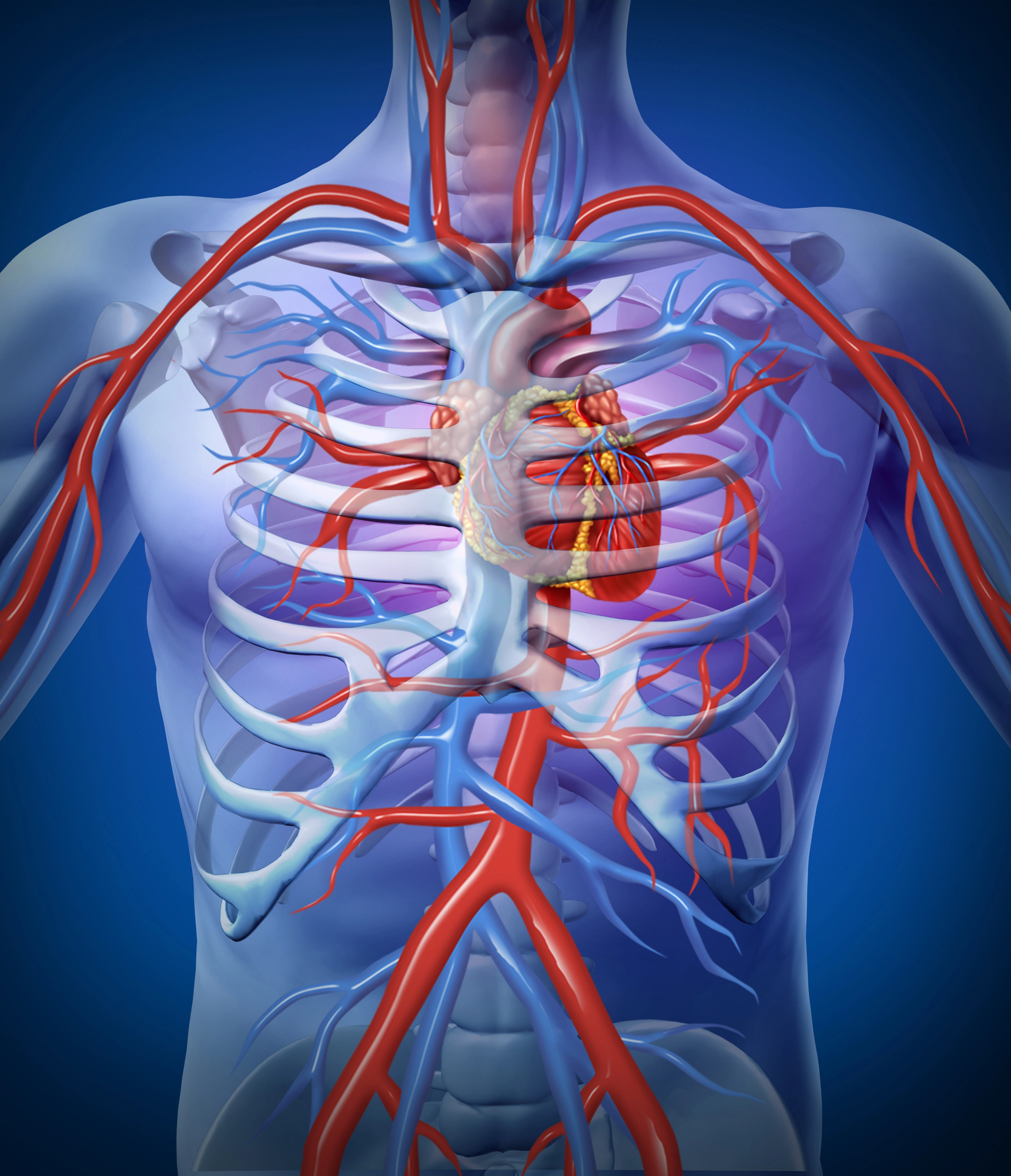
Stress on the heart is not necessarily a bad thing, if you are in good health enough to manage it. The exercise itself insists on the heart, towards the aim of stimulating long-term heart health, the organ adapts. For the moment, however, Cradall says that there is no clear answer as to whether the incoherent thermal stress offers a heart advantage. He points out that anyone with cardiovascular disease should consult their health care provider before trying a stormy training class.
The other virtues of Heat?
Beyond the acclimatization of heat, other advantages largely praised with hot training are based on limited research, often overestimated.
For example, there are statements on calories and weight loss. Our bodies make subtle metabolic adjustments during exercise in hot environments, Nelson notes. Cells preferentially metabolize carbohydrates on fat as temperatures increase. Because carbohydrates are a slightly less effective energy source, Nelson says that hot exercise can Burn more calories “but it is a very modest difference”, payable to an increase in a figure in a session of 30 to 60 minutes.
This could add up over time, she says, but it could also be that very tiring hot training leads people to compensate for this loss by encouraging more hunger. We do not yet have enough research to say definitively if or how hot training affects weight loss efforts, she said.
Likewise, some studies indicate that heat can increase the flexibility and amplitude of movements during stretching. But these trials were low and were largely limited to the application of direct heat to a member or muscle group – not simply by moving this muscle in a hot room.
Finally, Hunter-Cooper published a study in 2023 which revealed that hot yoga sessions lower blood pressure and reduce the negative impacts of a diet rich in sodium in participants. But this research was lacking in room temperature control for comparison. It is possible that the movement itself, and not the temperature, led the advantage.
“The most important type of exercise is the exercise that people are ready to engage,” she notes. If you like a heated workout, this is the kind of training you should do. And on the reverse, if you do not like the additional psychic and physical tension of a sweat fitness studio, there is no need subject to science to submit to this. “It all depends on your goals.”

More offers, reviews and purchasing guides