Monster catfish and its creepy smile invade PA rivers


Flat head fishing fish (Pylodictis Olivaris) May seem smiling perpetually, but these five -foot fish are not things that laughed in the regions where they do not belong. Opportunistic predators are now one of the best predators in the Susquehanna de Pennsylvania river, creating a major threat to the local food network. Without any natural predator to keep them under control, these huge fish can modify a river system in a few years.
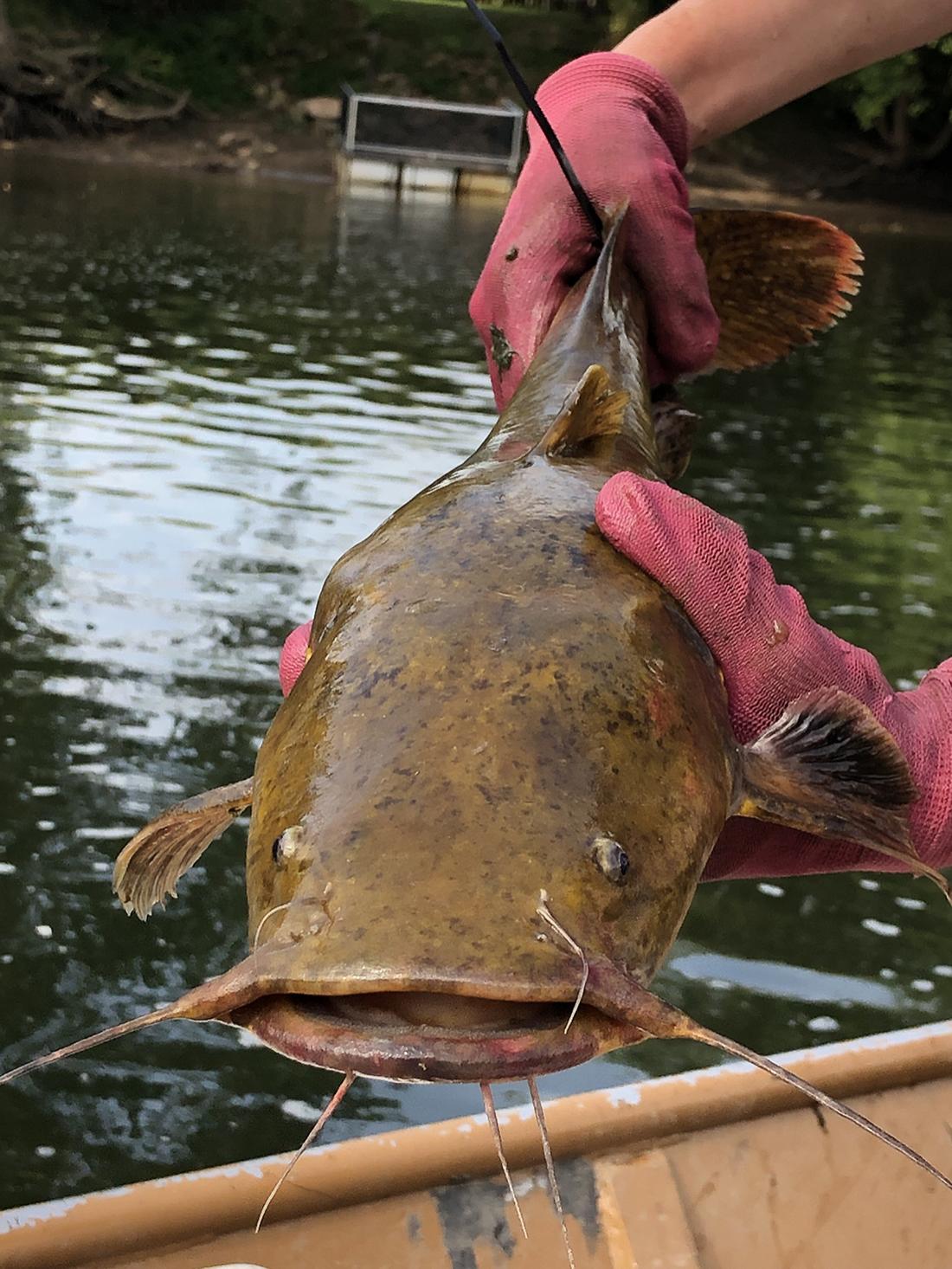
Meet the flat head fish
The flat head fishing fish is from several parts of the United States, including Missouri, Mississippi, Ohio and Rio Grande basins. They are the most recognizable by their large flat head (as its name suggests) and the lower jaw. It also has a distinctive tail fin contour which is square or slightly notched.
They are also very large. They can reach up to 60 inches long and weigh around 30 pounds on average. Some are even known to switch the balance to more than 100 pounds. According to Pennsylvania Sea Grant, their coloring can vary, but most adults have a back and sides of olive colored with dark brown marbles with yellow brown.
One thing that separates them from other species of catfish is their diet. They are considered compulsory carnivores and mainly attack living fish.
When the flat-headed catfish was introduced into the Altamaha river in Georgia, it eliminated the chat fish from the Taurus head and caused an 80% reduction in the number of red tabs. Flat head fishing fish has also eliminated native fish-fish populations in several North Carolina rivers.
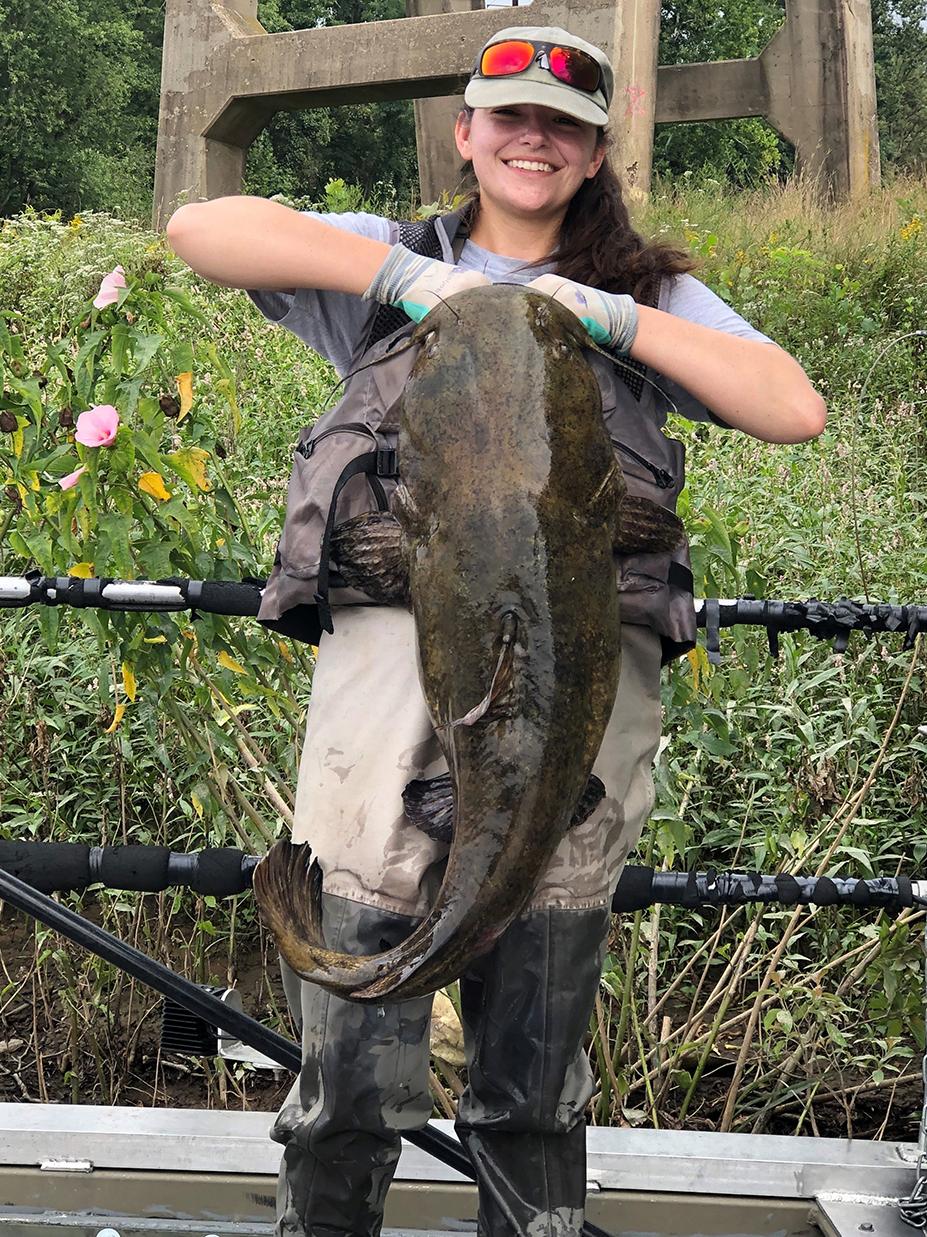
Giants in the state of Keystone
While the flat head fishing fish is from the west of Pennsylvania, the first report of the species in the Delaware Plus in the East river basin was of the Blue Marsh and the Susquehanna reservoir in the 1990s. Since then, they continued to spread in the regions of the Delaware, Schuylkill and Susquehanna rivers.
“The heads of the plates develop quickly in this river system, reach large body sizes and can eat a variety of prey,” said Olivia Hodgson, master’s student at the Penn State University, in a press release. “Because adult flat heads have few natural predators, flat head-heads can exercise strong control over the ecosystem.”
Hodgson is the co-author of a study recently published in the journal EcologyWhich has found that flat head catfish is now considered apex predators. They are higher on the food network than resident predators such as chain catfish and small mouths. Since the canal catfish now has a lower position in areas where flat head-head fish is present, they must eat lower on the food canvas. In flat-headed catfish areas, all species have shown wider and overlapping diets, depending on the study.
“This suggests that resident species change what they eat to avoid competing or eaten by the invader,” said Hodgson.
These results support the tropical disturbance hypothesis. When a new predator enters an ecosystem, the existing species must modify their behavior, diet and roles in the already established food network.
“This can destabilize ecosystems over time. Our study underlines how an invasive species can do more than simply reducing native populations – it can reshape whole food networks and change the way energy moves in ecosystems, “said Hodgson.
[ Related: Please stop releasing pet goldfish into the wild. ]
Large fish, small particles
The team also examined the ecological role played by various species in the Susquehanna river by looking at their isotopic niche. An isotopic niche is the range of carbon and nitrogen markers found in the fabrics of an organism.
When the fish eat, their bodies take the isotopic signature of their food. When sampling their tissues, scientists can measure nitrogen isotopes to determine what they eat. Carbon isotopes indicate how they use habitat. Comparison of isotopic signatures between regions may indicate both habitat changes and how fish migrate.
They collected a total of 279 fish (79 flat head fish, 45 bass with small mouths, 113 chat fish channels and 42 wines comprising nine species) and 64 crayfish for a stable isotopic analysis. All the samples have been dried in the oven and crushed with a fine powder using a mortar and a pestle for a process called stable isotopic analysis. This widely used scientific tool can help explain models in a food network, highlighting the links between the place where animals are positioned in the food network.
The stable isotopic analysis explained the models in Susquehanna’s food network in habitats that are already invaded by flat head-head and those who are not.
“This allowed us to understand the links between the different species of the network of river foods and how invasive species could lead to changes in the way native species interact and compete, what they eat and how their diet overlaps, and if they can be moved from the habitats preferred by invading it,” said Hodgson.
By understanding how these resources are used by fish, the team can better understand the potential competition for resources and how flat head catfish affects the habitats they take.
According to the Pennsylvania Sea Grant, prevention of the introduction and propagation of flat head-heads is currently the best way to protect natural habitats from damage. The agency recommends several prevention and control tips, including how to identify and report the catfish with flat heads, free up none that is captured and properly dispose of unused live baits.

More offers, reviews and purchasing guides


