The Brain Is Wider Than the Sky


Explore
POet Emily Dickinson’s famous line that the brain is wider than the sky captures the 10 books presented here. They are more than manuals of axons, dendrites, synapses and neurotransmitters. They take us inside the brain to show us how he believes himself with the world outside. These books, fiction and non-fiction, remind us that stories shape our way of learning and remembering. Of course, they represent only a fraction of literature on the brain. We have chosen them because they evoke themes that we like to cover Nautilus– Evolution of the brain, consciousness, creativity, animal intelligence – and because they are beautifully composed and written. The brains behind them themselves have a touch of the poet.
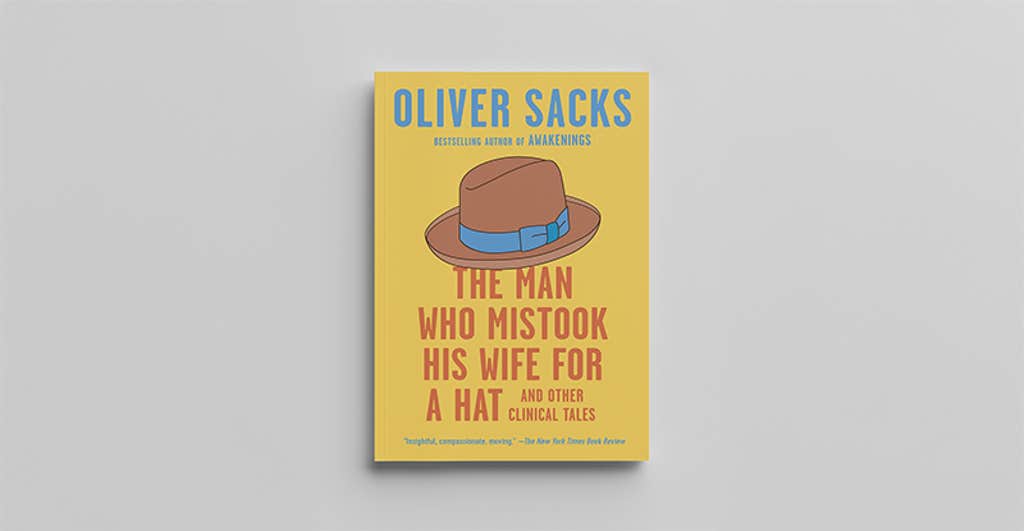
The brain was an organ in our heads that only specialists understood until the British bags of neurologists appeared in the 1980s to fascinate us all with stories of cases of its patients with brain disorders such as visual agnosia and Tourette syndrome. The damaged parts of the brain and the strange behaviors they induced with enlightened neurology and led to a better understanding of the brain. The talent of Sacks to weave neurology in stories of people like a music teacher who cannot contextualize things well – a day when he reaches his hat to leave the Sacks office but grabs his wife’s head instead – is not part of such. By writing on brain disorders, the bags have widened our understanding of the human being.
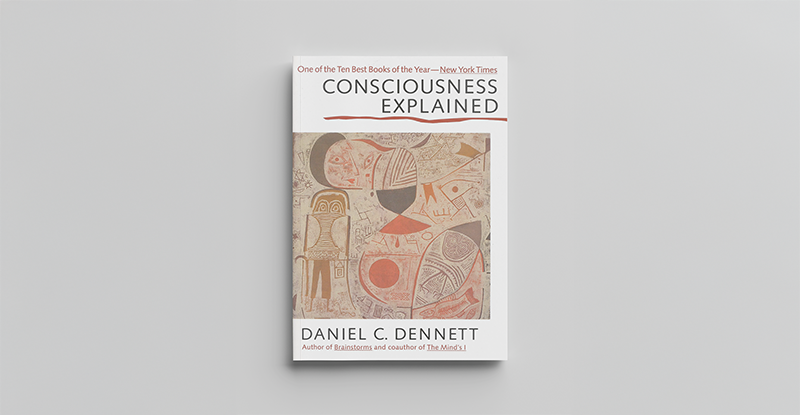
The book of the late philosopher of 1991 is the pole of debates on debates on conscience. Dennett did not buy this consciousness emerged from a mysterious theater of the Spirit. This consciousness was a “hard problem” or an essence of the universe. He maintained this consciousness, that the Qualia – the feeling of redness of the red – could be attributed to the material brain. Consciousness and all varieties of thought or mental activity “are accomplished in the brain by processes of parallel interpretation and development of sensory contributions,” he wrote. To date, the philosophers of the mind must count with Dennett and his illustrious work.
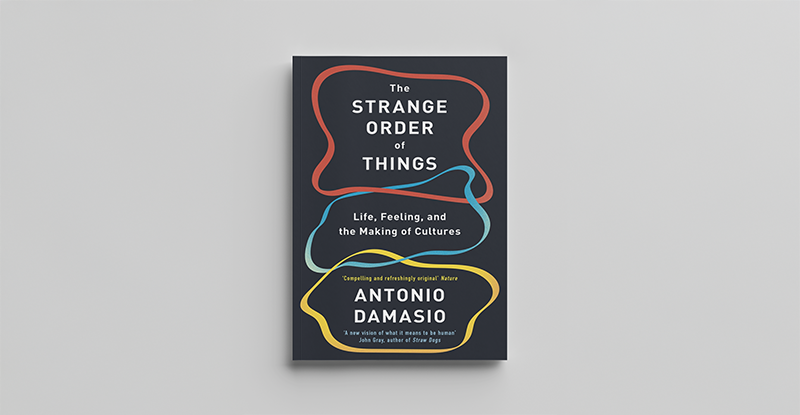
The eminent neuroscientific of the University of Southern California explains that the brain is not the director of the film of our lives but is influenced by the actors of the body itself. The biological interaction, in which the body strives to maintain a healthy homeostasis, gives birth to feelings which are the real heroes of our prosperity as a species. Descartes was wrong. His famous saying should be, I feelSo I am. “The feelings were not granted the credit they deserve,” writes Damasio. These are feelings that have given birth to science, medicine, religion and art.
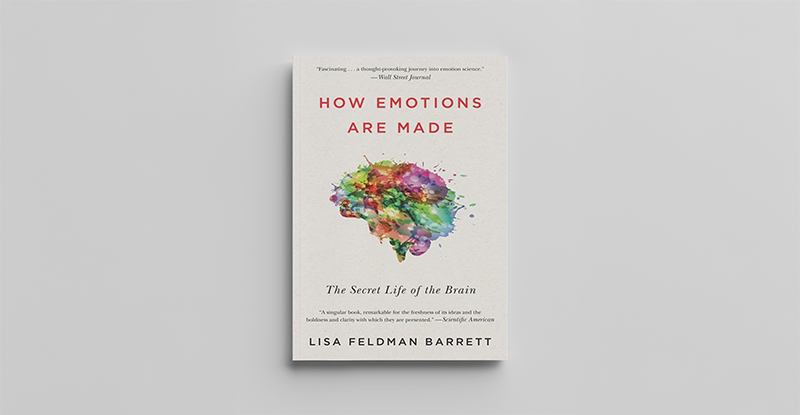
Neuroscientist Barrett shows that emotions are not an innate circuit in our brain triggered by experiences. These are rather concepts than our individual fashion brain, with memory threads, to give meaning to current situations. “From the sensory contribution and past experience, your brain builds the meaning and prescribes action,” writes Barrett. “With concepts, your brain has a sense of sensation, and sometimes this meaning is emotion.” For the other side of the argument, that emotions are universally innate, read the just as convincing Fear By Dacher Keltner, professor of psychology at the University of California in Berkeley.
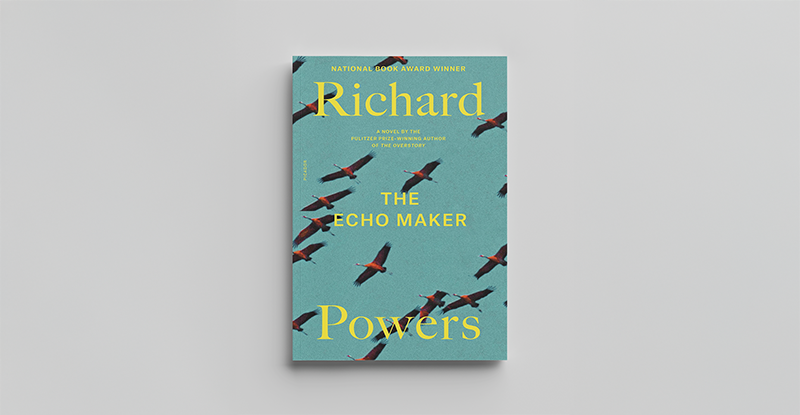
Powers won the National Book Award 2006 for this novel which explores Capgras syndrome, a rare form of brain lesions which reduces the perception of emotional connection. The main character of the novel survives a car accident but does not recognize his sister who takes care of him with love. He treats her like a nice stranger. The echo manufacturerNamed from an Amerindian term for sandhill cranes, is reduced as a metaphor for what is happening when our deepest feelings for others and our environment breaks from our supposedly rational minds. The powers have amplified this theme in its extremely popular novel, The overchance.
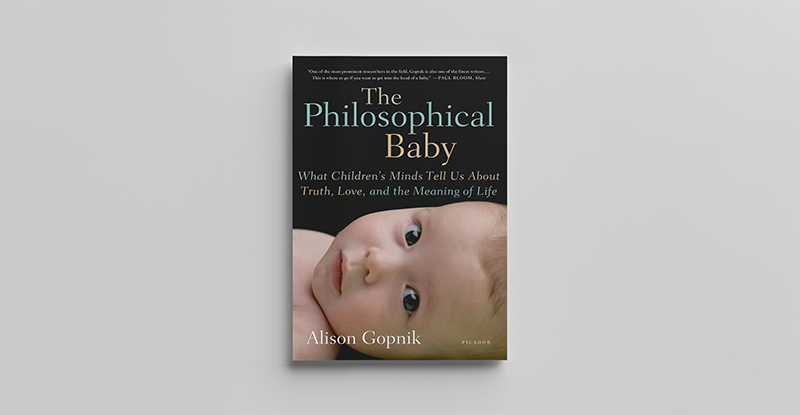
Writing lives alone by the University of California in Berkeley, professor of psychology, distinguishes its revolutionary appreciation of the brain for children and how it experiences the more colorful world than adult gray matter. Children and adults, writes Gopnik: “are different forms of Homo sapiens. “Children have” spirits, brains and forms of consciousness just as complex and powerful, designed to fulfill different evolutionary functions “. As? Adults are production and marketing. They make the discoveries, implementing them.”
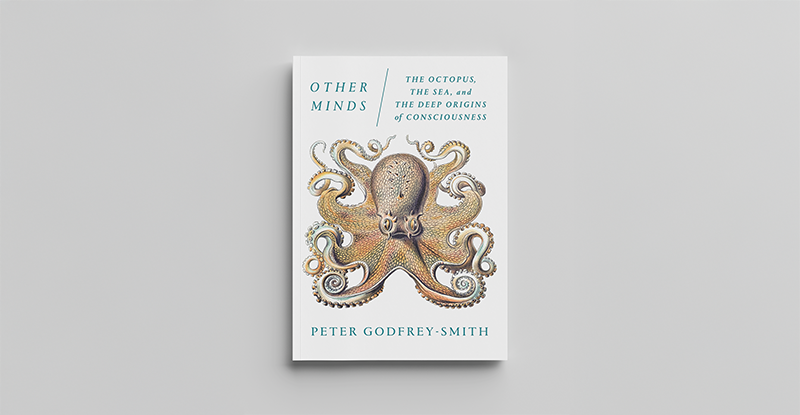
Other minds is incredible because Godfrey-Smith convinces us that cephalopods and octopus have active minds, subjective experiences and their own conscience. The octopuses are exploratory and curious, who are still looking for novelty, Godfrey-Smith tells us. “These characteristics recall what Stanislas Dehaene is associated with consciousness in human mental life.” (Book of the Cognitive Scientist Dehaene Consciousness and brain Could also appear on this list.) The invertebrate octopus has developed along a scalable path entirely with the exception of vertebrate primates, Godfrey-Smith informs us, and it is therefore “probably the closest that we will happen to meet an intelligent extraterrestrial”.
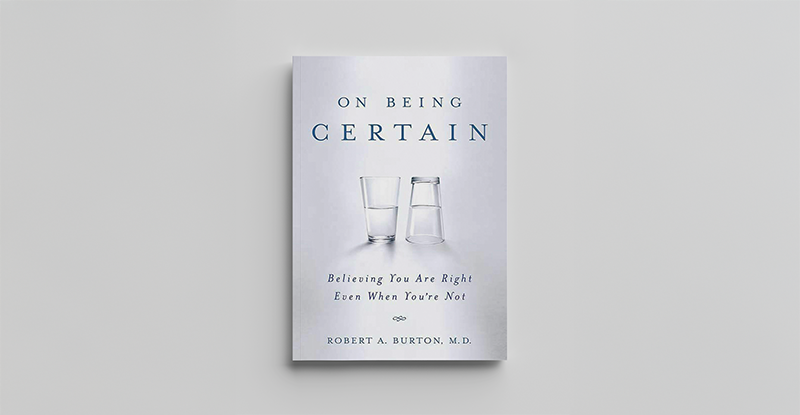
The neurologist Burton probe the question: what does that mean being convinced? His answer: “Despite how certainty feels, it is neither a conscious choice nor even a process of reflection.” It follows “involuntary brain mechanisms which, like love or anger, operate independently of reason”. This “feeling of knowledge” guides both the wonders and the follies of humanity. To be sure is alive with stories of science and art, politics and law, to reveal that if there is one thing that we can be certain, it is that certainty is a story written by our brain – an awareness that Burton writes could lead to a more humble and wiser world.
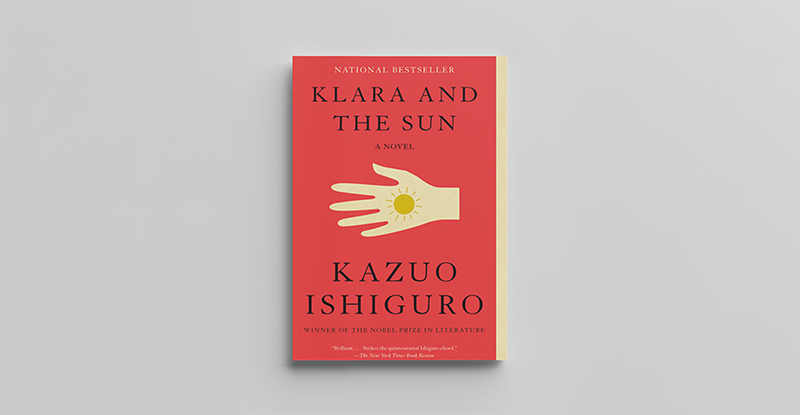
What is so extraordinary in the eighth novel by Nobel Laureat is the voice of his narrator, Klara, an artificial friend, a humanoid robot. Klara’s observations on people and the environment, in particular the sun, which the solar energy klara calls “him”, are innocent and not affected; You feel that Klara learns, becoming more conscious, although you never forget a klara machine. Anil Seth, professor of cognitive and computer neuroscience, who has surveyed the nature of consciousness in his book, Be youcalls Klara and the sun An “emotionally devastating fictitious account of what IA consciousness could be, if it were aware – and, even more, a reflection on the way we understand our own self and our own conscious minds”.
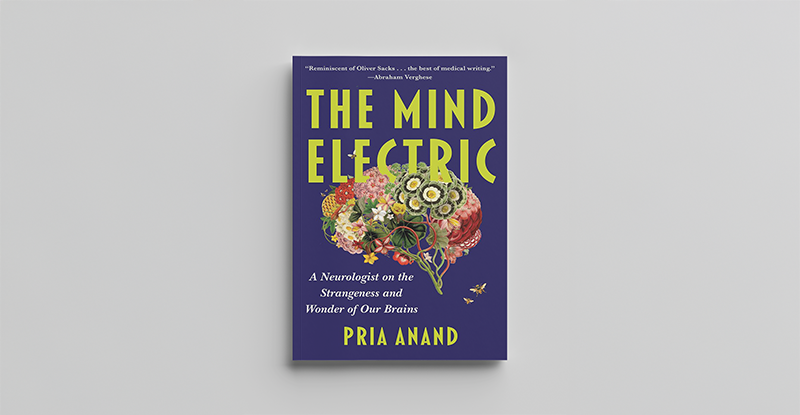
The electric mindPosted earlier this year, is a revelation. This is Anand’s first book, deputy professor of neurology at the Boston University School of Medicine and neurologist at the Boston Medical Center. She weaves her experiments with patients with a strange and horrible brain fans – “the student has lost his vision so gradually, so insidiously, that it was only a few days after the start of the symptoms, she realized that she had been struck blindly” – with her own family history, fables, medical history and literature. Anand writes: “The human desire for the story, the impulse of telling and hearing stories, is both universal and inexorable, coded in our brain so deeply through several networks that it often survives and even on the most devastating of cerebral lesions.” This transcendence crosses The electric mind.
Lead image: Solarisys / Shutterstock


