A Peace Prize for Trump the Militarist?


November 25, 2025
Although he has been more reluctant than some presidents to put U.S. troops in harm’s way, Trump has rejected controls on his use of military force, saying, “We’re just going to kill people.”
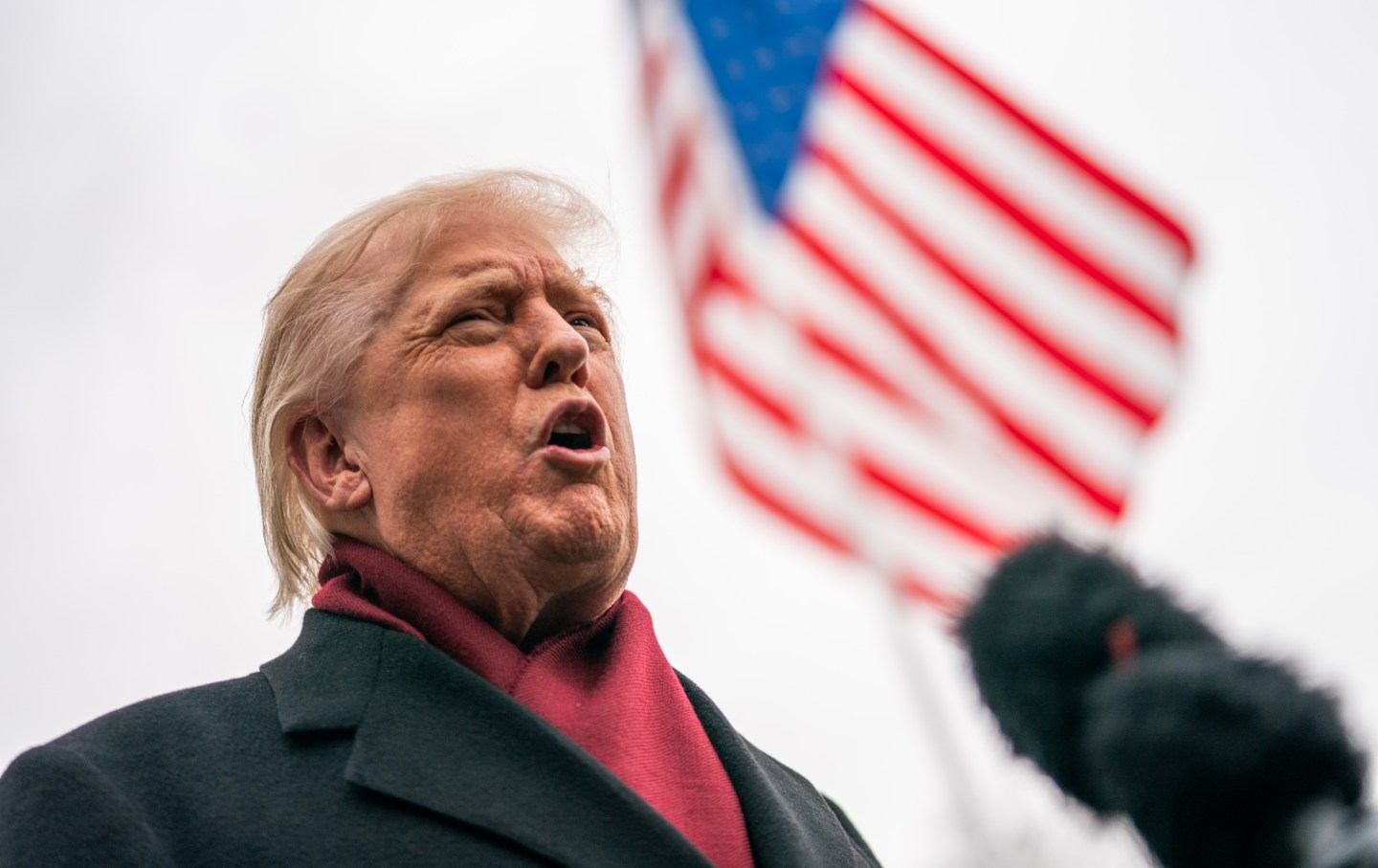
As U.S. forces continue to engage in illegal attacks on shipping in the Caribbean and with the growing threat of direct U.S. military intervention in Venezuela, you may be wondering, “What happened to Trump’s promises to avoid foreign military entanglements?”
In reality, Trump was never the anti-interventionist he claimed to be.
When he ran for president in 2016, Trump won support from undecided voters, perhaps in numbers enough to win the electoral college, by claiming he opposed the disastrous 2003 invasion of Iraq and the 2011 intervention in Libya backed by his opponent, portraying Hillary Clinton as a reckless militarist who would pursue “forever wars.”
Trump actually supported both military operations.
Although Trump has been more reluctant than some politicians to put U.S. troops at risk, he has been a very militaristic president. He supported dramatic increases to the Pentagon’s already bloated budget. He has shown little interest in real diplomacy of any kind, instead using threats and bluster and rejecting human rights and international law in favor of a purely transactional approach to foreign relations.
He appointed Marco Rubio, one of the most hawkish members of the US Senate, as both secretary of state and national security adviser, the only person other than Henry Kissinger to hold both offices simultaneously.
Current number

In the first ten months of his second term, Trump ordered hundreds of airstrikes against countries in the Greater Middle East, surpassing the number seen during Biden’s entire presidency or his entire first term. The majority of these events took place in Houthi-controlled areas of Yemen, resulting in the deaths of more than 200 civilians. In Somalia, where small numbers of U.S. combat forces remain, he has doubled the pace of airstrikes against Al-Shabaab, also leading to increased civilian casualties.
Trump’s preference for war over diplomacy is most clearly illustrated in the case of Iran. The nuclear facilities at Fordo, Natanz and Isfahan have had their operations severely restricted and placed under close surveillance due to the 2015 Joint Comprehensive Plan of Action, commonly known as the Iran Nuclear Deal, eliminating any means of producing a nuclear weapon. However, Trump broke the deal and reimposed draconian sanctions, leading Iran to resume large-scale operations. In June, citing the supposed threat posed by these three facilities, he ordered their bombing, the first direct US strike against that country since the tanker war of the 1980s.
In Iraq and Syria, Trump continued to deploy several thousand troops and repeatedly bombed suspected ISIS positions as well as Iran-allied Shiite militias, both operations a direct consequence of the US invasion, occupation and counter-insurgency war in Iraq.
Given the failure of Democratic leaders to act more decisively to challenge Trump’s abuses of power domestically, it might be a stretch to expect them to do so on foreign policy, especially in light of the long-standing deferential treatment that presidents of both parties have received regarding military intervention. Indeed, Trump during his first term, along with Bush, Obama, and Biden, all managed to bomb multiple countries without congressional approval. This allowed Trump to reject any control over his use of military force, saying, “We’re just going to kill people.”
These presidents defended their conduct of the war in the Middle East by arguing that Congress had authorized the use of force in 2001 and 2002. However, the resolution passed immediately after 9/11 targeted those who “planned, authorized, committed, or assisted the terrorist attacks of September 11, 2001, or harbored such organizations or individuals,” and the authorization the following year specifically targeted Saddam Hussein’s Iraqi regime. Subsequent military interventions therefore violated the War Powers Resolution of 1973 and even the Constitution itself, but—with a few notable exceptions—congressional leaders from both parties did little to hold the executive branch accountable.
By far the biggest outcry in Congress over Trump’s war was the March missile attack in the Yemeni capital of Sanaa, targeting a suspected Houthi official in charge of the country’s missile program. However, the outcry is because a reporter was accidentally included in a Signal chat group among U.S. security officials about the attack, not because it involved the destruction of an entire building with civilians inside, or because the airstrikes, like others on this country, were not authorized by Congress.
Because these U.S. airstrikes mostly do not endanger U.S. forces and have been limited in scope, they have rarely caused much noise outside the targeted countries. Such a war should be vigorously debated, however, as the United States has bombed countries in the Greater Middle East for most of the past 35 years and has done little to ensure security in the region – instead, it has provoked a backlash that has emboldened extremist elements.
Perhaps most importantly, it seriously undermined the separation of powers enshrined in the Constitution, thereby reinforcing an imperial presidency. If Trump can circumvent constitutional limitations and U.S. laws abroad, it will only embolden him to do the same here in the United States.
Popular
“Swipe left below to see more authors”Swipe →
More than The nation

From prison, the prominent critic of Putin and the war calls for an end to the conflict.
Boris Kagarlitsky
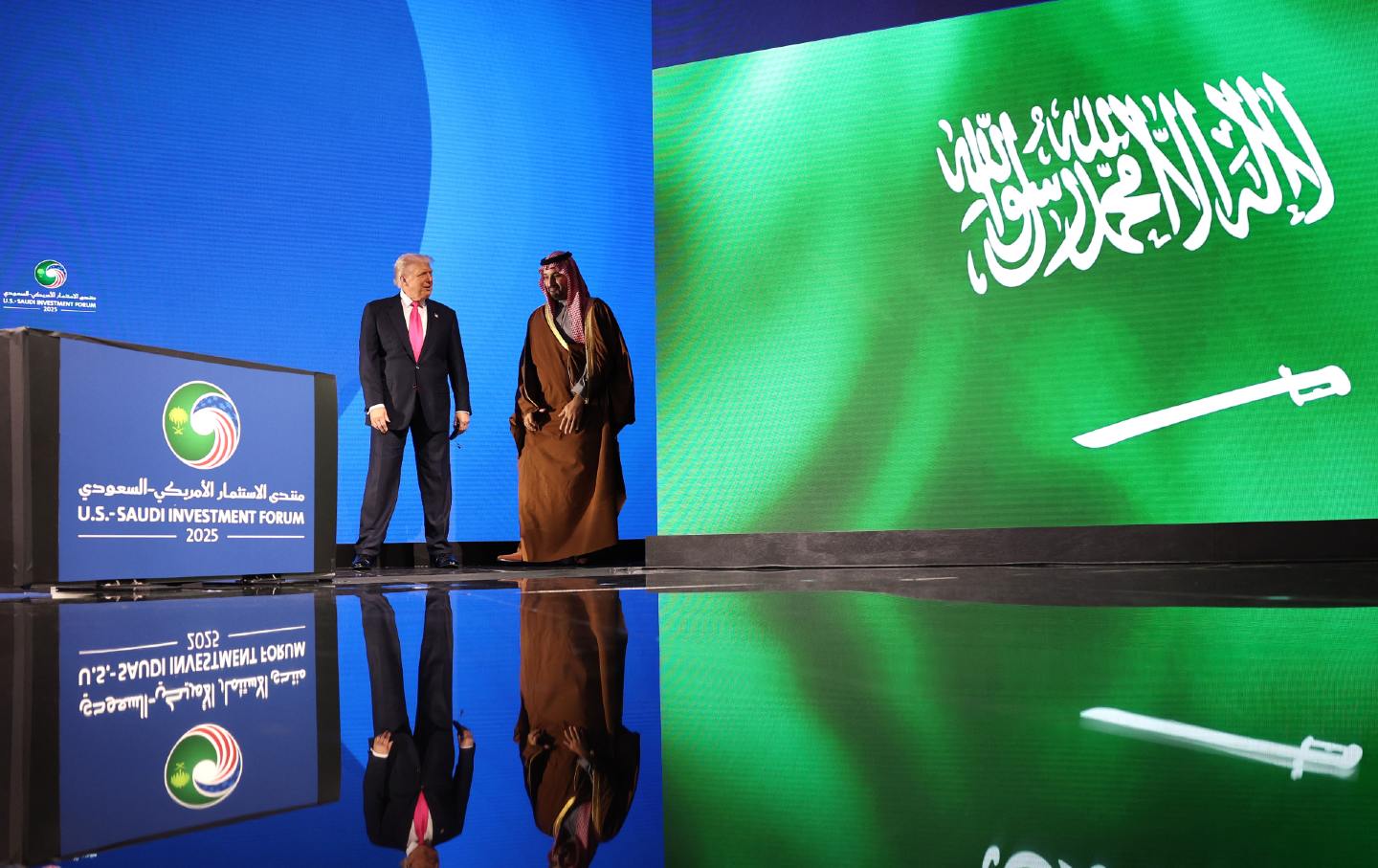
We should not let a few trade deals, no matter how lucrative, tie America to a regime that is more likely to drag it into renewed conflict in the Middle East.
William D. Hartung
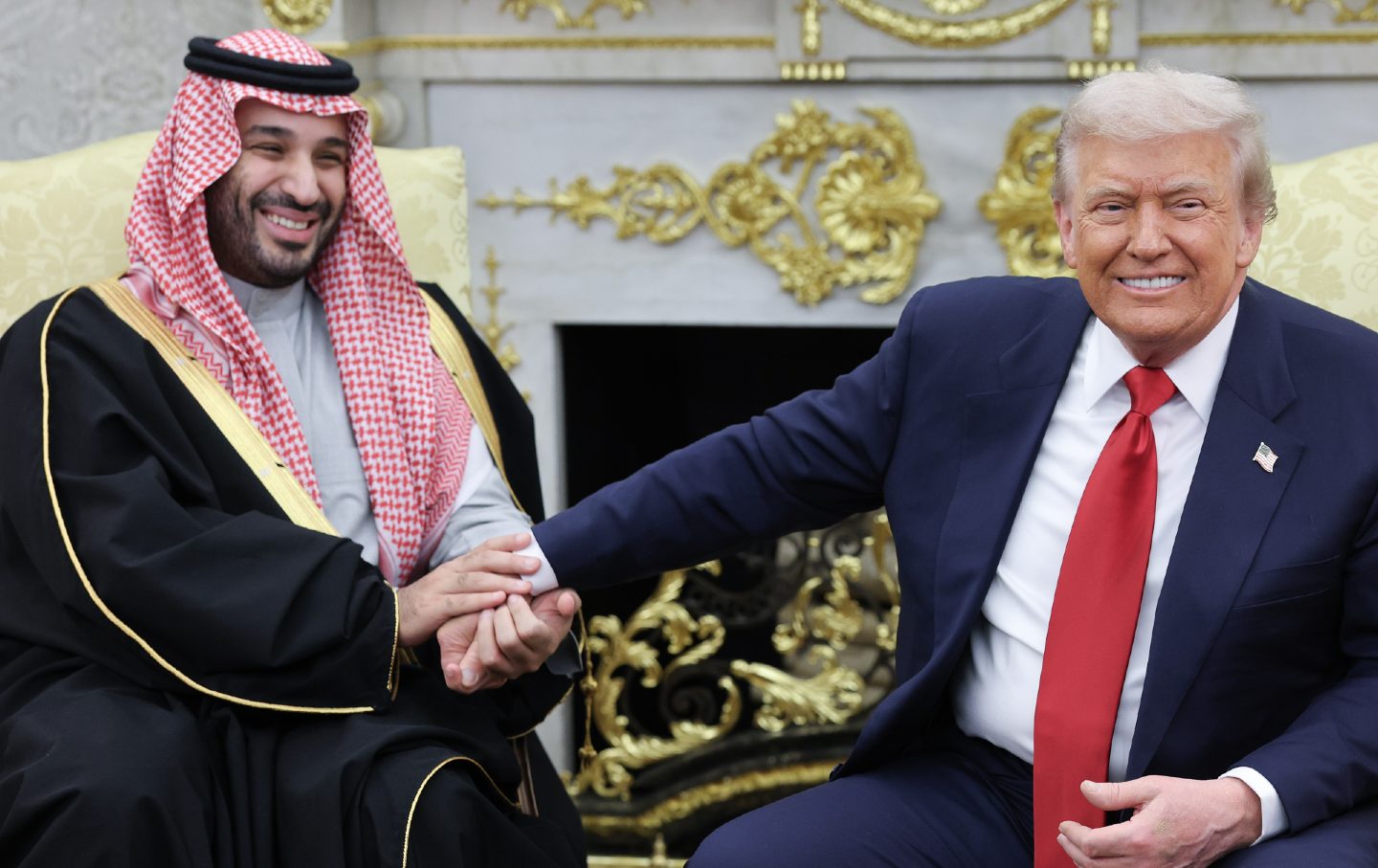
Trump was incandescent with anger that reporters would have the temerity to question his wealthy, bottomless “guest.”
Sasha Abramski
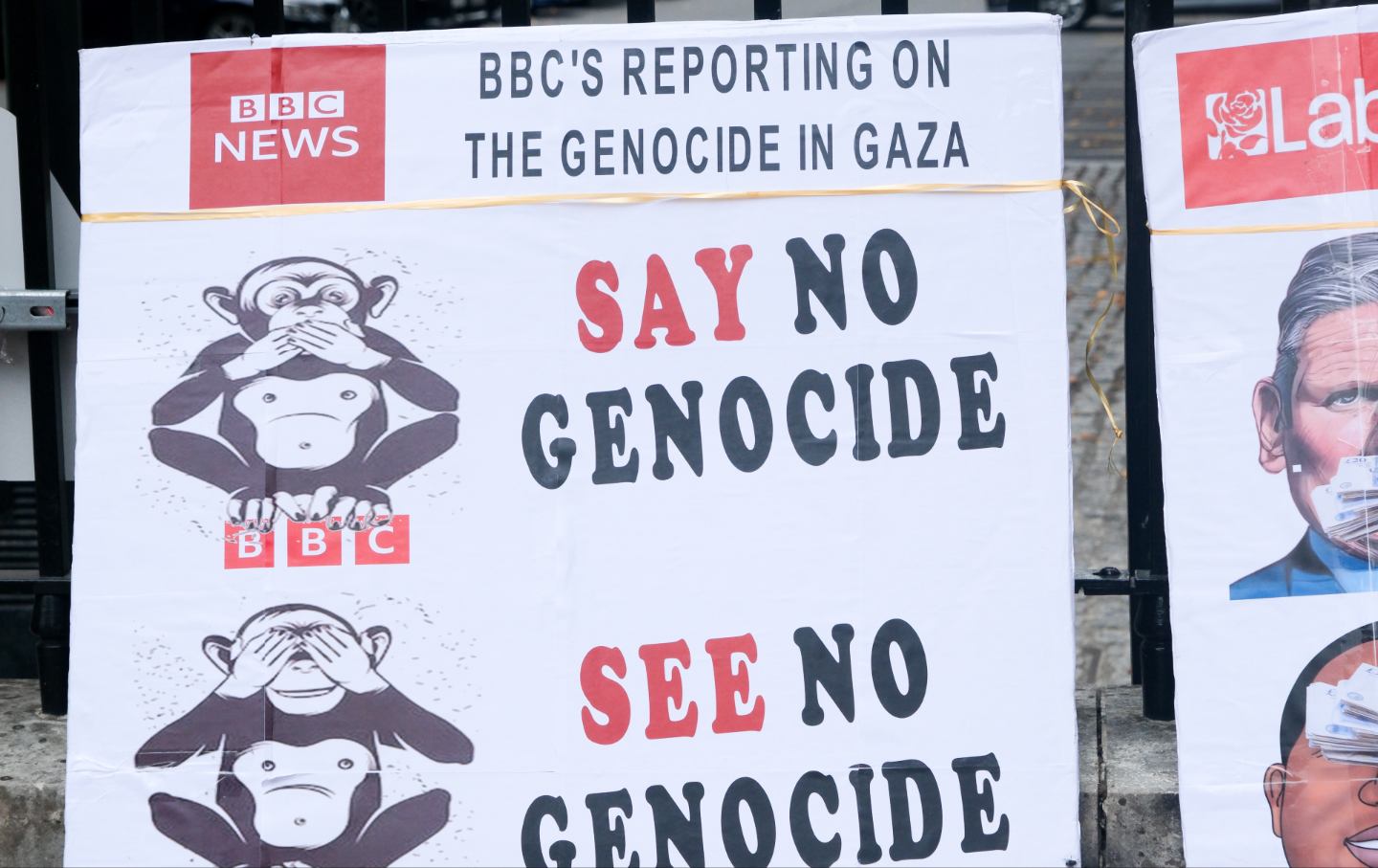
An interview with British journalist Peter Oborne.
Evan Robins

“The administration doesn’t want me. Personally, I don’t feel safe [in the United States]. I know I’m not the only person who feels this way.
Functionality
/
Rebecca Sager

Americans who recently moved to San Miguel de Allende are a new type of “expat,” a word they refuse to call themselves.
Rebecca Sager


