A shopper’s guide for prescription drugs : NPR


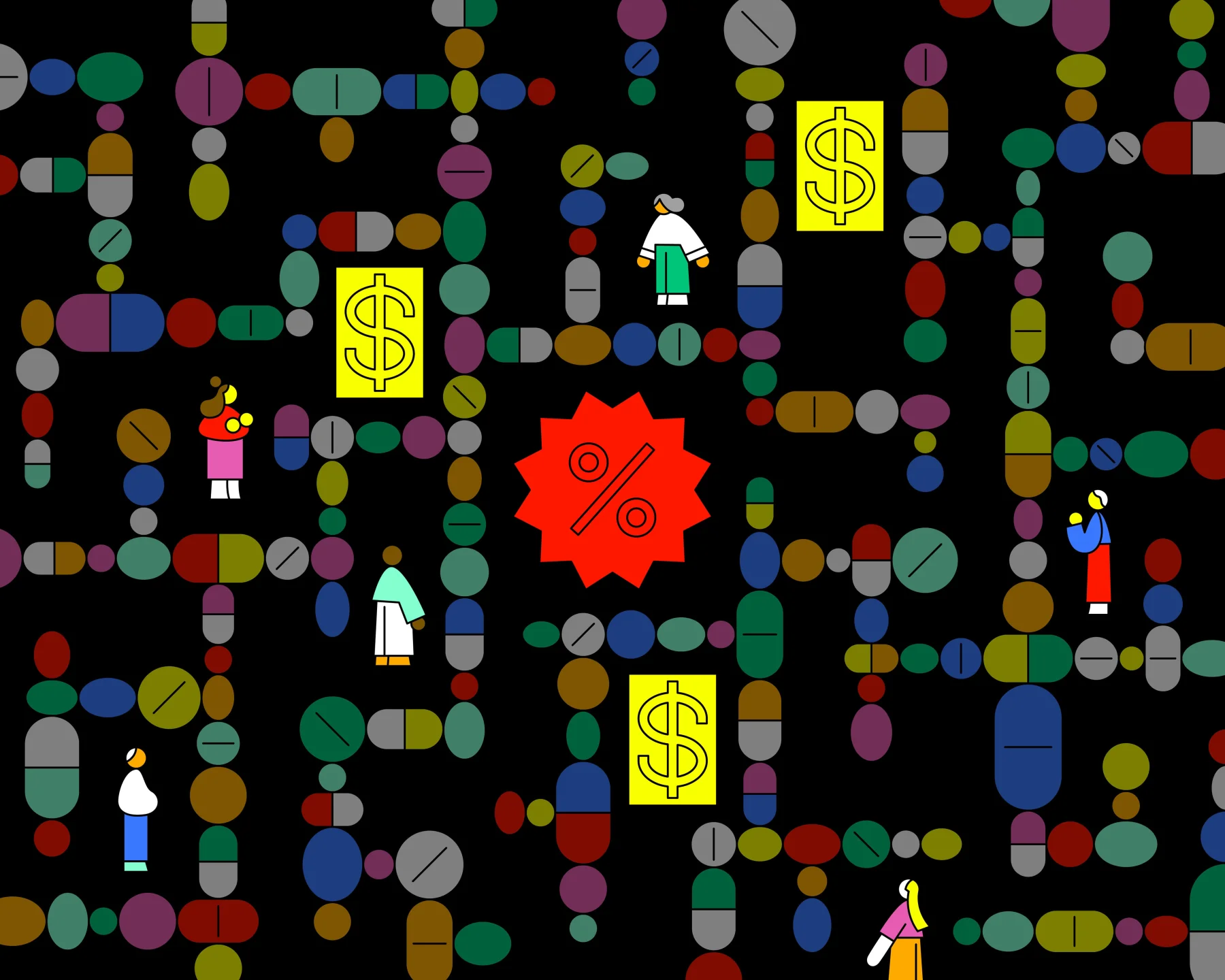
When TrumpRx launched in February, it joined a chorus of websites claiming to offer deals on prescription drugs.

Despite the hype, many of the medications offered on TrumpRx include brand-name drugs that patients can find cheaper elsewhere – in generic form.
For example, Protonix for heartburn and gastroesophageal reflux disease is available for $200 on TrumpRx. But the generic version, called pantoprazole, costs less than $30 with a coupon from GoodRx, another drug discount website. And depending on the health plan, using insurance could mean a $5 or $0 co-pay.
So with sites like TrumpRx, GoodRx, Mark Cuban’s Cost Plus Drugs, and a dizzying list of patient assistance, co-pay cards, and even cash options offered by the drug companies themselves, what can you do to make sure you get the best deal on your prescription?
Well, there are no shortcuts, and it’s going to take some work to figure it out.
“I’m not sure all options make things better,” says Ben Rome, an internist and drug policy researcher at Brigham and Women’s Hospital in Boston. “In some cases it is, and in other cases it can just make things more confusing if you’re a patient or a doctor trying to figure out where to go to buy your medications.”
“There’s no one-stop shop,” he says.
Start by talking to your doctor and asking about the least expensive options. But because insurance plans vary and the discount landscape is constantly changing, neither of you may know your share of the drug cost until you go to pay at the pharmacy counter, Rome says.
Here are some steps you can take to navigate the growing world of drug discounts.
Ask about a generic
When your doctor writes a prescription, it’s not a bad idea to ask if the medication is available in a generic version. But don’t worry if you forget. You can also ask your pharmacist about generics.
Generic medications are copies of brand-name versions that are often less expensive while still being available at your regular pharmacy. For example, the generic name for the blockbuster cholesterol drug Lipitor is atorvastatin.
According to the Association of Accessible Medicines, a generics trade group, 90% of prescriptions filled in 2024 were generics, but they accounted for only 12% of all drug spending. Translation: They are much cheaper.
“Most generics – not 100%, but most generics – are relatively affordable, relatively inexpensive,” says Douglas Hoey of the National Community Pharmacists Association. “Low cost and affordability can vary from person to person, but generally they will cost less than $30, $40, and sometimes even less than $10.”

However, not all brands offer generic versions. This is because they are only allowed on the market after a brand name drug’s patents and other government-granted protections expire. Then, generic versions of the drugs go through a Food and Drug Administration approval process and ultimately onto pharmacy shelves.
You can find out the generic status of a drug by asking your pharmacist, asking your doctor, or checking your insurance company’s app if it has one, says Lou Zollo, a former pharmacist who is now vice president and national pharmacy practice leader at consulting firm Segal. You can also search online – try a pharmacy or drugstore chain’s website.
What if there is no credits?
There may be another drug in the same category. Take, for example, Eliquis and Xarelto, two similarly branded blood thinners. They are not the same, but sometimes your doctor will be comfortable with you taking one or the other. And one may be cheaper than the other, depending on your insurance.
“I don’t think you, the average consumer, will have the information to know if there is a less expensive therapeutic equivalent,” says Zollo, explaining that you can ask your pharmacist about the substitution.
And sometimes the alternative medicine even has a generic. It can’t hurt to ask. Again, it’s always good to ask early because your doctor writes the prescription. But if you forget, your pharmacist can help you.
“Your pharmacist is the medication expert,” says Hoey. “We have at least six years of college education on medications. So that’s your best bet.”
But it’s a little trickier to switch to another medication once you’re at the pharmacy, because you’ll need a new prescription, Zollo says: “Now it’s up to the prescriber to say, ‘Hey, can I try this instead?’ “
OK, so you definitely need a brand name drug…now what?
While there are many ways to get out of your insurance and get a discount, you should consult your doctor and let them know that the price is an issue if you haven’t already.
“As a primary care physician, I want to know if my patient is having trouble affording medications,” Rome says, adding that patients often wrongly assume their doctors already know this.
Often, they can help you develop a plan. For example, your doctor may be able to appeal an insurance company’s decision or obtain prior authorization if your insurer requires one for the medication recommended by the doctor.
If it’s not covered or your co-pay is too high
Now that you’ve exhausted other options, you’ll want to check drug manufacturer discounts. You have several options.
You can start by visiting the Drug Search tool maintained by Pharmaceutical Research and Manufacturers of America, the trade group for the brand-name drug industry. It can compile a list of branded savings options available from the pharmaceutical companies themselves.
These include patient assistance programs for the uninsured or underinsured, as well as copay cards, which help offset patient costs at the pharmacy counter. Drug companies sometimes offer discounts to customers who don’t use their insurance and pay with cash.
But Rome issued a caveat: “It is at the discretion of the manufacturer and manufacturers can discontinue or change these programs at any time. So just because you have access to the coupon program this year does not mean the program will continue next year.”
Depending on the company’s program, you may be required to provide documentation to qualify. And people with Medicare or Medicaid aren’t eligible for some of them.
And all these discount sites?
Before paying cash and going out on your health insurance, you should check coupon or discount sites to see if they offer a lower price, Rome says. Never pay more than the cash price on a discount site unless you know you’ll meet your deductible and that it will save you money later in the year.
The largest are GoodRx, Cost Plus Drugs, Amazon Pharmacy, Costco and Walmart. But according to Rome, which has done studies of these sites, there is no easy answer to which one will have the best price on a given day. You will have to search and compare.
“Prices vary a lot and can change over time, so you don’t know where to go first,” says Rome. “What is the cheapest option for you for this drug right now? TrumpRx is in the mix. Will it be the cheapest option? Maybe in some cases, yes. Maybe in other cases, no.”
He acknowledges that it takes time and encourages patients to keep their doctors informed.
For what it’s worth, Hoey of the National Community Pharmacists Association says your local pharmacist probably prefers Cost Plus Drugs coupons. The price includes an administration fee and Cost Plus Drugs does not recover the money from the pharmacy, forcing the pharmacy to dispense the drug at a loss.
“It has become more complicated simply because there are more choices and more options,” says Zollo, a consultant at Segal. “And I’m not sure, from a consumer perspective, that more is necessarily better.”
Do you want to share your Have you ever experienced drug discounts with NPR? Email slupkin@npr.org.


:max_bytes(150000):strip_icc()/Health-GettyImages-2154006182-a868e8561ce54cbbb6ba6a5106a651e3.jpg?w=390&resize=390,220&ssl=1 "5 Everyday Foods That Could Be Raising Your Blood Pressure")