Ads funded by AI industry are flooding the 2026 election. They’re about everything except AI.


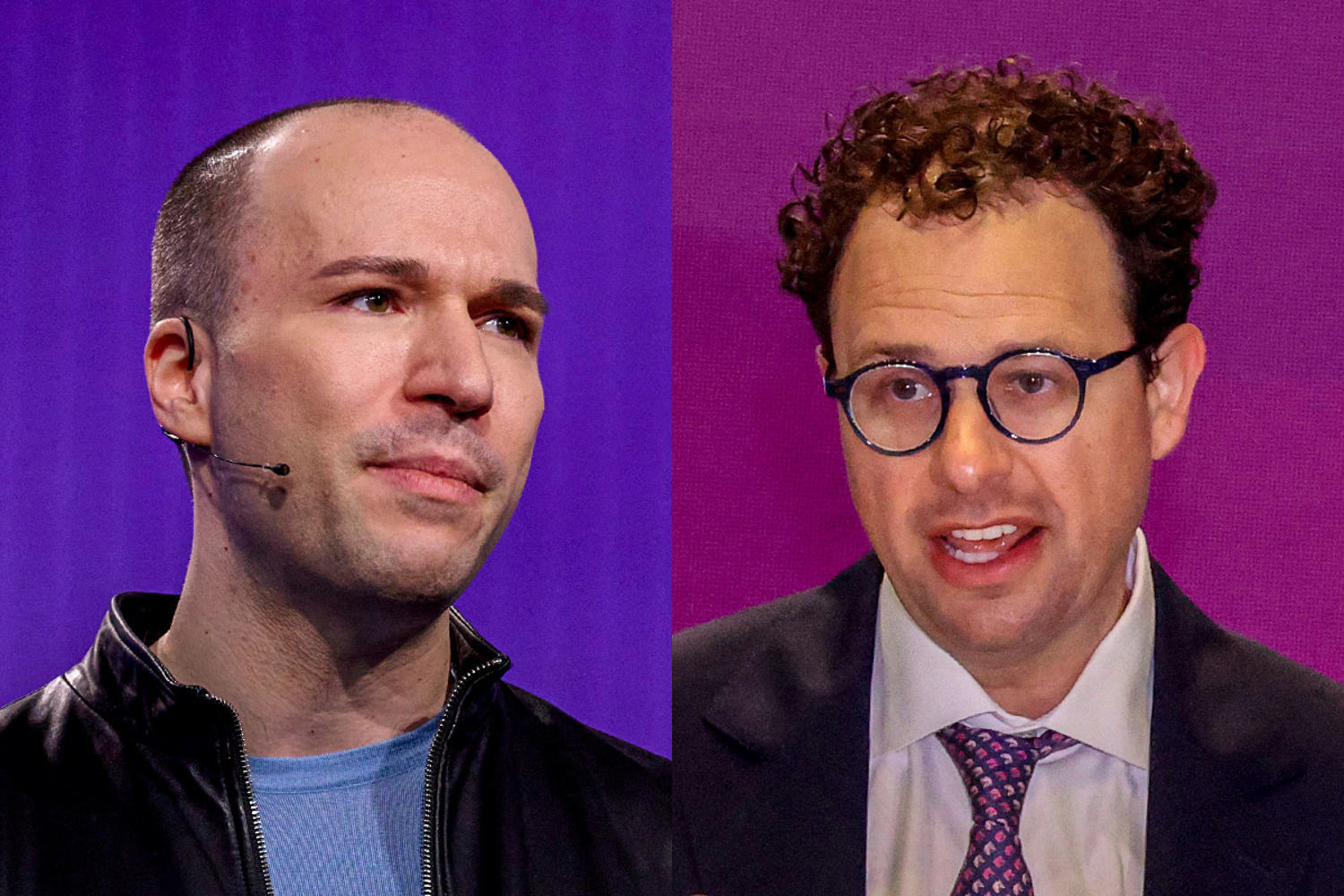
Competing super PACs backed by the AI industry are already investing money for the 2026 midterm elections, starting with the year’s first primaries in Texas and North Carolina.
So far, there’s just one thing missing from their ads: any reference to artificial intelligence.
The groups seek to shape how AI models and companies are regulated nationally, a debate that big AI players see as existential to the future of the industry, the United States and the world. But instead of the real political reason they’re taking sides in these primaries, groups are turning to red meat or progressive messages on other hot-button issues.
This is a tactic also used by groups in other areas. But early AI-backed spending on ads about Immigration and Customs Enforcement, President Donald Trump, health care and more is particularly notable because of the dramatic scale of the change the AI titans expect their product to bring to America’s workforce and society.
The forces behind super PACs also fund large nonprofits that could spend big to shift public opinion on AI in the future. But for now, their main problem is not in their major political campaigns.
Two rival umbrella organizations have dominated AI spending in congressional races so far. Leading the Future — which has received significant funding from OpenAI co-founder Greg Brockman and his wife, Anna Brockman, as well as venture capitalists Marc Andreessen and Benjamin Horowitz — is a leading super PAC advocating for a national framework for AI and criticizing the prospect of different state regulations governing the industry.
Leading the Future had $39 million in reserve at the end of last year and is entering the races through two connected groups, one associated with each party: Think Big, which supports Democrats, and American Mission, which supports Republicans.
Public First, another super PAC, seeks to counter Leading the Future and its network. The group received at least $20 million from AI company Anthropic and called for greater regulation of AI. It also has two affiliated super PACs: the Jobs and Democracy PAC which supports Democrats and the Defending Our Values PAC which supports Republicans.
Brad Carson, the former congressman and Department of Defense official who helps lead Public First, told NBC News in a statement that while the public recognizes the importance of the issue, “we know that AI is not the first thing on every voter’s mind when they go to the polls.”
“They worry about the cost of living, about corruption, about whether the economy works for ordinary people or just for tech billionaires. We think those concerns are inseparable from AI,” added Carson, who served two terms in the House as a Democrat from Oklahoma. “We support candidates who understand what’s coming and will fight for working families as these technologies roll out. AI is a problem right now, and you want leaders in place who have thought about the impact it’s going to have.”
Part of New York City became the first major battleground between the two sides. The Democratic House primary to succeed retiring Rep. Jerry Nadler is extremely crowded, but AI groups are focused on a single candidate: state Legislator Alex Bores, a supporter of regulating AI safety in New York and a former data scientist at Palantir Technologies who says he left his job because of frustration with the company’s work with Immigration and Customs Enforcement.
Think Big, one of Leading the Future’s affiliates, spent more than $1.5 million attacking Bores, including hammering him for Palantir’s work for ICE — even though Palantir co-founder Joe Lonsdale supported the group and Bores said he left the company because of his opposition to that work.
“It’s black and white: Alex Bores’ tech company works for ICE,” a narrator says in a new Think Big digital ad for the race.
Public First affiliate Jobs and Democracy PAC has called the attacks cynical and profit-driven in its own ads.
“Right-wing billionaires think they can buy this congressional seat, the same ones who fund hate, fund lies, and support ICE raids on our community. Their target: Congressman Alex Bores, because he’s the only one who stood up to them before,” the narrator said in a recent Jobs and Democracy PAC ad.
Think Big is also spending more than $1 million each to support two former Illinois congressmen, Jesse Jackson Jr. and Melissa Bean, in their comeback campaigns. Ads in both races tout Jackson and Bean’s accomplishments in Congress, including voting for the Affordable Care Act — long before the AI debate entered the halls of Congress. Both Illinois Democrats are abandoning competitive primaries for open, deep blue Chicagoland seats where the March primary will serve as a de facto general election.
Then there’s Rep. Valerie Foushee’s re-election bid in North Carolina’s Research Triangle, where Durham County Commissioner Nida Allam is attacking the incumbent from her left. Foushee is a member of the bipartisan House Task Force on Artificial Intelligence, and a major AI-related fight is brewing in the district over a new data center.
The incumbent has called for regulations around data centers to mitigate any energy or environmental impacts in the past, and she addressed the data center debate in a social media video this week, saying that while she doesn’t personally support the new data center, she trusts local officials to “do the right thing.” Allam blasted the proposal, calling for a moratorium on data centers and attacking Foushee because an AI-related group is spending on his behalf.
Indeed, Public First is the only major AI group spending in this district, seeking to boost Foushee with more than $1.6 million invested in the race in its final weeks.
But while the debate over data centers plays out in local politics, it is absent from the pro-Foushee ad, which instead presents the outgoing president as a progressive fighter on issues such as immigration raids and holding Trump accountable. The AI spending has drawn a small backlash from Justice Democrats, a progressive group supporting Allam, which this week released a new digital ad criticizing the outgoing president for receiving support from the AI industry.
Both camps are also bolstering their favored candidates in other, less important races.
Lead the Future’s Republican group is spending $500,000 each on generic biographical ads promoting Republican candidates Laurie Buckhout in a swing district in North Carolina and Chris Gober — who was legal counsel to Elon Musk’s 2024 political group — in a safe, open Republican district in Texas.
The Public First network is also spending to encourage two Republicans who are heavy favorites to win their Texas primary elections without delving into AI in their ads: Army veteran Alex Mealer and Air Force veteran Carlos De La Cruz.
The decision to downplay the central issue that motivates these groups is not a new strategy. Groups with policy goals on Israel, cryptocurrency, the environment and more have long chosen to fight their policy battles using other issues more important to a primary or general electorate, separating the policy goals of winning elections from the policy goals they hope the winner will support in office.
Jesse Hunt, a spokesperson for Leading the Future, told NBC News that the group supports and evaluates candidates “who we believe are the most pro-AI innovation,” adding that it uses both a candidate questionnaire, as well as a review of public statements or relevant documents, to guide them. He added that the AI debate is “still in its infancy” and he expects it to evolve during this and future election cycles.
“The administration has made its position clear on this issue, but other members of Congress are beginning to articulate their positions, what they want from these companies, how it will benefit their constituents, their states, and how it will benefit the American economy,” he said.
Hunt said the public debate around AI policy “will see it mature over time as people become more informed”. He added: “Through this process, you’re going to see a bigger conversation about how this will likely improve the lives of many people. »


