New Hampshire country club shooting leaves 1 dead, multiple injured


NEWYou can now listen to Fox News articles!
A suspect is in detention after a shooting in a Country Club of the New Hampshire killed and several others injured on Saturday, the authorities announced.
The fatal shooting took place at the Sky Meadow Country Club in Nashua, New Hampshire, according to the Nashua police service.
The details surrounding the incident are limited, but the office of the prosecutor general of New Hampshire said that a man had entered the club and had fired several shots – hitting a man and killing him. Other people were also injured – some with ball injury, others not – but an exact number has not been given.
The shooter, who was not identified publicly, was detained on the scene and placed in police custody, said the GA office, adding that “there is no current threat to the public”.
1 dead, 4 injured after shooting in New York, said police
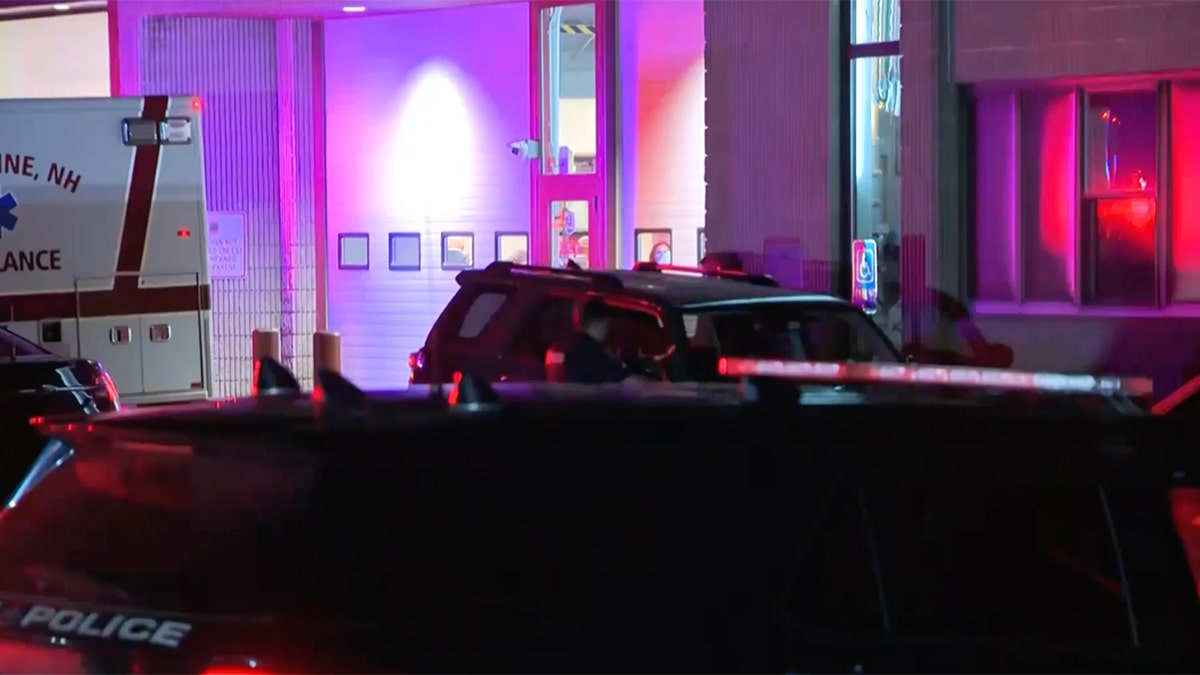
Police have a suspect in detention after a shooting in a country club in Nashua, New Hampshire, made a dead man and several others injured. (WBZ)
The authorities initially reported that two armed suspects had fled the premises and that if one was in detention, another remained generally. The GA office has since declared that these reports were “wrong” and that the only and only suspect is in detention.
“Additional information will be published as it will be available while protecting the integrity of the survey,” said the New Hampshire AG office.
The Sheraton Hotel, located on Tara Boulevard in Nashua, has been appointed as a unification site, the police announced. The authorities are asking the public to avoid the Prairie zone of the sky at the moment.
Sky Meadow Country Club is known for its golf, catering and event facilities, according to its website.
Five injured in shooting outside the city center of Cleveland Bar after a suspected altercation, the police said
In Dunstable Voisin, Massachusetts, – less than 10 miles from Nashua – officials issued a shelter order on site for residents of Thormiike Street, High Street and Hardy Street. This order has since been lifted.
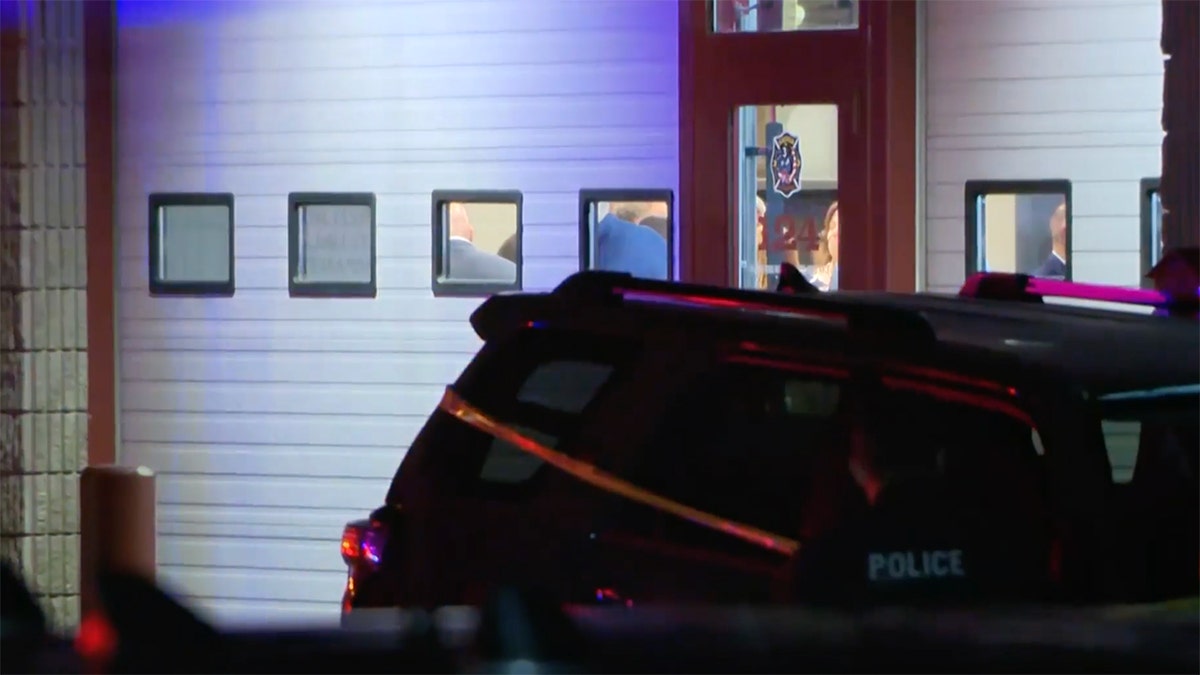
New Hampshire state police said they were helping Nashua police service in her investigation. (WBZ)
“My team and I closely monitor the reports of the horrible tragedy at the Sky Meadow Country Club this evening,” Senator Jeanne Shaheen, DN.H. “Billy and I pray for the wounded. There is no room in our state for this type of insane violence.”
The Democratic representative, Maggie Goodlander, posted on X: “I closely monitor the tragic relationships of a shooting this evening at the Sky Meadow Country Club in Nashua. My heart is with the victims, their families and the whole community of Nashua while we expect more information.”
New Hampshire state police said they were helping Nashua police inquiry.
Click here to obtain the Fox News app
The Nashua Police Service did not immediately respond to the request for comments from Fox News Digital. Nashua Fire Rescue refused to comment.